





10 questions on Ceuta migrant crisis: Why 50,000 crossed from Morocco into Spain, how 57 died

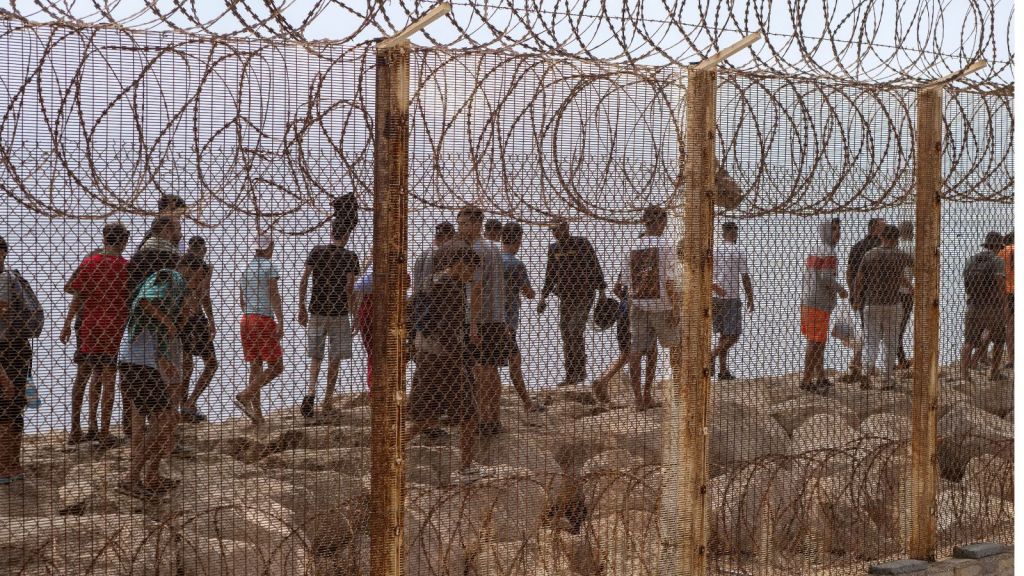
 People walk next to barbed wires after attempting to cross from the Moroccan northern town of Fnideq to the Spanish enclave of Ceuta. (Photo: AP)
More than 50,000 migrants crossed into Spain’s North African enclave of Ceuta from Morocco within a single day, leaving at least 57 people dead and plunging Madrid into a political crisis, The Guardian reported. The scale of the crossing has also drawn a divided response from the European Union.
Ceuta and Melilla remain the bloc’s only land borders with Africa, and both enclaves have a history of periodic surges, meaning this crisis is unlikely to be the last.
1. What exactly happened in Ceuta?
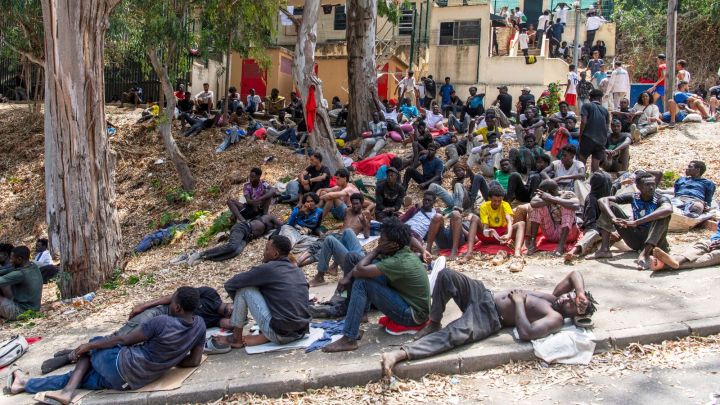
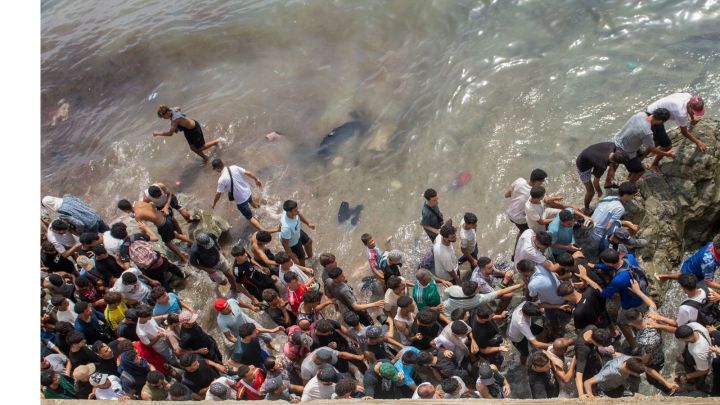
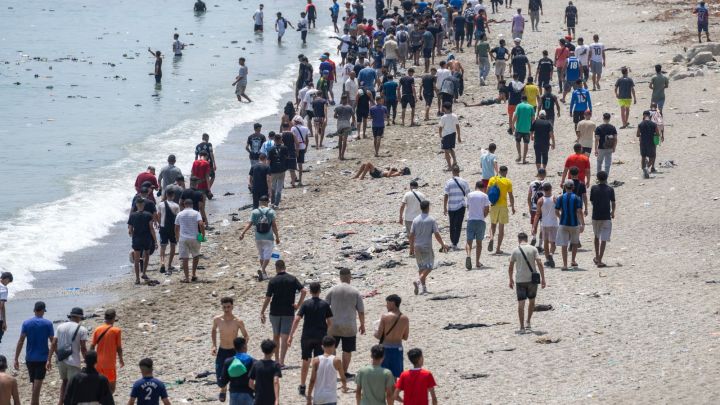
As many as 50,000 to 60,000 people entered the small Spanish territory of Ceuta from Morocco over a single day, overwhelming a city of just 85,000 residents. Spanish Prime Minister Pedro Sánchez called it a violation of the country’s territorial integrity.
2. How many people actually crossed?
- Spain’s government put the figure at around 50,000.
- Ceuta’s local president estimated closer to 60,000.
- By Friday evening, Spain’s interior ministry said more than 48,300 people had voluntarily returned to Morocco.
3. How many people died, and how?
At least 57 people lost their lives. Many drowned, while others died in a crush trying to cross the breakwater fence at Tarajal beach, according to a local Guardia Civil workers’ representative.
4. Why did this surge happen now?
Sánchez blamed human trafficking networks, saying they exploited a recent Spanish Supreme Court ruling. That ruling found Spain to be suspended from the Schengen free-travel zone.
Ireland, which holds the EU presidency, has called an emergency meeting of member states for Saturday to discuss the crisis, the numbers returning to Morocco, EU support for Spain, and diplomatic engagement with Rabat. A further meeting of EU ambassadors is set for Monday in Brussels.
8. What has Morocco said?
Moroccan government sources blamed the surge on criminal organisations and said cooperation with Spain remains strong. Morocco’s ambassador to Spain said the country has always prioritised safe and orderly migration, and suggested the situation unfolded against Rabat’s wishes.
Story continues below this ad
9. How does this compare to past crossings?
The scale far exceeds the last major incident, in May 2021, when Morocco eased border controls and allowed around 10,000 people to cross over two days. That episode followed a diplomatic dispute between Spain and Morocco over Western Sahara, which eased in 2022 after Madrid backed Morocco’s plan for the territory.
Sánchez visited Algeria in July, his first such visit in four years, signalling improving ties with Algiers, whose relationship with Madrid had been strained by the earlier Western Sahara dispute.
10. Where does this go from here?
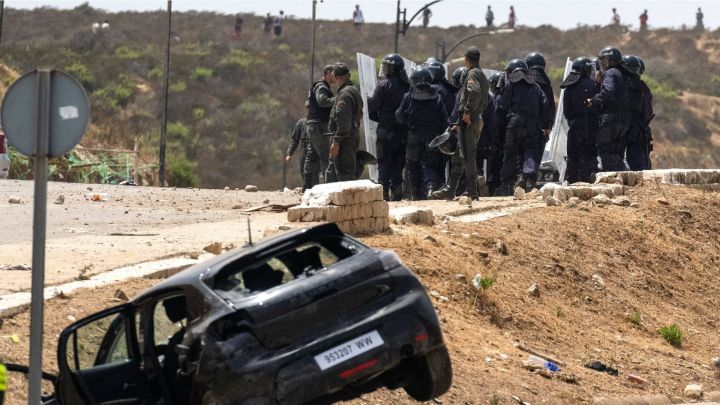
Spain is racing to process and, where possible, return people without legal grounds to stay, while EU officials meet this weekend to coordinate a wider response.
