






5.9 magnitude earthquake hits New Zealand, tsunami alert issued

3 min readUpdated: Jul 16, 2026 04:28 PM IST
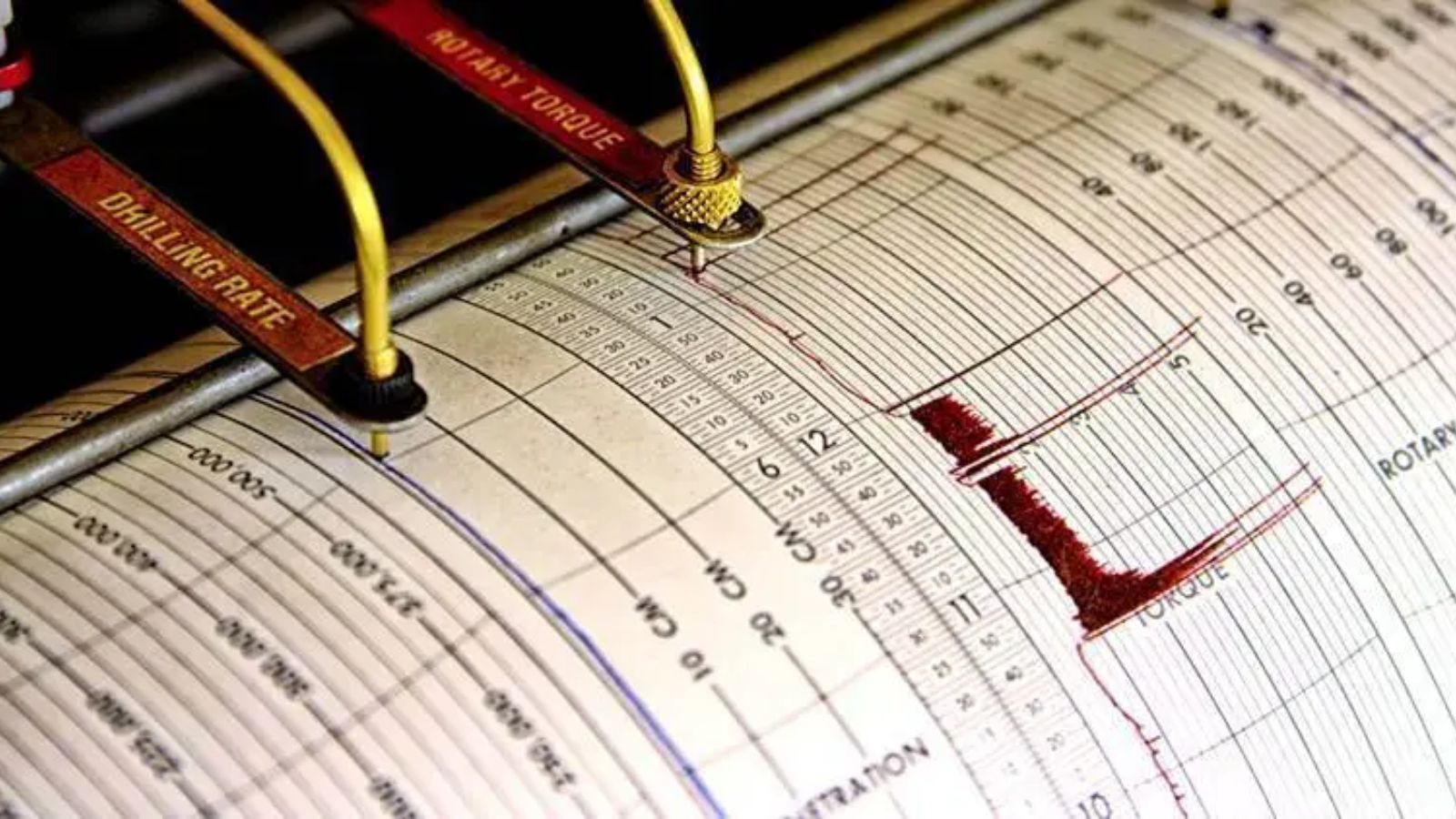
A strong earthquake struck New Zealand’s South Island on Wednesday, triggering a tsunami warning for coastal areas near the town of Te Anau.
According to initial reports, New Zealand’s National Emergency Management Agency said the earthquake measured 6.3 in magnitude and its epicentre was located around 40 km north of Te Anau, the main gateway to the popular Fiordland tourist region.
Later, the country’s National Emergency Management Agency (NEMA) downgraded the warning to an advisory. Taking to X, the NEMA said, “We have issued a NATIONAL ADVISORY: TSUNAMI ACTIVITY. This advisory represents a DOWNGRADE from WARNING. The reason for this downgrade is because the magnitude of the earthquake near Fiordland has been revised down to M5.9.”
We have issued a NATIONAL ADVISORY: TSUNAMI ACTIVITY. This advisory represents a DOWNGRADE from WARNING. The reason for this downgrade is because the magnitude of the earthquake near Fiordland has been revised down to M5.9.
Go to https://t.co/ccVFYR8001 for more information.
— National Emergency Management Agency (@NZcivildefence) July 16, 2026
Meanwhile, the United States Geological Survey (USGS) and the German Research Centre for Geosciences (GFZ) estimated the quake at magnitude 5.9, saying it occurred at a depth of more than 50 km.
The New Zealand Civil Defence department in a Facebook post said, “We expect New Zealand coastal areas to experience strong and unusual currents and unpredictable surges at the shore following a magnitude 5.9 earthquake near Fiordland at 9:14 pm. Strong currents and surges can injure and drown people. There is a danger to swimmers, surfers, people fishing, and anyone in or near the water close to shore. People in or near the sea in the following areas should move out of the water, off beaches and shore areas and away from harbours, marinas, rivers, and estuaries.”
Sending out an advisory, the country’s Civil Defence department said, “People on boats, liveaboards and at marinas should leave their boats/vessels and move onto shore. Do not return to boats unless instructed by officials.”
The advisory also added that there is “no need to evacuate other areas unless directly advised by local civil defence authorities. Coastal inundation (flooding of land areas near the shore) is not expected as a result of this event.”
Listing out the dos and don’t, the department said:
- Move out of the water, off beaches and shore areas and away from harbours, marinas, rivers, and estuaries.
- Do not go to the coast to watch the unusual wave activity as there may be dangerous and unpredictable surges.
- Listen to local civil defence authorities and follow any instructions.
- Share this information with family, neighbours, and friends.
Stay updated with the latest – Click here to follow us on Instagram
