
60 countries hit by new US ‘forced labour’ tariffs; Who’s on the list

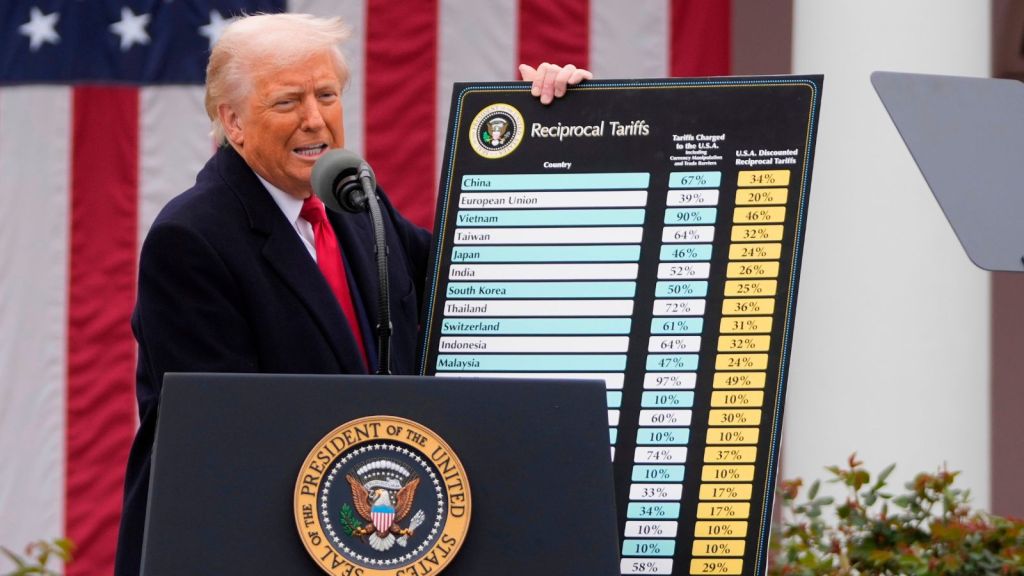
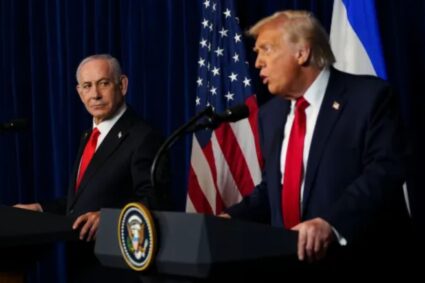
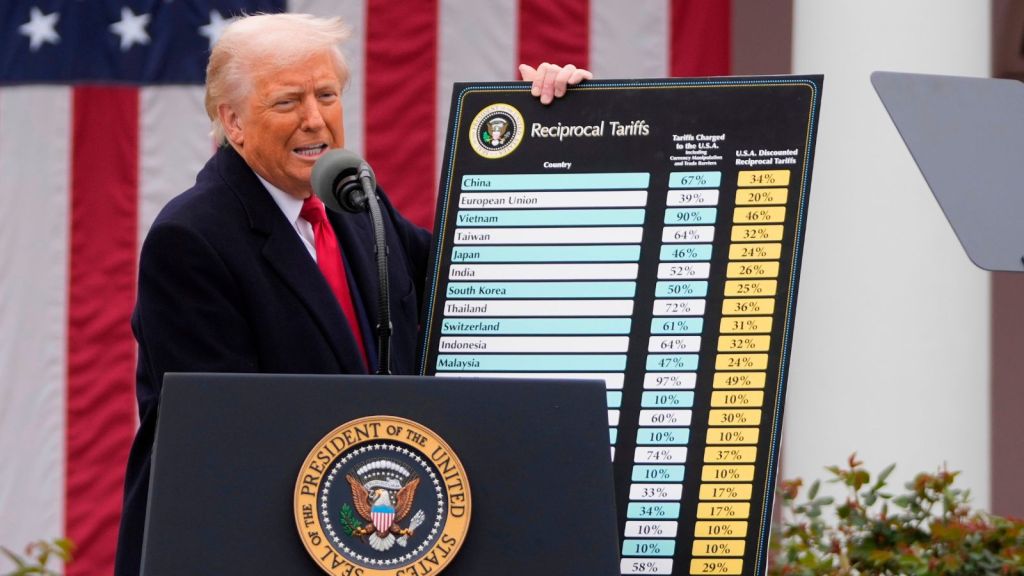 President Donald Trump speaks during an event to announce new tariffs in the Rose Garden at the White House. (Photo: AP)
US President Donald Trump is pressing ahead with fresh tariffs on dozens of trading partners just as an earlier round of temporary levies runs out, marking another shift in Washington’s approach to trade after months of legal setbacks, the Associated Press (AP) reported.
Here’s what’s changing, and why it matters.
What’s happening: The US will impose tariffs of 10 to 12.5 per cent on imports from 60 trading partners, covering 99 per cent of all US imports. The move targets countries Washington says have not done enough to stop goods made with forced labour from entering their supply chains.
Which countries are on the list:
10% tariff rate — 17 economies:
- Argentina
- Bangladesh
- Cambodia
- Canada
- Ecuador
- El Salvador
- Guatemala
- Honduras
- India
- Indonesia
- Jordan
- Malaysia
- Mexico
- Pakistan
- Sri Lanka
- Trinidad and Tobago
- United Kingdom
10-12.5% rate (net of MFN rate), on top of existing duties:
- European Union
- Taiwan
- Japan
- South Korea
- Switzerland
12.5% rate — all other economies under investigation, including:
- Chile
- Brazil
The legal route the US is taking: The tariffs are being brought in under Section 301 of the Trade Act of 1974, a law that lets the president act against countries seen as using unfair trade practices, AP reported. Trump used the same law during his first term to place large tariffs on China, and those held up in court.
This route is seen as sturdier than the temporary 10 per cent worldwide tariffs it replaces, which expire at 12:01 am Friday after Trump used a different law, Section 122, that only allows such tariffs for 150 days.
Why did India’s rate drop: A senior administration official told AP that some countries had tightened their rules on forced labour since the tariffs were first proposed last month, and so qualified for a lower rate. India’s tariff was cut from 12.5 to 10 per cent as a result, the official said.
Story continues below this ad
What’s exempt from the tariffs: Products such as oil, gas and fertiliser are not covered by the new tariffs, AP reported, and goods that already qualify for duty-free treatment under the US-Mexico-Canada Agreement are also spared.
What’s the political pushback: USTR chief Jamieson Greer defended the policy, saying, “it’s well past time for our trading partners to do the same,” pointing to the US’s own long-standing forced labour import ban.
But Democratic Representative Richard Neal, the top Democrat on the House Ways and Means Committee, pushed back, arguing the forced labour justification was being used as cover for a tariff plan built on shaky legal ground.
How have Brazil and Chile reacted: Brazil, facing a 12.5 per cent rate, called the move unfair and said it would consider retaliatory tariffs and take its case to the World Trade Organization, AP reported. Chile, also facing 12.5 per cent, said its labour protections were already strong and that the US measure did not match its own standards.
Story continues below this ad
However, the International Labour Organization estimates around 27.6 million people were in forced labour worldwide on any given day in 2021.
Rights groups broadly support import bans as a tool against forced labour, though some cautioned that countries need time to build enforcement systems that actually work, rather than rules that exist only on paper.
The US Trade Representative’s office has also opened a separate inquiry into whether 16 countries, making up 70 per cent of US imports, have flooded markets with cheap goods, though that investigation is still ongoing. Analysts say more Section 301 tariffs are likely to follow.
With inputs from AP
