




US nears consensus with Iran on one-page memorandum to end war

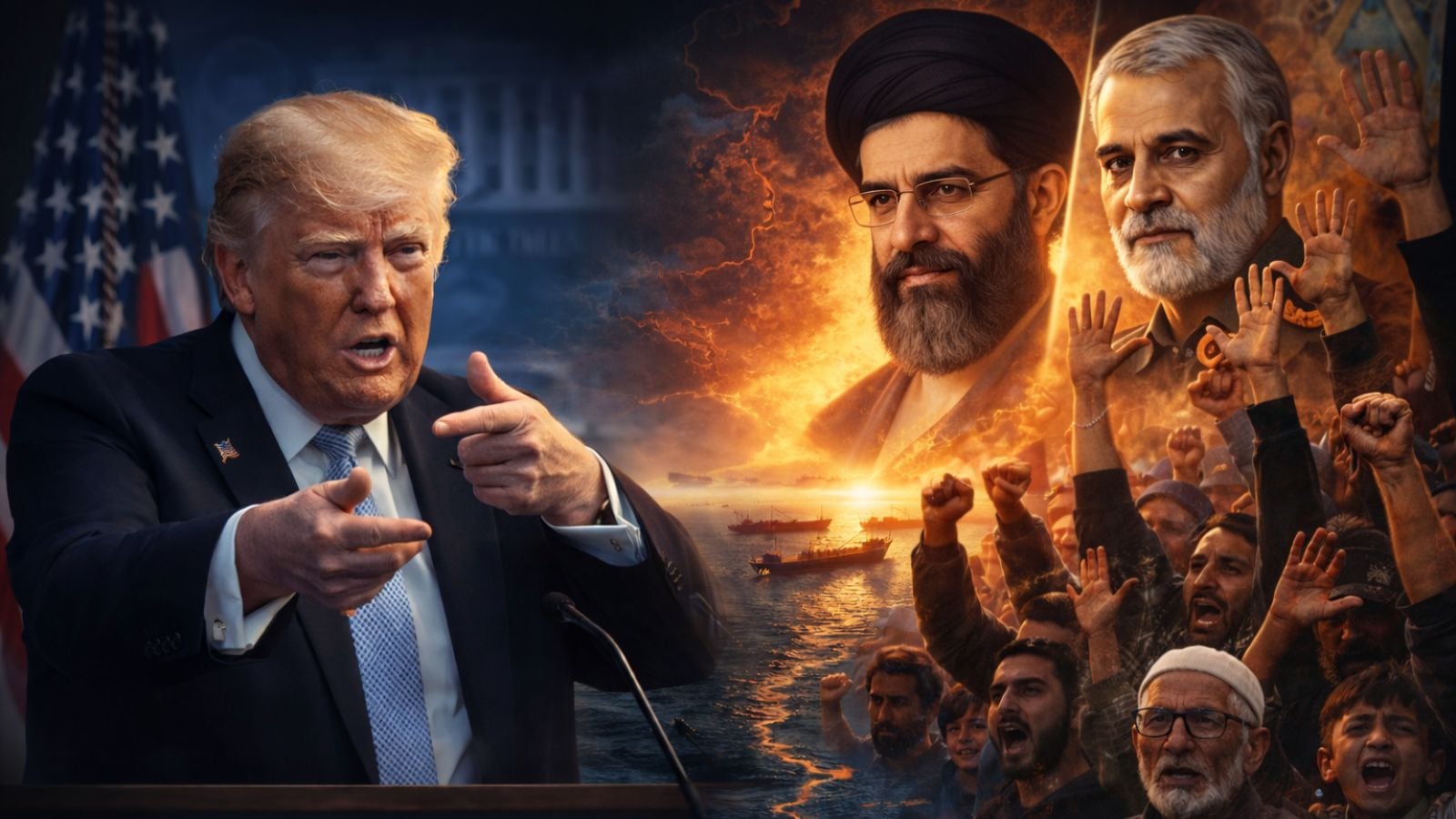
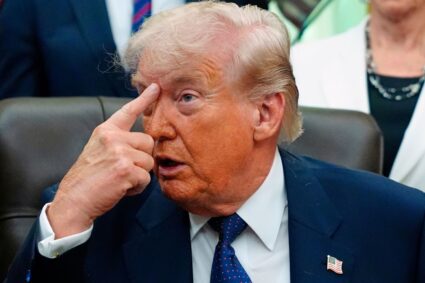
US President Donald Trump on Wednesday said “great progress” has been made in talks with Iran and announced a halt to ‘Project Freedom’, which was meant to guide ships through the Strait of Hormuz. The White House reportedly believes that it is closing in on getting an agreement on a one-page memorandum of understanding with Iran to end the conflict in West Asia.
A report in Axios stated that White House is planning on a one-page MoU and set a framework for detailed negotiations over Iran’s nuclear programme, which has been one of the key issues in talks failure between Tehran and Washington.
The report, citing two US officials, stated that America expects Iran to respond to the one-page MoU’s key points in 48 hours. It added that nothing has been agreed between the two countries yet; however, it is the closest since the two parties started negotiations after the war broke out on February 28.
News agency Reuters reported that the United States and Iran are moving closer to a potential agreement to end the ongoing Gulf conflict, even as a fragile ceasefire continues to hold amid sporadic attacks and rising regional tensions.
pic.twitter.com/oYljlx4uRu
— Rapid Response 47 (@RapidResponse47) May 6, 2026
A Pakistani source familiar with the mediation efforts said both sides are close to finalising a one-page memorandum aimed at ending the war. “We will close this very soon. We are getting close,” the source said, confirming earlier reporting by Axios.
What provisions will the deal include?
The MoU will have several provisions which are poised to be discussed between Trump’s Middle East envoy Steve Witkoff and his son-in-law Jared Kushner, and several Iranian officials. Some of which reportedly are:
- Iran agreeing to a moratorium on nuclear enrichment.
- US to lift sanctions on Iran.
- Washington release billions in frozen Iranian funds.
- US and Iran, both agreeing to lift restrictions to pass through Strait of Hormuz.
However, the report added that several provisions detailed in the MoU would depend on the final agreement being reached between both countries, which meant that there is room for the war being reignited or a possibility in which the hostilities might cease, but nothing remains resolved in the region.
The MoU is expected to declare an end to the conflict between the US and Iran and start a 30-day period of negotiations in order to open the Strait of Hormuz and other key aspects.
Story continues below this ad
14-point memorandum: What the proposed deal includes
According to the report, the proposed 14-point memorandum of understanding is being negotiated by US envoys Steve Witkoff and Jared Kushner with Iranian officials, both directly and through intermediaries. It would formally end hostilities and initiate a 30-day negotiation window for a broader agreement covering nuclear restrictions, sanctions relief and reopening of the Strait of Hormuz.
The deal is expected to include a moratorium on Iran’s nuclear enrichment, partial lifting of US sanctions and release of frozen Iranian funds, along with easing restrictions on maritime transit in the crucial waterway that handles about one-fifth of global oil supply.
Trump pauses naval mission amid ‘great progress’
US President Donald Trump signalled progress by pausing “Project Freedom,” a naval mission aimed at escorting ships through the Strait of Hormuz. “We have mutually agreed… to see whether or not the Agreement can be finalized and signed,” Trump wrote on social media.
Ceasefire holds, but attacks and tensions persist
However, the situation on the ground remains volatile. The United Arab Emirates reported fresh missile and drone attacks, calling them a “serious escalation,” though Iran denied responsibility. Meanwhile, US Secretary of State Marco Rubio stressed that Washington’s actions remain defensive. “There’s no shooting unless we’re shot at first,” he said.
Story continues below this ad
Strait of Hormuz disruptions keep markets on edge
The Strait of Hormuz has been largely shut since February 28, disrupting global energy markets. Despite US claims of securing transit routes, shipping incidents and conflicting reports from Iran continue to highlight uncertainty in the region.
Iran signals openness, stresses ‘fair agreement’
Iran’s Foreign Minister Abbas Araqchi reiterated Tehran’s position, saying the country seeks “a fair and comprehensive agreement,” while confirming ongoing talks mediated by Pakistan.
High stakes: War toll, global impact, next steps
With thousands killed and global economic pressures mounting, the proposed memorandum is being seen as a critical step toward de-escalation — but its success will depend on whether both sides can sustain momentum during the upcoming negotiation phase.
(With inputs from Reuters)