
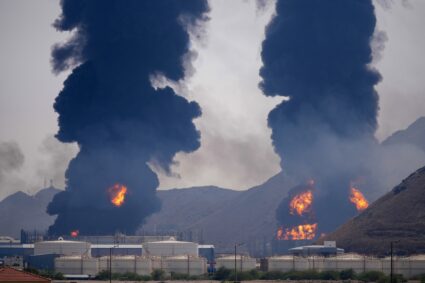

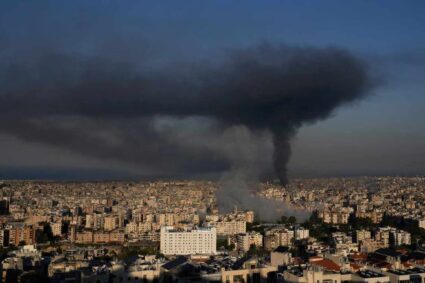



What’s in the 14-point agreement Trump, Pezeshkian signed to mark US-Iran truce?

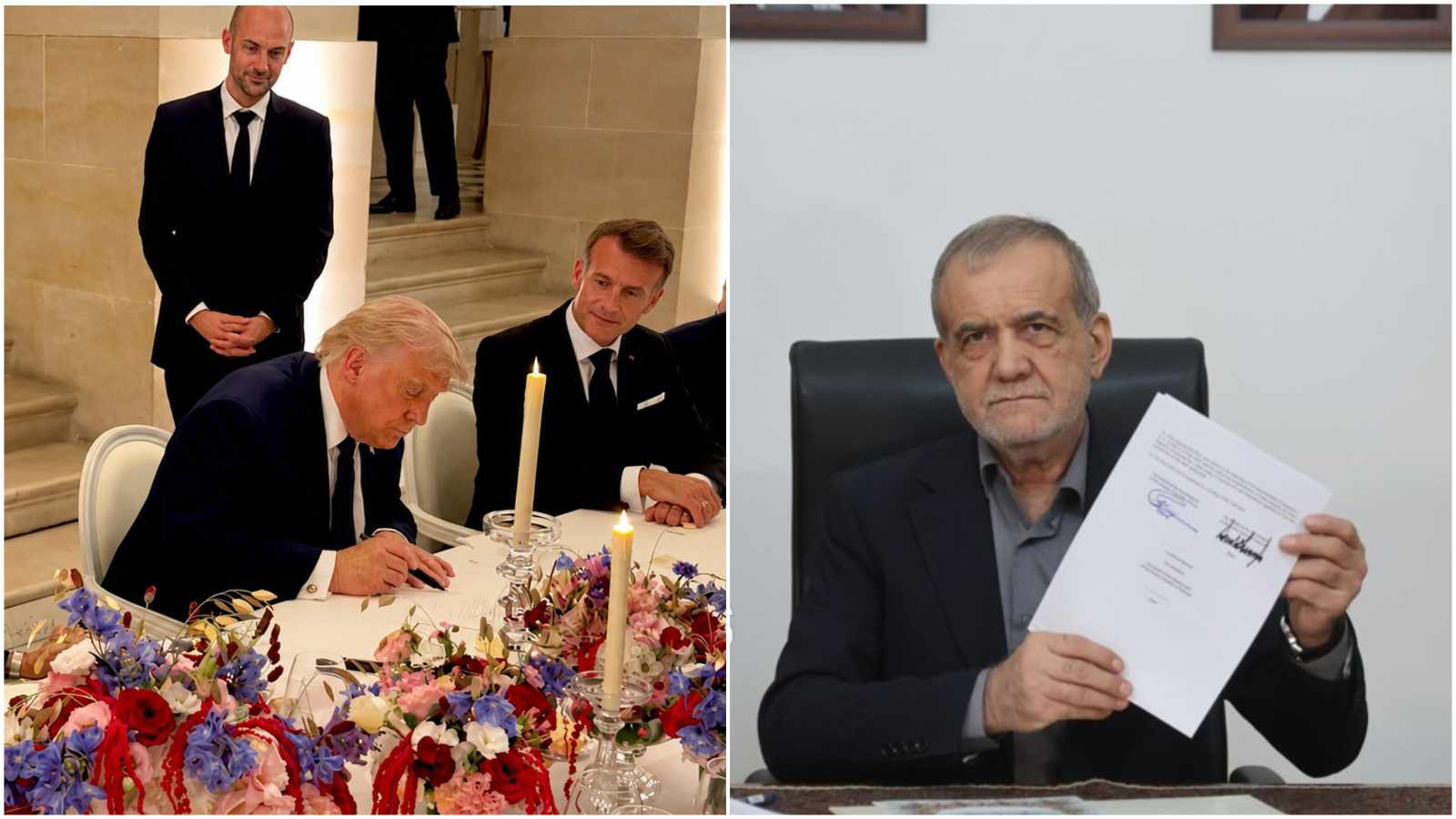
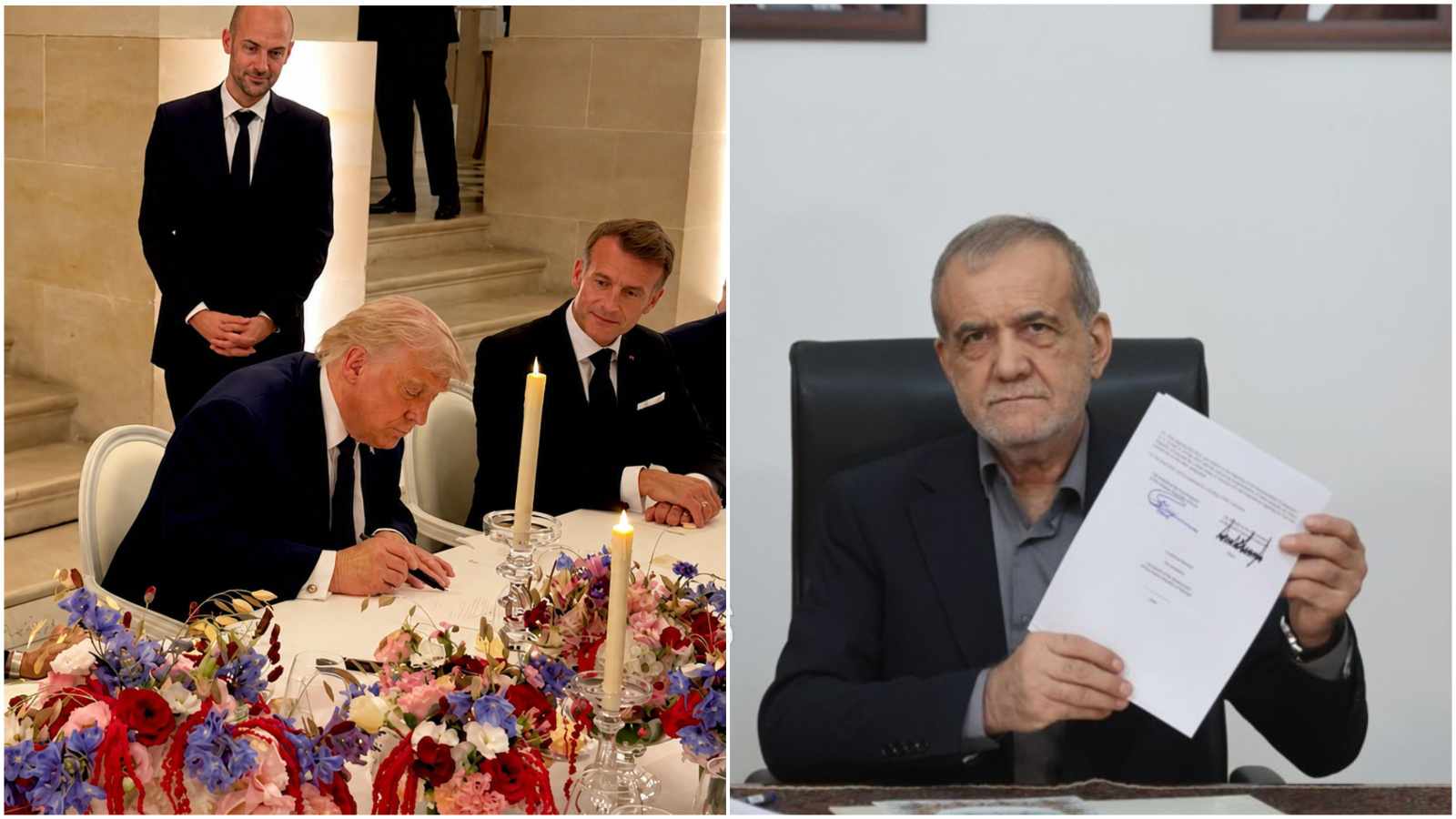
US President Donald Trump formally signed an agreement with his Iranian counterpart Masoud Pezeshkian, to end the war in the Gulf on Wednesday.
Both sides confirmed that the deal is in effect, ending the hostilities on all fronts and reopening the Strait of Hormuz.
A senior US official read out the 14-point agreement, termed as a Memorandum of Understanding, that calls for Iran to dilute its stock of enriched uranium and waives US sanctions on the country.
Here’s what the Memorandum of Understanding says
1) An end to conflict ‘on all fronts’
The US and Iran, along with their allies, declared an “immediate and permanent” termination of military operations on “all fronts” – including Lebanon. They also agreed not to start any war against each other, and abstain from threatening or using any kind of force on each other, making sure that the “territorial integrity and sovereignty of Lebanon” is maintained. Final deal will confirm the permanent termination of the war on all fronts, including in Lebanon, and other provisions of this paragraph,” the text of the deal said.
2) Respect for ‘internal affairs’
The United States of America and the Islamic Republic of Iran, out of respect for each other’s sovereignty and territorial integrity, would refrain from interfering in the internal affairs of one another.
3) 60-day deadline for final deal
Both countries committed to striking the final deal within a 60-day deadline, which might be extended only with mutual consent.
4) US blockade to end
Story continues below this ad
The US would start removing its naval blockade and any hindrances imposed on Iranian ports. The naval blockade will fully end within 30 days. The traffic on the Gulf waters, during this period, will be in proportion to the number of pre-war traffic being restored by Iran. The US would also remove its forces close to the Islamic Republic of Iran within 30 days.
5) Strait of Hormuz
Iran will “make arrangements using its best efforts” to allow safe movement of commercial vessels through the Strait of Hormuz, with zero charge.
6) US $300 billion rebuild promise
The US, along with the regional partners, agreed to a plan for the “reconstruction and economic development” of Iran with a fund of at least $300 billion. The framework of its implementation will be finalised in the next 60 days. “All required licenses, waivers and permissions needed for the relevant financial transactions will be granted by the United States of America,” the text of the deal states.
7) Lifting of sanctions on Iran
The US promised to lift all kinds of sanctions imposed on Iran, “including United Nations Security Council resolutions, i.e. IAEA [International Atomic Energy Agency] Board of Governors resolutions and all unilateral U.S. sanctions” in a schedule to be agreed upon as part of the final deal.
8) Iran’s ‘no nuclear weapons’ promise
Story continues below this ad
The Islamic Republic of Iran promised to not “procure or develop” nuclear weapons. The US and Iran agreed to resolve “the disposition of stockpiled enriched material, pursuant to a mechanism that will be mutually agreed upon” under the supervision of the IAEA. The two nations will also discuss the issue of enrichment and other matters related to Iran’s nuclear needs in the final deal. The final agreement will confirm the provisions of this point.
9) Both countries to maintain status quo
Acknowledging the importance of the above two points, the US and Iran will maintain the status quo, pending the final deal. Iran will maintain the current status quo in the nuclear programme agreement, while the US will refrain from imposing new sanctions and will not deploy additional forces in the proximity of Iran.
10) Waivers on Iranian exports
Until the termination of sanctions, the US treasury department will issue waivers on the export of Iranian crude oil, petroleum products and derivatives, and all associated services, including transportations, insurances, and banking transactions, among others
11) Iran’s assets to be unfrozen
The US will make Iran’s frozen or restricted funds and assets available for use upon the implementation of this memorandum. During the negotiations, the countries will mutually agree on how these funds will be released. The US will issue all necessary licences and authorisations required for the same.
12) Mechanism for successful implementation of deal
Story continues below this ad
The countries agreed that an executive mechanism will be chalked out to monitor the successful implementation of the MoU and the compliance of the final deal in future.
13) Negotiations for final deal
The negotiations for the final deal will start once the implementation of points 1, 4, 5, 10 and 11 of this memorandum starts and continues.
14) Final deal to be endorsed by UNSC
The final deal between the two countries will be endorsed by a binding United Nations Security Council resolution.
Stay updated with the latest – Click here to follow us on Instagram