



Iran launches drone attack on Bahrain, tanker struck in Strait of Hormuz after US airstrikes

5 min readUpdated: Jun 27, 2026 03:51 PM IST
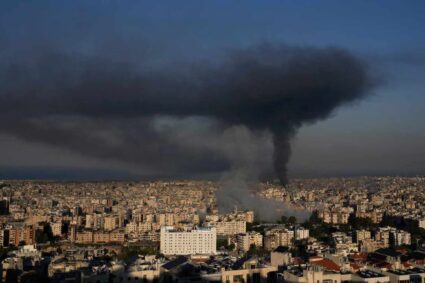
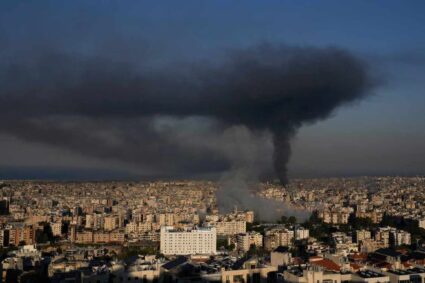
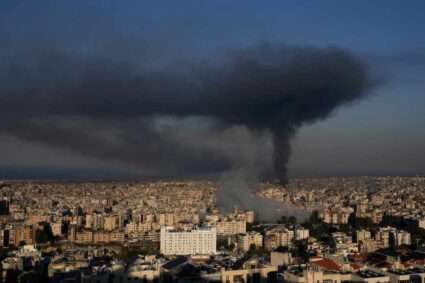
Iran on Saturday launched a drone attack targeting Bahrain, and a tanker came under attack in the Strait of Hormuz, hours after the United States carried out airstrikes on Iranian military targets, marking the most serious escalation since the week-old US-Iran ceasefire came into force. Bahrain, home to the US Navy’s Fifth Fleet, condemned what it described as an Iranian drone attack, while the British military said a commercial tanker was struck in the strategic waterway. No group immediately claimed responsibility for the tanker attack, though suspicion quickly fell on Iran, news agency Associated Press reported.
The latest attacks come after Iran said it had launched retaliatory strikes on US-linked targets in response to American airstrikes on missile, drone and coastal radar sites along Iran’s southern coast. In a statement carried by Reuters, Iran’s foreign ministry accused Washington of violating both the UN Charter and the 14-point memorandum of understanding (MoU) signed last week to halt months of fighting and reopen the Strait of Hormuz. Tehran, however, did not identify the targets or disclose where the strikes took place.
The renewed violence threatens to derail negotiations aimed at reaching a permanent US-Iran agreement on Tehran’s nuclear programme, sanctions relief and regional security. It also raises fresh concerns over shipping through the Strait of Hormuz, through which nearly one-fifth of the world’s seaborne oil passes. For India, one of the world’s largest crude importers, any prolonged disruption in the waterway could affect oil supplies, freight costs and domestic fuel prices.
Iran widens retaliation
Iran’s paramilitary Islamic Revolutionary Guard Corps (IRGC) said it had targeted several locations linked to what it called the “US terrorist army” in the region, though it did not specify the locations.
Separately, Bahrain’s foreign ministry said a “number of Iranian drones” had targeted the kingdom, calling the attack “a flagrant threat to the security of citizens and residents”. Bahrain has been among the Gulf countries most critical of Iran and hosts the US Navy’s Fifth Fleet.
Meanwhile, the United Kingdom Maritime Trade Operations (UKMTO), operated by the British military, reported that a tanker had been attacked in the Strait of Hormuz. It said the crew was safe and there was no environmental damage. No one immediately claimed responsibility, but the attack came just two days after Iran targeted a cargo vessel off the coast of Oman.
US says Iran violated ceasefire
The United States launched strikes late Friday after accusing Iran of carrying out a drone attack on a commercial vessel attempting to leave the Strait of Hormuz a day earlier.
Story continues below this ad
US President Donald Trump said Tehran had violated the ceasefire. “I don’t like the fact that they took a shot yesterday, actually four of them,” Trump told reporters shortly before the operation.
US Central Command later said American forces struck Iranian missile launch sites, drone facilities and coastal radar installations. A US official told the Associated Press the operation lasted about an hour.
Vice President JD Vance later urged Tehran to return to diplomacy, saying Iran should “pick up the phone” if disagreements over the ceasefire emerged, while warning that “violence will be met with violence.”
Strait of Hormuz back under threat
The latest attacks have again put the Strait of Hormuz at the centre of the conflict after last week’s agreement had reopened the critical shipping lane.
Story continues below this ad
The International Maritime Organization had begun moving stranded vessels out of the Gulf through an alternative route near Oman’s coastline after the interim US-Iran agreement. However, those efforts were suspended after Thursday’s attack on a commercial ship.
Shipping analysts say confidence in the route has weakened again even though commercial traffic continues. Any sustained disruption could have global consequences because around 20% of the world’s seaborne crude oil passes through the strait.
Lebanon ceasefire remains fragile
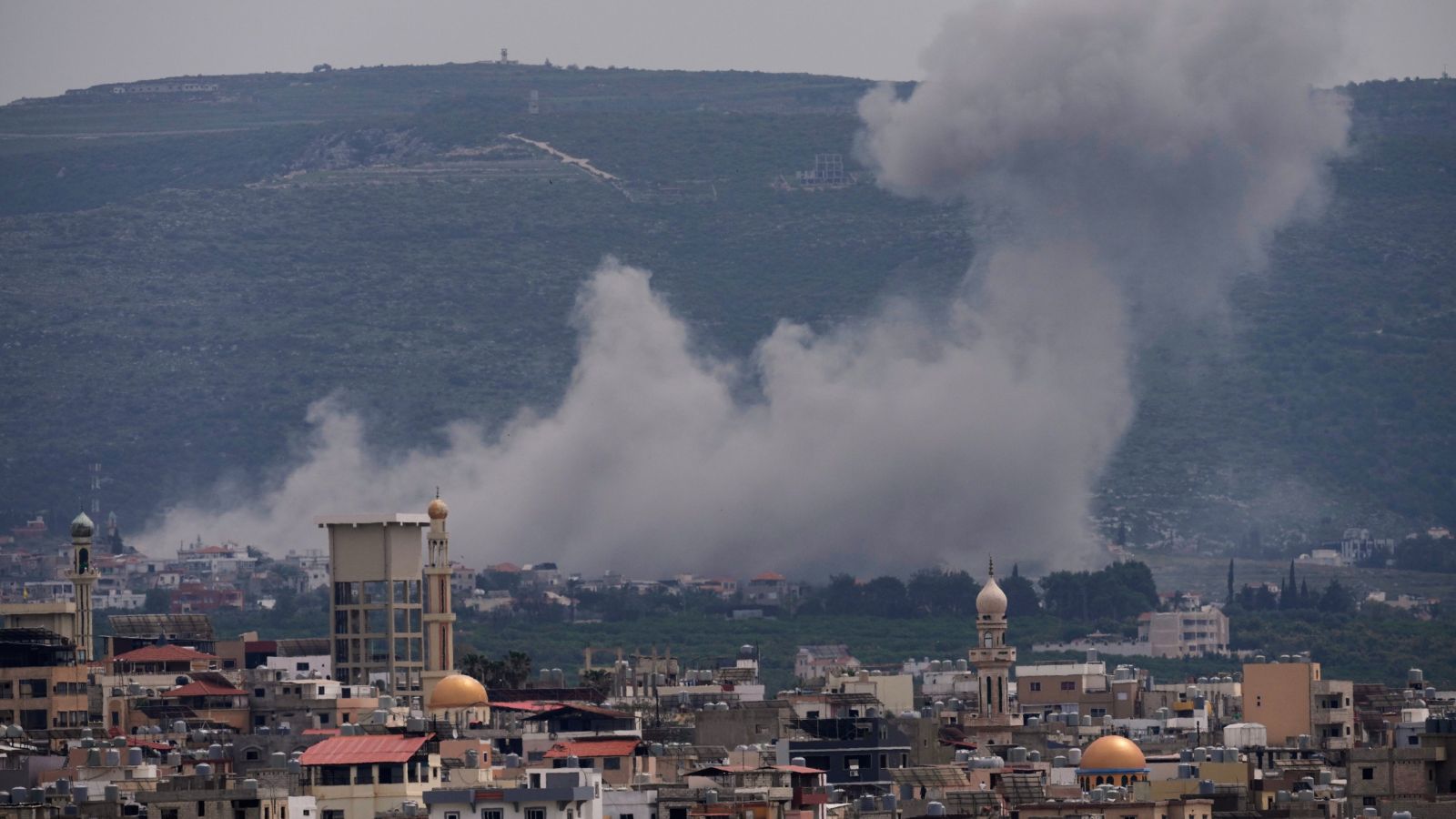
The escalation also comes as diplomatic efforts continue in Lebanon, where Israel and Hezbollah have agreed to a fragile ceasefire framework after months of fighting.
Israeli Prime Minister Benjamin Netanyahu has said Israeli forces will remain in a security zone in southern Lebanon until Hezbollah no longer poses a threat. Lebanon has described the framework as an important step towards restoring stability, though sporadic violence continues.
Story continues below this ad
What happens next?
Saturday’s attacks represent the biggest challenge yet to the fragile US-Iran ceasefire and the 60-day roadmap agreed by both countries. Negotiators are still expected to pursue talks on Iran’s nuclear programme and sanctions relief, but the latest military exchanges, coupled with renewed attacks in the Strait of Hormuz, have significantly raised the risk that the interim agreement could unravel before a final deal is reached.
(With inputs from Reuters and AP)
Stay updated with the latest – Click here to follow us on Instagram