






Best time to visit Vietnam: Month-by-month weather guide for Indian travellers

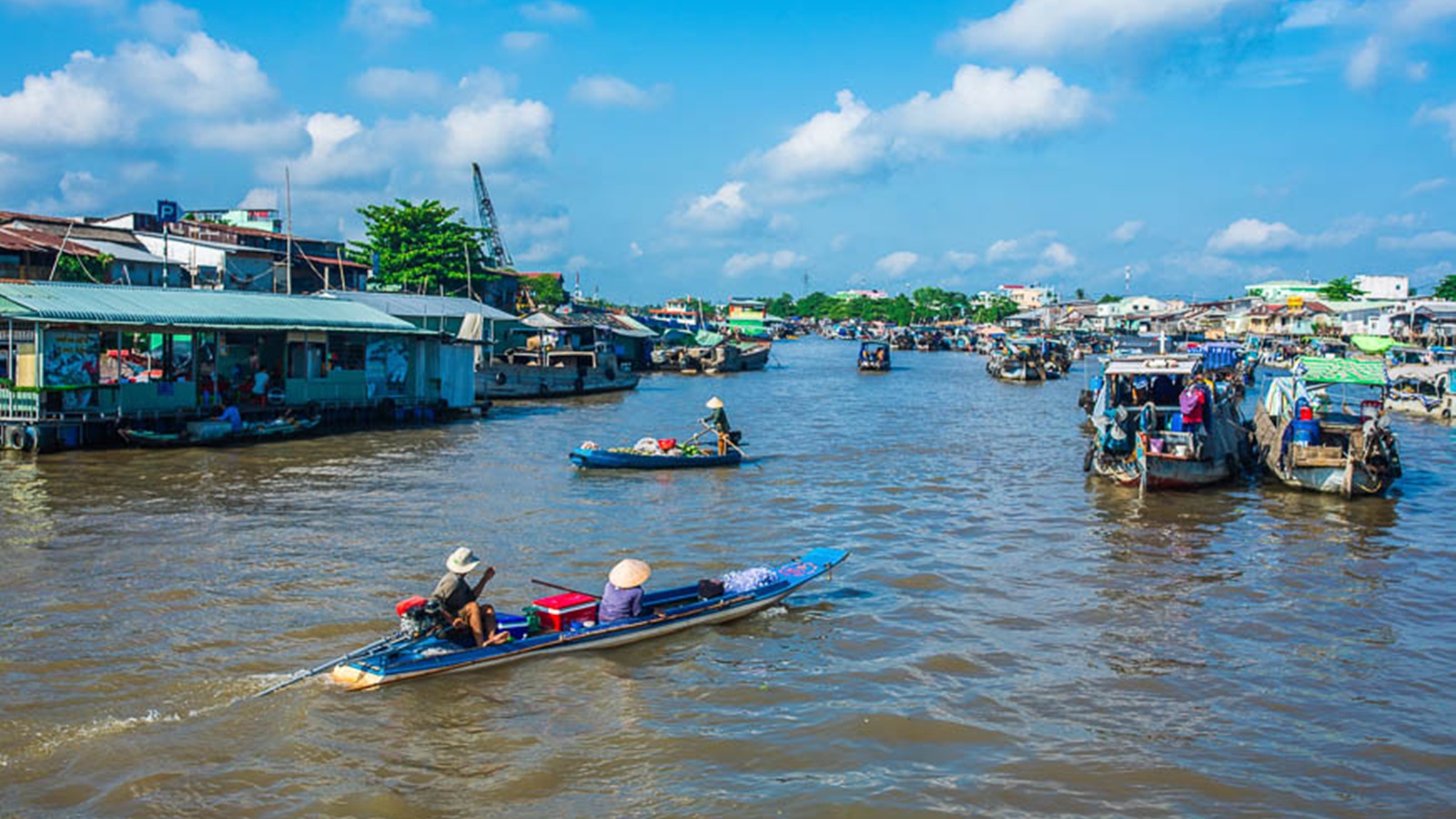
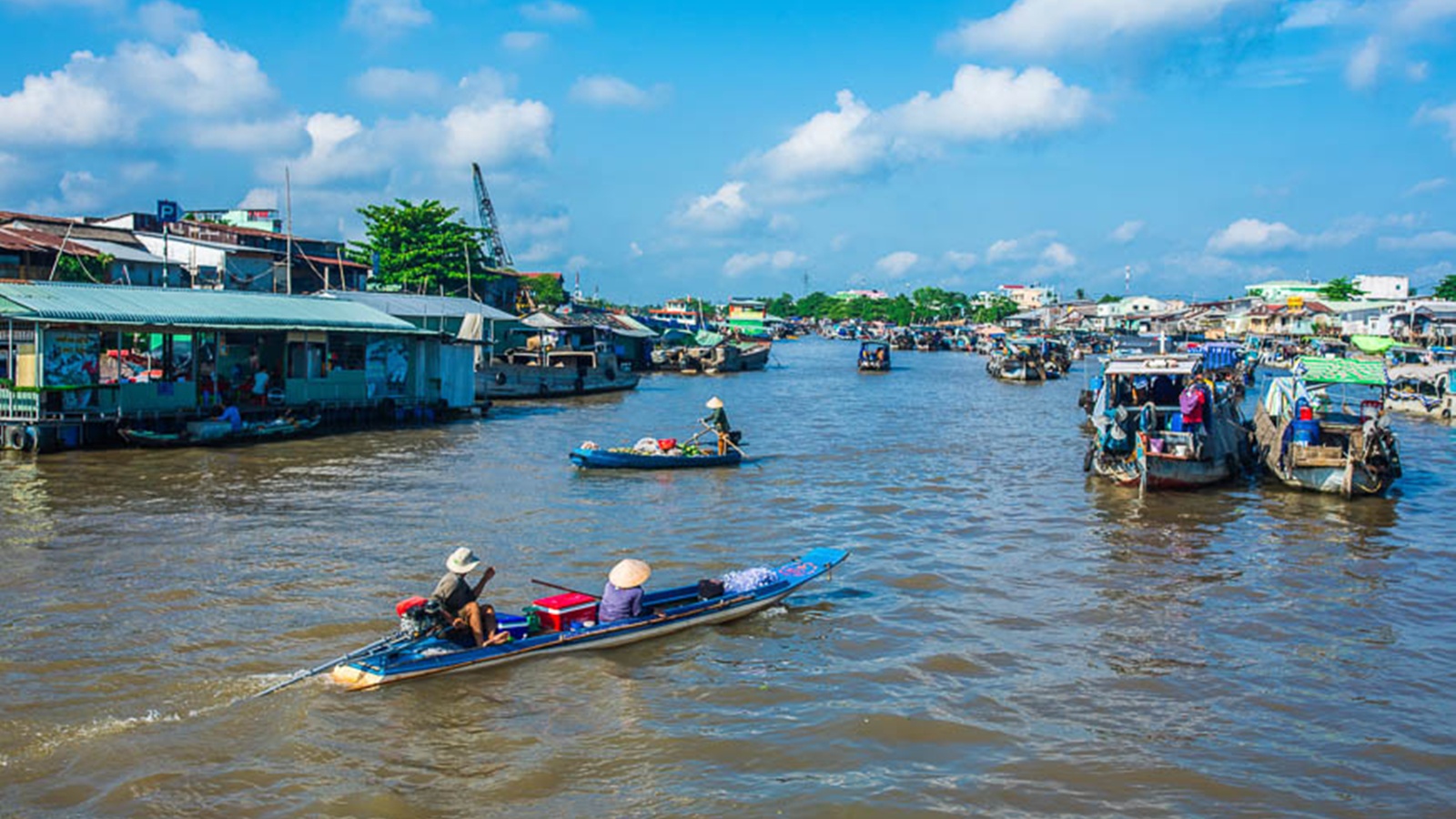
With direct flights, visa-free entry for Indian passport holders, and affordable airfares, Vietnam has emerged as one of the fastest-growing overseas destinations for Indian travellers. But when is the best time to visit? The answer depends on where you are headed, as the country’s weather varies significantly from north to south.
Stretching over 1,600 km from north to south, Vietnam experiences different weather patterns across its regions.
Geographic borders and key tourist destinations
The Southeast Asian nation is surrounded by Cambodia and Laos in the west, while China borders the country in the north. Vietnam’s eastern and southern coastline is covered by the South China Sea.
Vietnam’s capital, Hanoi, and other cities like Sapa, Halong Bay, Da Nang, and Hue, among others, attract tourists from across the world throughout the year.
Understanding the tropical monsoon climate system
Due to its unique geography, Vietnam has a tropical monsoon climate that divides itself into two distinct seasons. Travellers planning a trip to the country need to understand the weather and make their overall experience better.
How monsoon cycles shape regional experiences
The country is blessed with the southwest monsoon and northeast monsoon; however, tourists need to plan their visit accordingly, as each part of Vietnam offers a different experience depending on the seasonal cycle.
.
Destination by destination
Halong Bay & HanoiApr–Jun · Sep–Nov
Warm with clear skies in spring; cool and sunny in autumn.
Avoid: Jun–Aug (heavy rain, storms) and late Dec–Mar (cold snaps, heavy mist).
SapaLate Apr · Early Oct
Late April brings blooming flowers and clear skies; early October, golden rice paddies just before harvest.
Note: winters turn chilly enough for occasional snow.
Huế & Hội AnMar–Aug
Warm, sunny and ideal for the beach.
Avoid: Sep–Feb — heavy rain, tropical storms and localised flooding.
Nha TrangJan–Aug
More than 300 days of sunshine a year and the country’s shortest rainy season.
Avoid: the Sep–Dec rains (December is a transition month — it can go either way).
Da LatNov–Mar
Cool, dry and clear — a crisp mountain escape from the heat.
Avoid: the long rains, roughly Apr–Oct. (April and May are borderline — sources differ.)
Ho Chi Minh City & Mekong DeltaDec–Apr
Hot and dry with clear skies.
Avoid: May–Nov, when dependable afternoon downpours set in.
Phú QuốcOct–Jun
Hot, dry and sunny — December and January are sublime.
Avoid: Jul–Sep, when storms can make ferry travel dangerous.
Typical conditions, region by region
Great Mixed Wet / stormy Cool / misty
Northern — Hanoi, Halong Bay
Dec–Mar
Cool to cold, misty
Apr–Jun
Warm, clear, sunny
Jun–Aug
Hot, humid, stormy
Sep–Nov
Clear skies, sunny
Sapa (Highlands)
Dec–Mar
Chilly, misty; snow in Jan
Apr–Jun
Warm, clear, sunny
Jun–Aug
Stormy, warm, humid
Sep–Nov
Cool, clear, dry
Central Coast — Huế, Hội An
Dec–Mar
Cool, rainy, cloudy
Apr–Jun
Warm to hot, clear
Jun–Aug
Hot, sunny beach weather
Sep–Nov
Rainy; flooding risk
Nha Trang
Dec–Mar
Hot, sunny, clear
Apr–Jun
Hot, sunny, clear
Jun–Aug
Hot, sunny (peaks Jul–Aug)
Sep–Nov
Cool, rainy, cloudy
Da Lat (Highlands)
Dec–Mar
Cool to cold, dry, clear
Apr–Jun
Rainy, warm, cloudy
Jun–Aug
Rainy, warm, cloudy
Sep–Nov
Rainy, warm, cloudy
Southern — HCMC, Mekong
Dec–Mar
Clear skies, hot, sunny
Apr–Jun
Clear skies, hot, sunny
Jun–Aug
Sporadic rain, humid
Sep–Nov
Sporadic rain, humid
Phú Quốc
Dec–Mar
Clear skies, hot, sunny
Apr–Jun
Clear skies, hot, sunny
Jun–Aug
Stormy, hot, humid
Sep–Nov
Clear skies, hot, sunny
Seasons overlap at the edges and shift year to year — treat the shoulder months (June, September, December) as unpredictable.
The countrywide sweet spot
March – May
If you want to see the whole country in one trip with the best odds of good weather everywhere, this is the window.
The quick rules
✓
Beaches (Hội An, Nha Trang)
Head to the central coast and Nha Trang in the summer months — this is when they’re at their sunniest.
✓
The north (Hanoi, Halong, Sapa)
Spring and autumn. Late April for Sapa’s flowers; early October for its golden rice terraces.
✓
The south (HCMC, Mekong, Phú Quốc)
The dry season, roughly December to April. December–January is prime time on Phú Quốc.
✗
The big one to avoid
The central coast from September to February — tropical storms and flooding. And Phú Quốc in July–September, when ferries can be unsafe.
★
The catch
No month is perfect everywhere at once: when the central beaches are at their best, the north is often stormy — and vice versa.
A general weather guide, not a forecast. Check local conditions and storm warnings before you travel.
Typical seasonal conditions; patterns vary year to year. Check current forecasts and travel advisories before booking.
.
Optimal travel windows and northern weather patterns
According to Vietnam’s official tourism website, though there is no bad time to visit the country as there’s always some part under holiday skies, March to May offers the best weather countrywide.
Story continues below this ad
Weather in Hanoi remains cool, misty and cloudy from December to March, while it transforms to hot, sunny and clear skies from April to June.
It is humid and rainy during July and August, with cool, clear skies and sunny from September to December, the country’s tourism website stated.
Southern climate characteristics and transit from India
Another tourist attraction is Ho Chi Minh City in southern Vietnam, where the weather remains hot and humid with sporadic rainfall from May to November, and sunny, clear skies with temperatures hovering around 30 degrees in December to May.
A flight from Delhi to Hanoi typically takes around four to five hours, with tickets for an adult ranging from about Rs 30,000.
Story continues below this ad
Among the activities that can be done in Vietnam include:
- Cycling and beach hopping
- Water activities
- Mekong Delta trips
- Trekking
- Biking tours
- Sightseeing waterfalls
- Participating in festivals and cultural experiences
