



37 deaths and an ‘election’ to 12 seats: What is behind PoK violence?

4 min readNew DelhiUpdated: Jul 31, 2026 03:00 PM IST
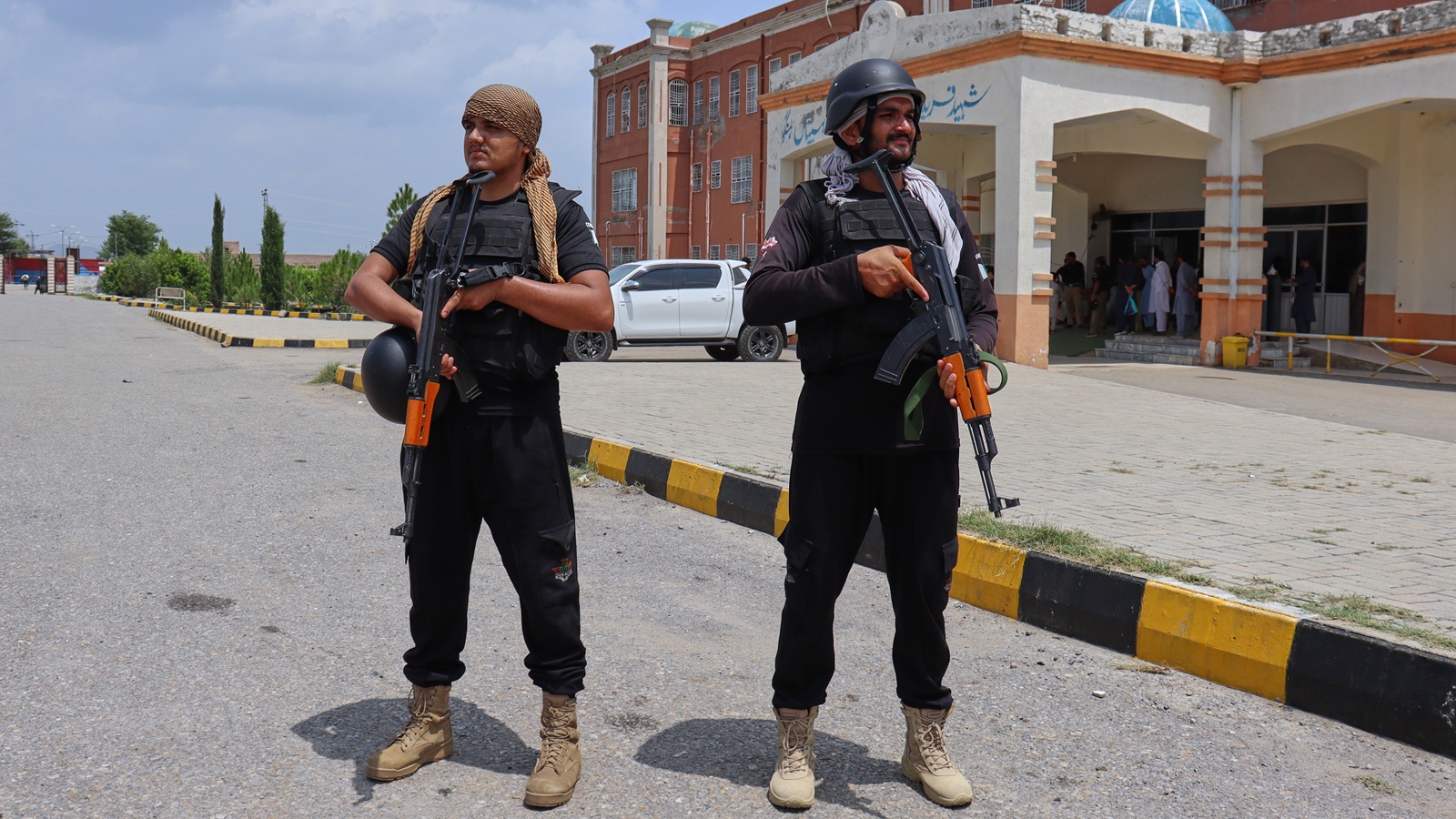
Violence continues to haunt Pakistan-occupied Kashmir as security forces crackdown on people uniting behind the Joint Awami Action Committee to protest a cost-of-living crisis and ‘elections’ for 12 seats to the Pak Assembly.
At least 37 people have been killed so far, according to the JAAC – a coalition of traders, civil society groups, and political activists that has spearheaded demonstrations against rising prices, taxes, and regional governance issues.
According to a report by news agency PTI, the JAAC said the number of injured is still unknown. “Amid heavy gunfire, our people continue to stand unarmed. God willing… our peaceful struggle against oppression and injustice will continue,” the group said.
The deaths mark a significant escalation in a movement that has been gathering momentum for over a year now.
The PoK ‘election’
The poll for these 12 seats occurs outside the operational control of Pakistan’s Election Commission, which has prompted people living there to argue the Pak government manipulates the polling to ensure candidates backed by them win.
They have also argued the Pak government uses these seats to elect a ‘prime minister’ of its choice.
The JAAC grouping has, thus far, led these protests.
Story continues below this ad
However, triggered by the wave of protests since June, the Pak government has now ‘banned’ the JAAC and filed cases against its leaders, levying serious charges including terrorism and sedition.
Nevertheless, protesters remain determined to stage a march to pressure Islamabad into accepting their demands.
India’s response
India has consistently held that PoK remains an integral part of the country and that Pakistan is illegally occupying the area. The Indian government has called these ‘elections’ an attempt to hide grave human rights violations in the area.
External Affairs Ministry spokesperson Randhir Jaiswal, speaking in Delhi this week, said: “India’s position on this is clear, consistent, and well-known.” “The entire UTs of Jammu and Kashmir and Ladakh, including areas currently under Pak’s illegal and forcible occupation, are integral parts of India.”
Story continues below this ad
“As we stated earlier, the ongoing mass protests in Pak-occupied Jammu and Kashmir are the direct consequences of Pak’s economic exploitation… its denial of people’s fundamental rights… and its administrative oppression.”
Meanwhile, J&K Chief Minister Omar Abdullah also expressed concern.
“As far as the situation is concerned, we are all worried. The reports coming from there… the way force is being used and innocent people are being targeted…we can only hope peace is maintained there,” he said.
What Pak said
The Pak government has denied JAAC claims about the death of 37 civilians, arguing terrorists from the banned Tehreek-e-Taliban had been present amongst that crowd and that the crackdown targeted them.
Story continues below this ad
Talal Chaudhary, Pak’s Minister for Interior Affairs, refused to engage in any talks with the protesters.
“We will not talk to the protesters and law will take its course,” he said.
Meanwhile, Amnesty International and the Human Rights Commission of Pakistan have expressed concerns over reports of violence, urging authorities to probe such incidents.
Polls underway
The ‘election’ began Monday with voting to be held in three phases till August 10.
Story continues below this ad
Of the 53 seats, eight are reserved for women, technocrats and clerics. Of the remaining 45, 12 are reserved for migrants settled in different parts of Pakistan. It is these 12 that have been a bone of contention, with locals demanding this reservation be abolished.
Stay updated with the latest – Click here to follow us on Instagram
