

Nepal unrest: What’s fuelling communal clashes along India border?

3 min readUpdated: Aug 1, 2026 02:55 PM IST
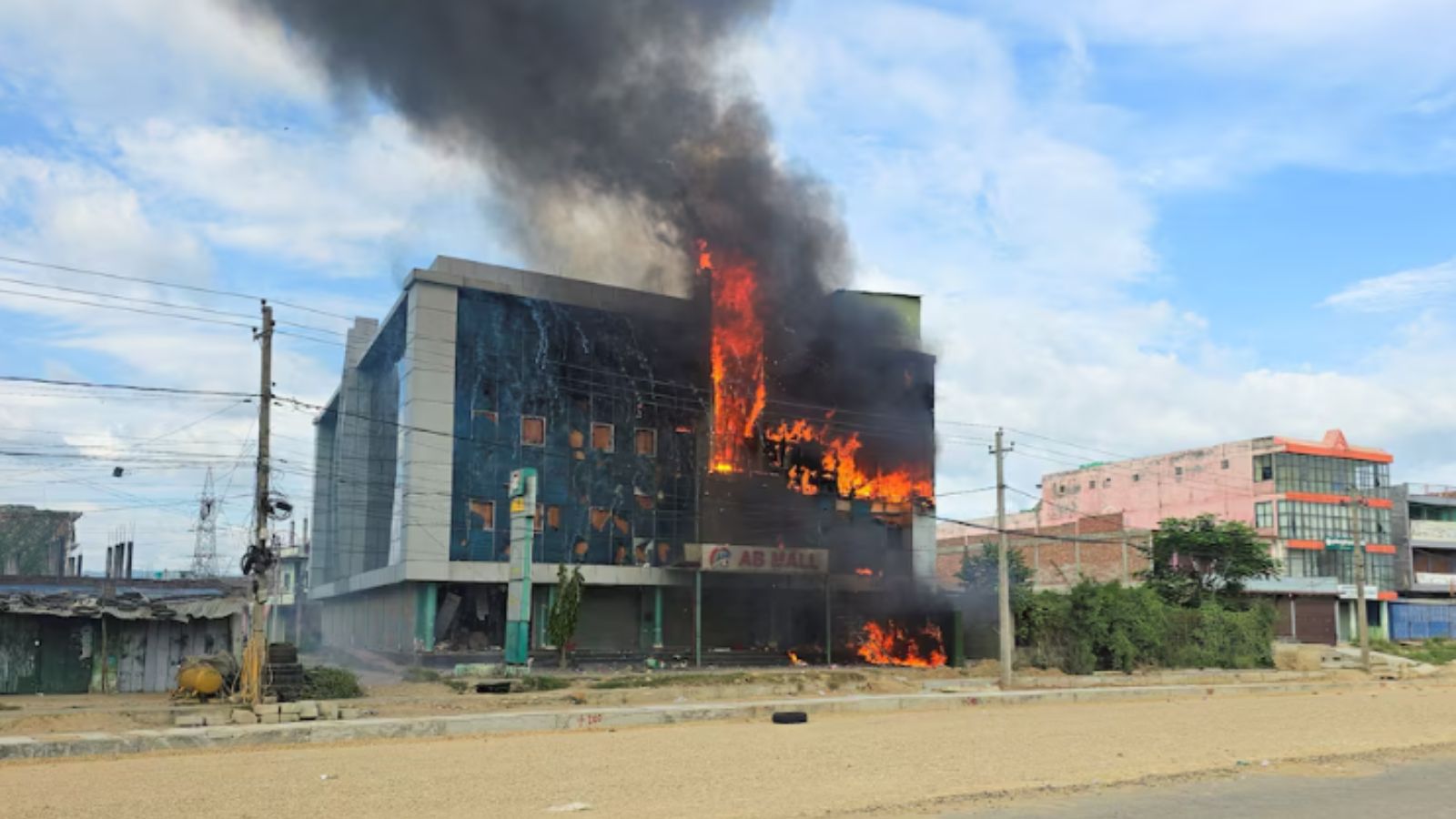
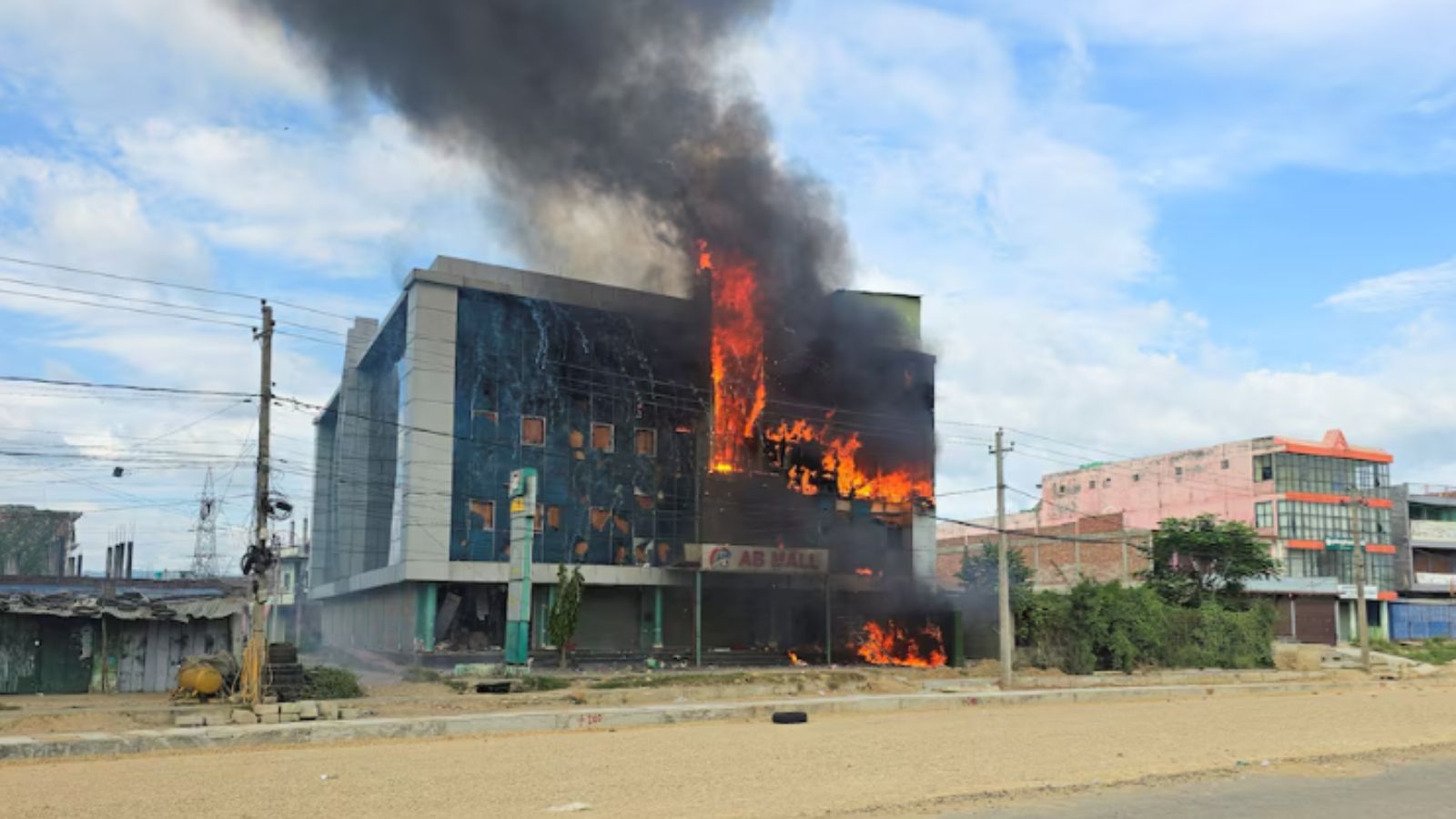
Two districts in southeastern Nepal, neighbouring India in Nepal remained under curfew this week after communal clashes between two communities left at least three people dead.
The violence began in Sunsari district near the India-Nepal border before spreading to neighbouring Siraha and triggering protests and restrictions in Saptari and Dhanusha, according to Reuters.
How the violence broke
The violence began on the night of July 26 in Kaptanganj, a market area in Dewanganj Rural Municipality of Sunsari district, a few kilometres from the Bihar border.
The clash broke out between the two communities over loudspeakers and a religious procession. Tensions escalated after the other side objected to loud music being played, which led to an argument. A group of people resorted to stone-pelting, escalating the violence.
Police first fired warning shots before opening fire to disperse the crowd. Two men were killed in Sunsari. A third man died on July 30 during fresh clashes in Siraha’s Golbazar despite a curfew. At least 25 people were injured in the initial violence, Reuters reported.
Authorities imposed an indefinite curfew in several towns to prevent further violence. No fresh clashes were reported on Friday.
A familiar flashpoint
The violence between the two religious communities in Sunsari and Siraha districts is the latest the region has seen over the years. However, the roots of the violence have traditionally been ethnic and political than religious, according to Nepal News.
Story continues below this ad
The report said that the Gaur massacre in 2007 left 26 people, mostly Maoist-linked cadres, dead in clashes with Madhesi activists. Kapilvastu, another district neighbouring India, saw days of rioting in 2007 between Madhesi and hill-origin Pahadi communities, killing 18 people.
The latest violence, however, involves the minority Muslim community, which accounts for around 5 per cent of the country’s population. The share of the community is significantly higher in several Terai districts, including Sunsari, Dhanusha, Parsa and Sarlahi, where Hindu and Muslim communities often live in proximity.
Nepal became a secular republic under the 2015 Constitution, ending its status as the world’s only Hindu kingdom. However, the issue remains politically contentious. The Rastriya Prajatantra Party continues to campaign for restoring Nepal as a Hindu state.
Political response
Prime Minister Balendra Shah appealed for calm in a televised address on July 30, saying the government would conduct an impartial investigation and bring those responsible to justice, Reuters reported.
Story continues below this ad
Home Minister Sudan Gurung visited the families of the two men killed in Sunsari and announced compensation of about Nepali Rs 8 lakh for each family. He was also expected to visit the family of the man killed in Siraha, according to Reuters.
Former prime minister Pushpa Kamal Dahal urged dialogue in Parliament and criticised the government’s handling of the situation, The Kathmandu Post reported. Opposition parties and Madhesh-based leaders have also demanded a judicial inquiry headed by a retired Supreme Court judge.
Stay updated with the latest – Click here to follow us on Instagram
