





How the Iran war depleted America’s most powerful missile arsenal

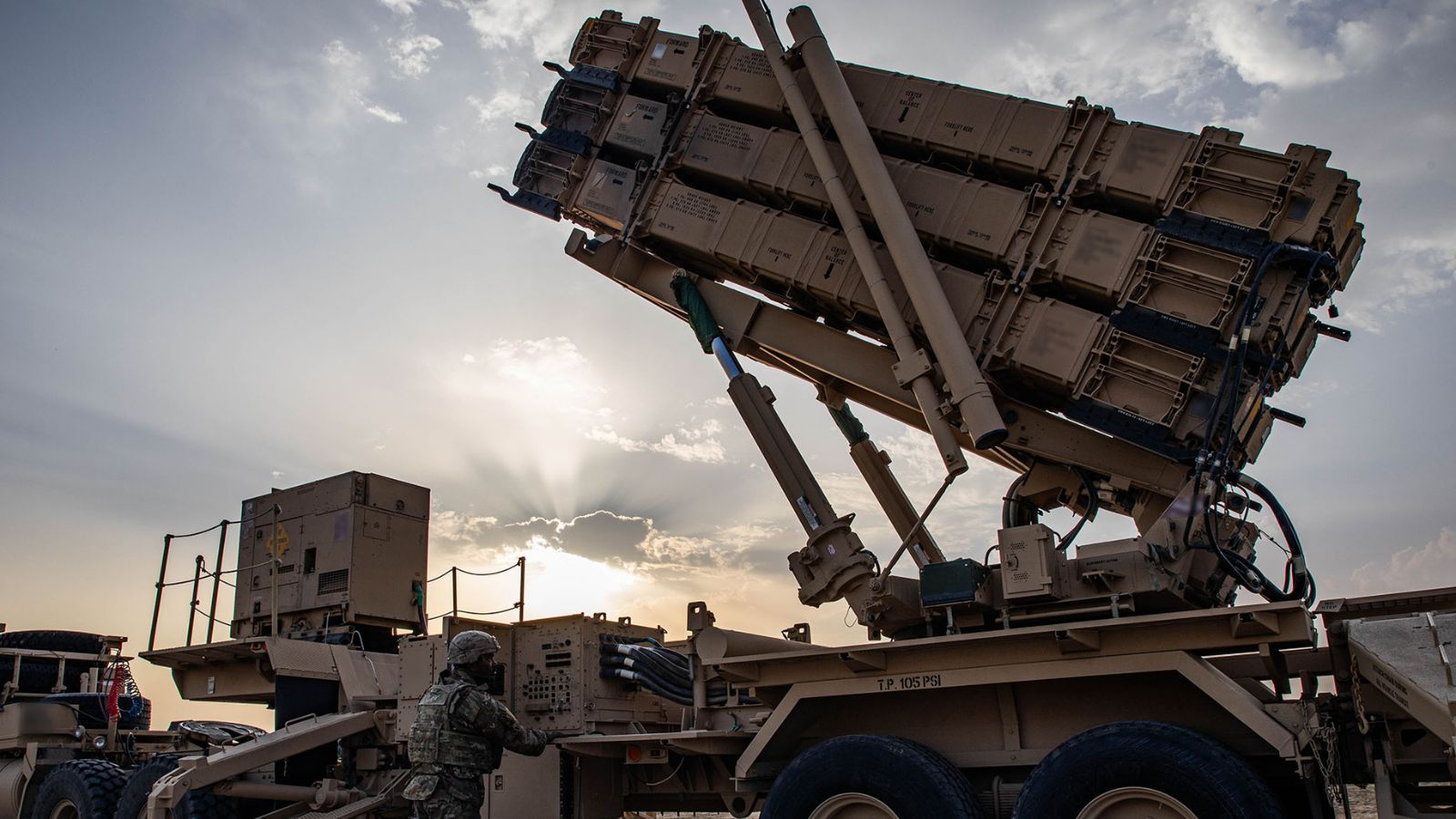
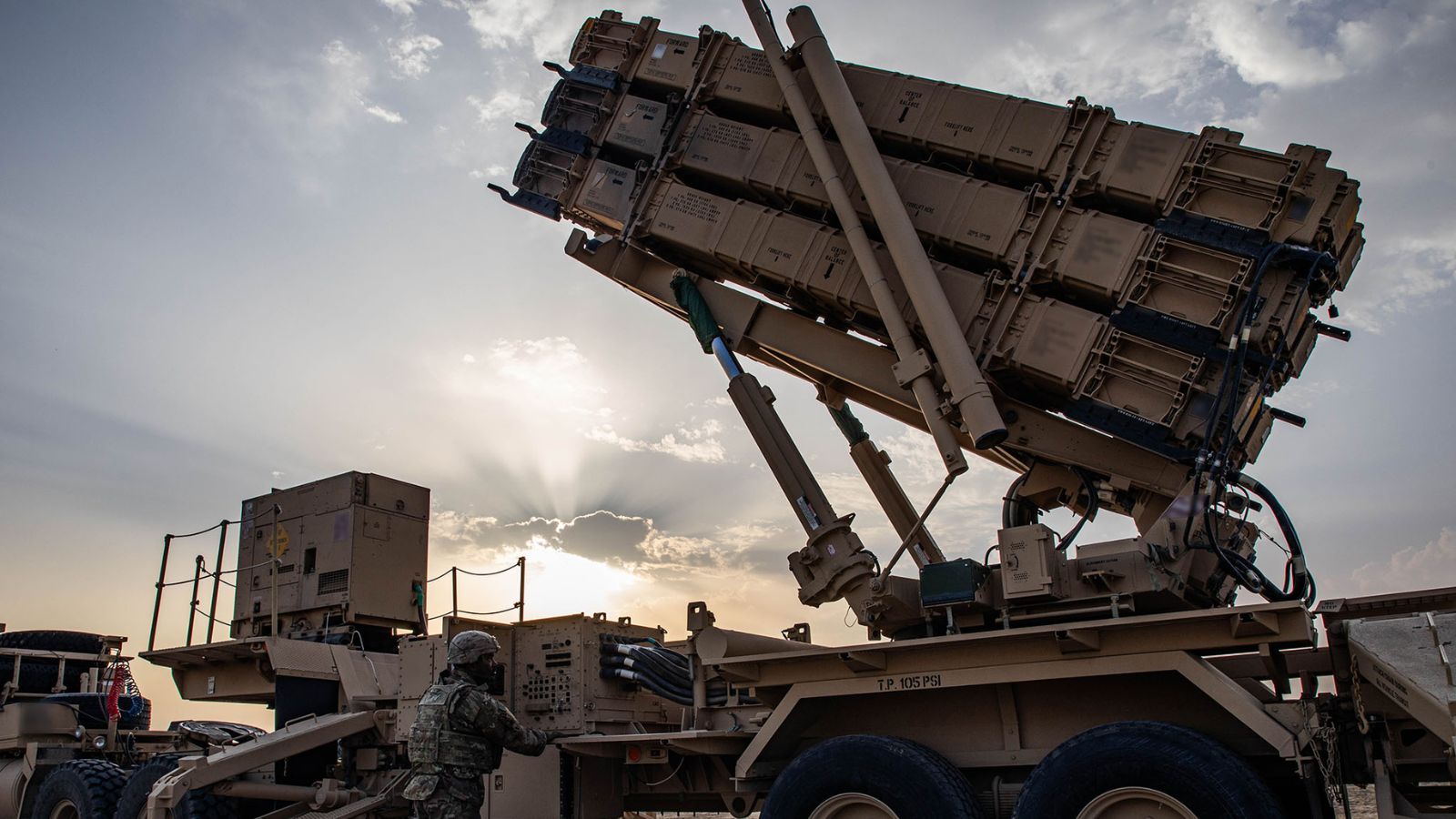
The US military has used nearly all of its most accurate long-range missiles during the five-month war with Iran, raising concerns inside the Pentagon about whether America is prepared for another major conflict, news agency Reuters reported.
The report said the weapons most affected are the Army Tactical Missile Systems (ATACMS) and the newer Precision Strike Missiles (PrSM), both of which are surface-to-surface missiles used for precision strikes from long distances. Two sources told Reuters that the US has used “virtually all” of these missiles during the conflict.
The extent of the depletion of the ATACMS and PrSM stockpiles had not been reported previously, the report added.
Why the missile shortage matters
ATACMS and PrSM are considered among the US military’s most important long-range strike capabilities. They enable forces to hit targets accurately from safer distances and have also played a significant role in the Ukraine war, where US-supplied ATACMS were used by Ukrainian forces to strike targets inside Russia.
The PrSM is the next-generation replacement for the ATACMS, offering greater range and improved capabilities. Defence analysts reportedly told Reuters that these weapons would also be crucial in the event of a conflict with China.
None of the sources disclosed the exact number of missiles remaining in the US inventory, the report mentioned.
Concerns over prolonged conflict
US President Donald Trump launched the war with Iran alongside Israel in February, expecting it to be brief. However, as the conflict has continued for five months, officials familiar with the matter have expressed concern that shrinking missile inventories could weaken the US military’s ability to deter adversaries such as Russia and China.
Story continues below this ad
Reuters cited a fourth source who said while the US Central Command had nearly exhausted the land-based missiles available at the start of the war, it has been replenishing supplies using stockpiles from other military commands around the world.
.
World · US Defence · Explainer
How the Iran war has depleted America’s missile arsenal
Five months of war has drawn down key US missile stockpiles, analysts estimate — raising readiness questions for other theatres. The figures are estimates, and the White House disputes the picture.
.Estimates · CSIS / Reuters · disputed
Share of stockpile reportedly drawn down
Estimates: ATACMS and PrSM “virtually all” used per Reuters sources; Patriot (~65%) and THAAD (~38% lower) per CSIS; Tomahawk “a little less than half” per a Reuters source (Reuters could not independently verify the ATACMS/PrSM or Tomahawk numbers). PrSM stock was already limited — it is a new system. Bars are indicative; different metrics (share used vs inventory decline) are shown together.
The missiles running low
ATACMS
Range: up to ~300 km · Role: surface-to-surface precision strike
Status: “virtually all” reportedly used
PrSM
Range: ~400–500 km (more in later versions) · Role: next-gen precision strike (replacing ATACMS)
Status: “virtually all” used; stock was limited (new)
Patriot
Type: air-defence interceptor · Role: shoots down aircraft & missiles
Status: ~65% of inventory expended (CSIS)
THAAD
Type: high-altitude interceptor · Role: ballistic-missile defence
Status: inventory ~38% lower (CSIS)
Tomahawk
Range: ~1,600 km · Role: ship-launched cruise missile
Status: nearly half of global supply used (Reuters source)
Ranges are approximate and vary by variant. Patriot and THAAD are interceptors (defensive); ATACMS, PrSM and Tomahawk are strike weapons.
Why it matters
Iran
CSIS says there are enough munitions for the current war — the concern is what’s left for the next one.
China / Indo-Pacific
The bigger worry: a “window of vulnerability” for a Western Pacific conflict, where these same missiles would be decisive.
Ukraine
Kyiv relies on the same Patriots and ATACMS — competing demand strains an already thin supply.
Readiness
Rebuilding Patriot, THAAD and Tomahawk stocks could take three or more years at current production rates.
Assessment per CSIS analysts Mark Cancian and Chris Park; corroborated by CNN and Reuters sources familiar with Pentagon data.
The other side of the ledger
The US has “far more munitions than anyone in the world” and “far more than we need” — with defence firms making more munitions “than they have ever made before.”
— President Donald Trump, White House statement
America’s military “has everything it needs to execute at the time and place of the President’s choosing… a deep arsenal of capabilities to protect our people and our interests.”
— Sean Parnell, chief Pentagon spokesperson
The administration rejects the “depletion crisis” framing and has blamed earlier shortfalls on the previous administration, pointing to record production and plant expansion. Raytheon has reportedly reached a tentative multi-year deal with the Pentagon to ramp up Tomahawk output, and CENTCOM has been replenishing land-based missiles from other commands.
Analysts partly agree: several munitions are being produced at record levels. But they caution that output could still fall short for a prolonged or peer-level war, and that the figures above are estimates the Pentagon has not confirmed on the record.
Manufacturers Lockheed Martin (ATACMS, PrSM, THAAD) and Raytheon (Tomahawk, Patriot) did not immediately comment on the reported figures.
Sources: CSIS (Mark Cancian, Chris Park) · Reuters · CNBC · CNN · Military Times · White House statement. Figures are analysts’ estimates using public data; some could not be independently verified, and the Pentagon has not confirmed them on the record.
.
White House and Pentagon defend US military capabilities
According to the report, the White House shared a statement from Trump asserting that the United States still possesses more munitions than any other country.
“Our defense companies are, at this moment, making more munitions than they have ever made before, in addition to expanding their plants and equipment at record levels,” Trump reportedly said in the statement.
Analysts acknowledged that production of several categories of munitions, including artillery shells and missiles, has increased significantly. However, they cautioned that manufacturing levels may still be insufficient to sustain a prolonged war.
Story continues below this ad
The Reuters report also mentioned that neither Lockheed Martin, which manufactures the ATACMS, PrSM and the THAAD missile defence system, nor Raytheon, which produces Tomahawk cruise missiles and Patriot missile interceptors, responded to their queries.
However, the report mentioned that Raytheon, a unit of RTX, has reached a tentative multi-year agreement with the Pentagon to increase production of Tomahawk missiles as part of broader efforts to rebuild US weapons stockpiles.
Meanwhile, the report also quoted Pentagon chief spokesperson Sean Parnell, who said the US military remains fully capable of carrying out operations worldwide. “America’s military is the most powerful in the world and has everything it needs to execute at the time and place of the President’s choosing. We have executed multiple successful operations across combatant commands while ensuring the US military possesses a deep arsenal of capabilities to protect our people and our interests,” he reportedly said.
Internal discussions over dwindling stockpiles
According to Reuters, data on declining missile inventories has circulated within the federal government over the past week, triggering discussions inside the Trump administration over how long the US can continue military operations against Iran without reducing stockpiles to levels that could affect responses to other global crises.
Story continues below this ad
Reuters further cited a source who said that the heavy use of ATACMS and PrSM reflected the administration’s preference for long-range precision strikes instead of riskier air operations involving piloted aircraft.
A report published in March by the Center for Strategic and International Studies (CSIS), cited by Reuters, said these missiles had already been used to strike targets inside Iran. The report also noted that PrSM inventories were limited because the missile is relatively new, although the US military has placed large procurement orders for 2027. Meanwhile, the Army has reportedly said that ATACMS production is being phased out in favour of the PrSM.
Defensive missile inventories also under pressure
Reuters reported that military officials have also warned President Trump in recent weeks about declining stocks of defensive weapons, particularly Patriot missile interceptors, which are used to counter ballistic missile threats.
Several media reports last week suggested Trump decided against launching another major offensive against Iran after advisers warned about shrinking weapons inventories. However, a US official disputed that and reportedly told Reuters that the decision was influenced by pressure from Gulf states.
Story continues below this ad
The ongoing conflict has also intensified debate in Washington over the President’s authority to continue military operations against Iran without congressional authorisation. Reuters noted that no declaration of war or authorisation for the use of military force has been submitted to Congress.
Patriot, THAAD and Tomahawk stocks decline
A CSIS report released last week estimated that between February and July, around 65 per cent of US Patriot interceptor missiles had been used, while THAAD interceptor stockpiles had fallen by at least 38 per cent compared to levels at the beginning of the conflict.
Although Reuters said it had not independently reviewed the internal supply figures, two sources confirmed the organization that the CSIS estimates broadly matched government data.
The report further cited a source who said the US has used slightly less than half of its global stockpile of Tomahawk cruise missiles since the war began; however, this too was not independently verified by Reuters.
Story continues below this ad
Tomahawk missiles, launched primarily from Navy destroyers, cruisers and submarines, remain one of the US military’s principal long-range strike weapons against heavily defended targets.
