





Applying for US Green Card? One missing document could now lead to immediate rejection

2 min readUpdated: Aug 6, 2026 08:28 PM IST
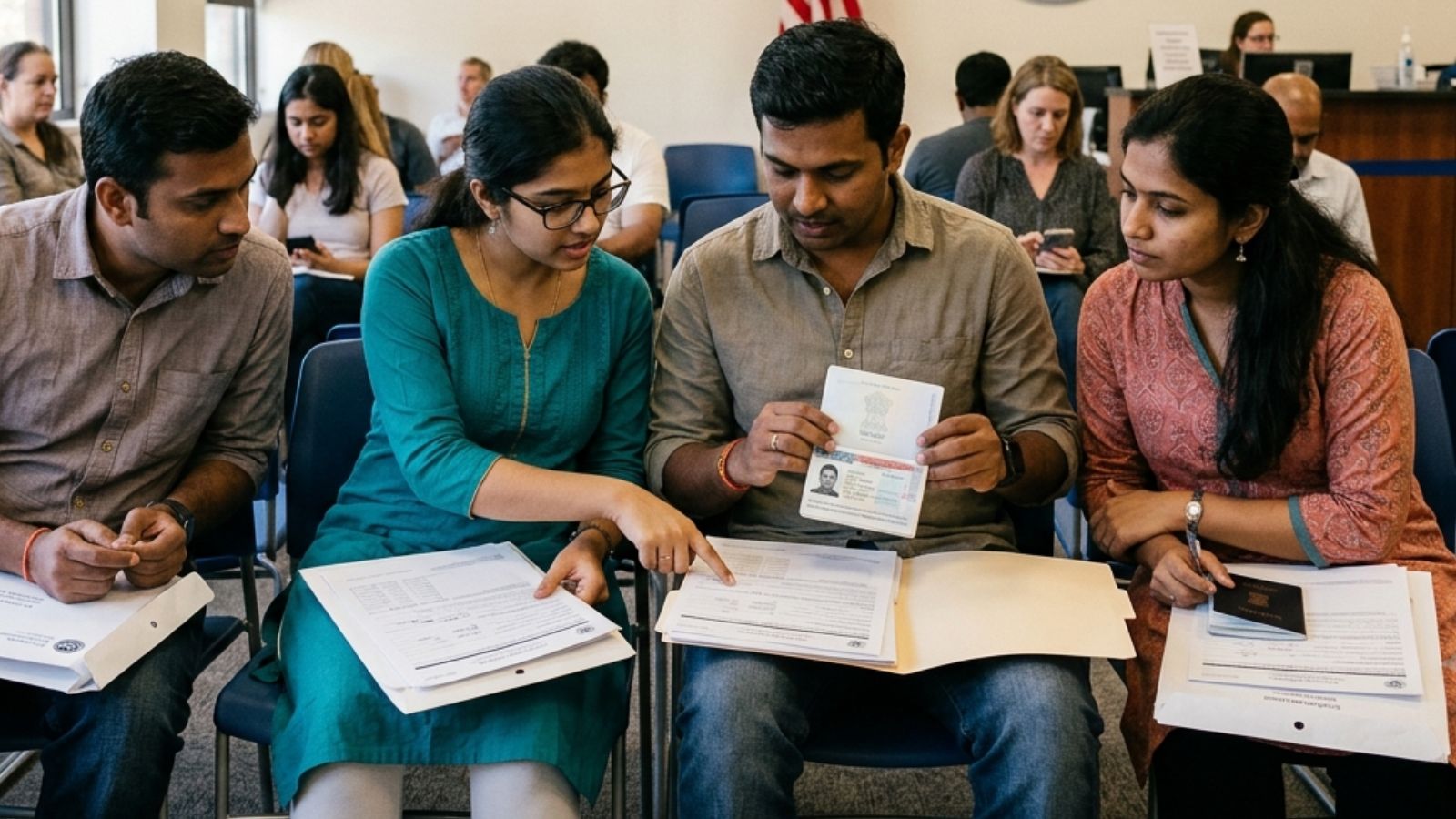
The United States has tightened immigration processing rules, allowing immigration officers to reject incomplete applications for Green Cards, work permits and other immigration benefits without first asking applicants to submit missing documents. The change could affect thousands of Indians applying to study, work or settle in the US.
USCIS officers now have greater discretion to deny applications immediately when required initial evidence is missing. The agency says the burden remains on applicants to prove eligibility when they file.
The policy could affect Indian applicants seeking employment-based Green Cards, H-1B extensions, family-based immigration benefits and adjustment-of-status applications, all of which often involve extensive supporting documentation.
The USCIS, in a press release, clarified that the “benefit requestors should establish eligibility for an immigration benefit at the time they file a benefit request.”
“Generally, if a benefit requestor fails to demonstrate eligibility for a benefit or fails to provide all required initial evidence when filing an application, USCIS may deny their immigration benefit request without first issuing a Request for Evidence (RFE) or a Notice of Intent to Deny (NOID). USCIS form instructions specify all required initial evidence for every benefit request, giving requestors all the information needed to comply,” the statement added.
The USCIS said that the policy better aligns its procedures with long-standing Department of Homeland Security regulatory authority, helps restore integrity to the immigration system, and also makes it more difficult for applicants to file “frivolous benefit requests”.
.
World · US Immigration · Explainer
US immigration rule change: what’s different now?
USCIS can now deny incomplete or insufficient visa, green-card and other benefit applications without first issuing a Request for Evidence (RFE) or Notice of Intent to Deny (NOID) — a shift that could affect many Indian applicants.
.Effective Aug 5, 2026 · pending & new filings
Before vs now
Bottom line: submit a complete application the first time.
USCIS saysit curbs frivolous or “placeholder” filings and speeds up processing for everyone in line.
Critics sayit’s a step back for due process that could penalise genuine applicants over minor errors.
The policy restores officer discretion that existed under a 2018 rule (rescinded in 2021). Even a complete filing can be denied without an RFE if it doesn’t establish eligibility.
Who could be affected
.H-1B applicants
.Green Card applicants
.Student-visa benefit applicants
.Family-sponsored applicants
.Adjustment-of-Status (I-485)
.Work permit (EAD) applicants
.Other USCIS benefit applicants
The change applies broadly to USCIS benefit requests. It does not change the underlying eligibility rules — only when officers may deny without asking for more evidence first.
Understanding the terms
RFE · Request for Evidence
USCIS asks for missing documents or clarification before deciding — effectively a second chance to complete the file.
NOID · Notice of Intent to Deny
USCIS signals it intends to deny the case unless the applicant provides additional evidence within a deadline.
The new rule
USCIS may now deny certain incomplete or insufficient applications without issuing either notice. And if an RFE is sent, officers can set shorter response times (up to 12 weeks, but no longer guaranteed), with less mailing time for applicants abroad.
Applying for a US visa or green card? Do this
.Submit every required document listed in the official form instructions.
.Use the correct form edition and check the USCIS checklist for your benefit.
.Complete your supporting evidence — financial records, civil documents, certified translations, signatures and fees.
.Avoid incomplete or “placeholder” filings — they now carry a real risk of outright denial.
.Review the full application before submitting — and consider an immigration attorney for complex cases.
General information, not legal advice. Rules and required evidence vary by case — check the latest USCIS form instructions at uscis.gov or consult a licensed immigration attorney.
Sources: USCIS policy alert & policy manual update (Aug 5, 2026) · Fragomen · Boundless · Erickson Immigration Group · Tribune India · Open Magazine. A developing policy; confirm specifics against uscis.gov before acting.
.
The move amends Biden-era policy
The new move amends the previous Biden-era policy, which the USCIS said allowed incomplete or substantially deficient applications to remain in the processing queue, delaying decisions on other pending cases.
Story continues below this ad
It also enabled some applicants to submit “placeholder” applications to obtain associated immigration benefits, like employment authorisation, while waiting for a final decision on their case.
The USIC asserted that the new policy update would help allocate resources more efficiently, make decisions more effectively, and prevent the filing of meritless requests.
Stay updated with the latest – Click here to follow us on Instagram
