



Why Pakistan, Saudi Arabia, Turkey are signing a new defence pact

3 min readUpdated: Aug 7, 2026 03:44 PM IST
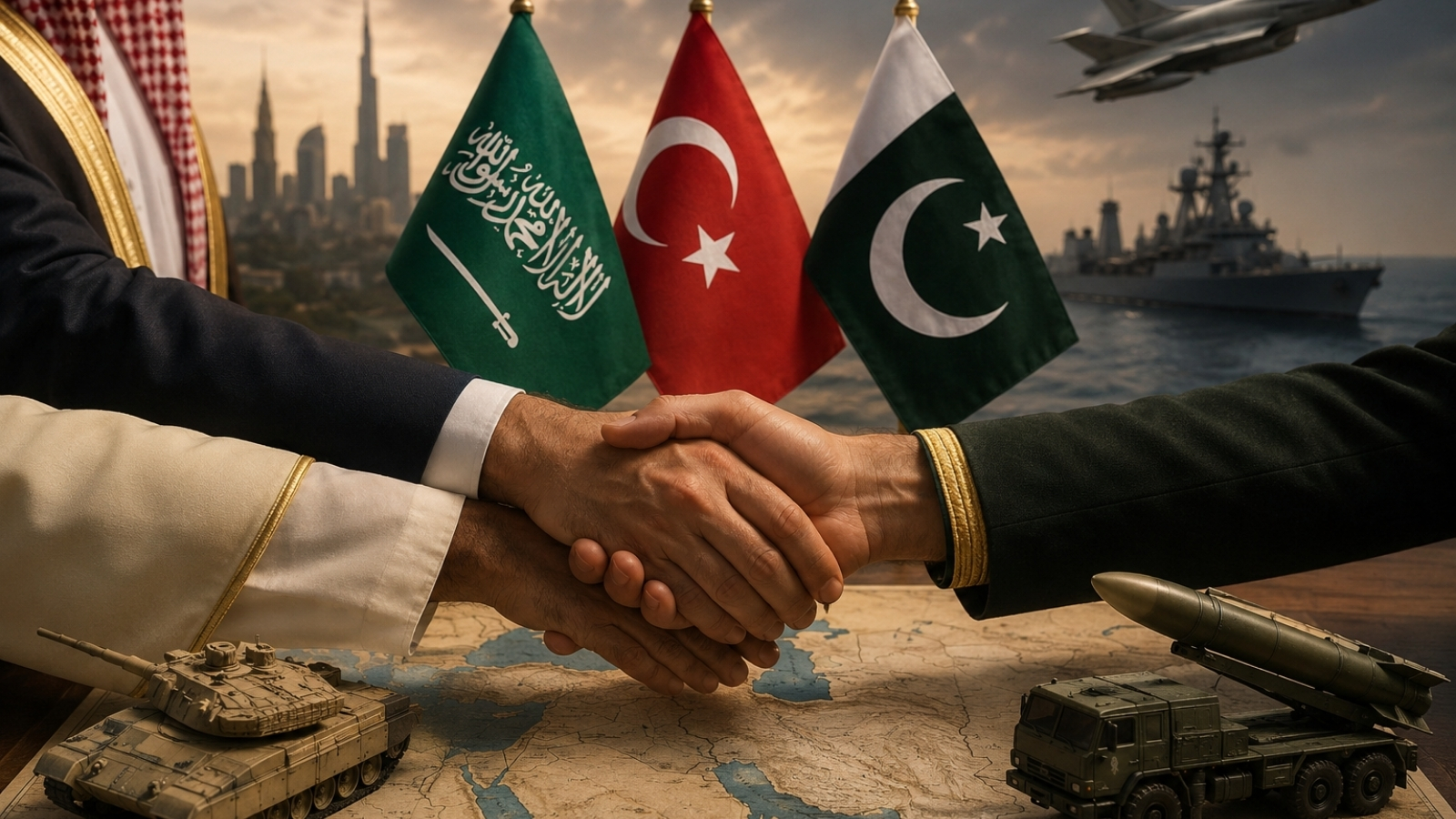
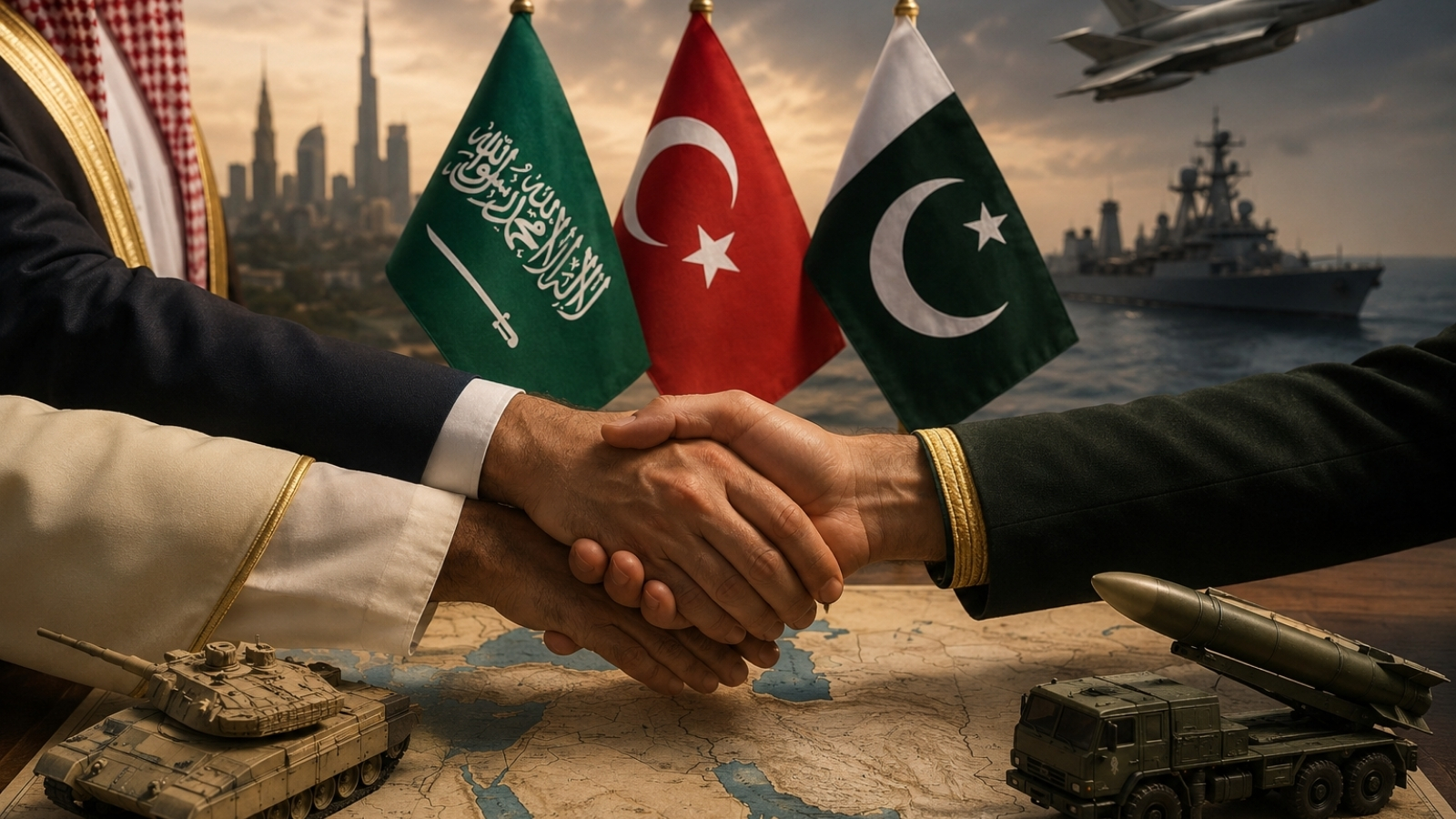
Pakistan, Turkey and Saudi Arabia are set to sign a trilateral defence agreement in Jeddah on Friday, creating a new regional security partnership as the Iran conflict reshapes alliances across the Middle East, news agency Reuters reported.
The agreement comes amid heightened tensions after the US-Israeli military campaign against Iran exposed Gulf security vulnerabilities and disrupted shipping through the Strait of Hormuz. While the pact further strengthens cooperation among the three major Sunni Muslim powers, there was no immediate clarity on what commitments each country would make.
A Turkish official confirmed that the agreement would be signed. Turkey is a NATO member, while Saudi Arabia is a US ally, one of the world’s largest oil exporters and the strongest Gulf state. Pakistan is the only nuclear-armed Muslim country.
The agreement is likely to be closely watched in New Delhi, given Turkey’s growing defence cooperation with Pakistan and Saudi Arabia’s increasing role in regional security.
The three governments have not yet disclosed the contents of the agreement, and it remains unclear whether it includes mutual defence commitments, intelligence sharing or joint military exercises.
Erdogan, Sharif and MBS to attend signing
Turkish President Tayyip Erdogan and Pakistani Prime Minister Shehbaz Sharif, accompanied by army chief Asim Munir, will meet Saudi Crown Prince Mohammed bin Salman in Jeddah for the signing.
The agreement follows nearly a year of negotiations, which Reuters reported on in January. It also comes as the Iran war exposes security vulnerabilities among Gulf states and disrupts shipments of oil and other key goods through the Strait of Hormuz.
Story continues below this ad
Turkish Foreign Minister Hakan Fidan said in January that Ankara favoured a broader regional security platform aimed at promoting cooperation and stability.
Saudi Arabia and Pakistan already have an agreement under which an attack on either country is treated as an attack on both. The pact encompasses “all military means”, a Saudi official previously told Reuters.
The Pakistani military and government did not immediately respond to requests for comment. The Saudi government also did not immediately respond to a request for comment.
The three partners
Saudi Arabia
Gulf’s biggest military spender Strategic Red Sea & Gulf location
Turkey
NATO member Major drone & defence exporter
Pakistan
Only nuclear-armed Muslim-majority state Long-standing ties with Riyadh
▼ ▼ ▼
🎯 Shared Focus of the Pact
🛡 Regional security
🤝 Defence cooperation
⛽ Strait of Hormuz
⚠️ Countering regional threats
The triggers behind the pact
Context
A region in flux — and nearly a year of back-channel negotiations
The pact has been in the works for close to a year, but its signing has been accelerated by a rapidly shifting security environment in the Middle East — from the Iran conflict reshaping Gulf dynamics to disruptions along the world’s most critical energy corridor.
🇮🇷
Iran conflict reshaping regional security
The US-Iran-Israel confrontation has upended Gulf security calculations, pushing Riyadh, Ankara, and Islamabad to formalise their own security framework.
⛽
Strait of Hormuz disruptions
Attacks on tankers and shipping disruptions through the strait — through which ~20% of global oil flows — have raised the urgency of coordinated maritime security.
🌊
Rising Gulf security concerns
Escalating tensions across the Gulf have exposed gaps in regional security architecture that no single country can plug alone.
🛡
Growing military cooperation
Existing bilateral ties between all three countries have been deepening — the trilateral pact formalises what has already been building on the ground.
📅
Nearly a year of negotiations
Talks have been underway for close to a year — the Jeddah summit marks the conclusion of an extended diplomatic process, not a sudden move.
Leaders at the Jeddah Summit
The Signing
Four leaders at the table — including Pakistan’s military chief
The summit in Jeddah brings together the heads of government of all three countries. Notably, Pakistan’s Army Chief Gen. Asim Munir is attending alongside Prime Minister Shehbaz Sharif — signalling the military’s central role in the pact from Islamabad’s side.
🇸🇦
Mohammed bin Salman
Crown Prince & Prime Minister, Saudi Arabia
🇹🇷
Recep Tayyip Erdogan
President, Turkey
🇵🇰
Shehbaz Sharif
Prime Minister, Pakistan
🇵🇰
Gen. Asim Munir
Chief of Army Staff, Pakistan
How closely do they already cooperate?
Defence pact Military training Security cooperation
Defence exports Naval cooperation Drone collaboration
Improving strategic ties Regional security dialogue
What we know — and what remains unclear
✅ Confirmed
❓ Unknown
Pact to be signed in Jeddah
Erdogan, Sharif & Gen. Munir attending
Talks underway for nearly a year
Regional security as central focus
Exact defence commitments
Intelligence-sharing details
Joint military exercises
Mutual defence obligations
Source: The Indian Express
Stay updated with the latest – Click here to follow us on Instagram
