




Strait of Hormuz talks: What are Iran’s conditions for reopening the waterway?

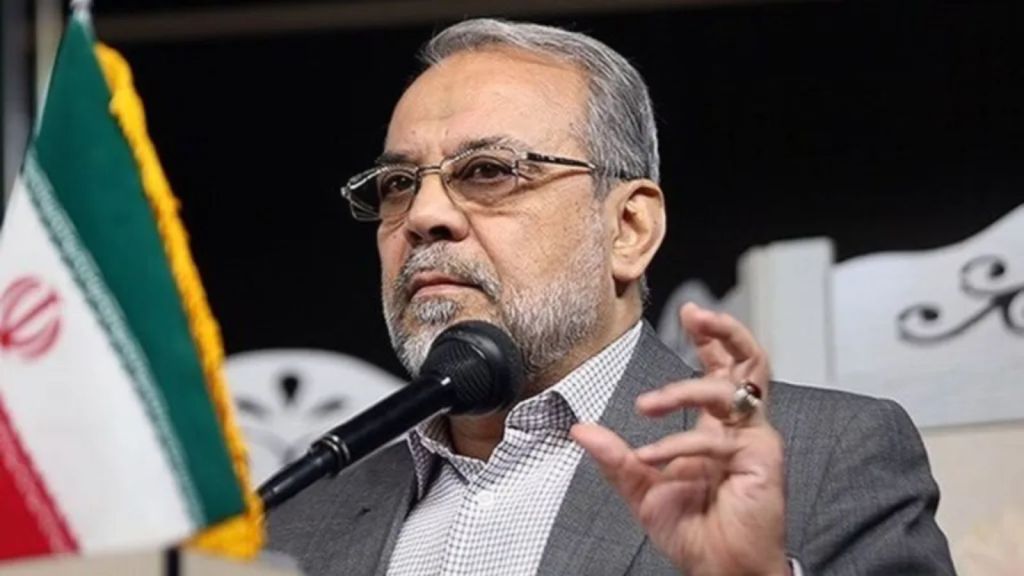
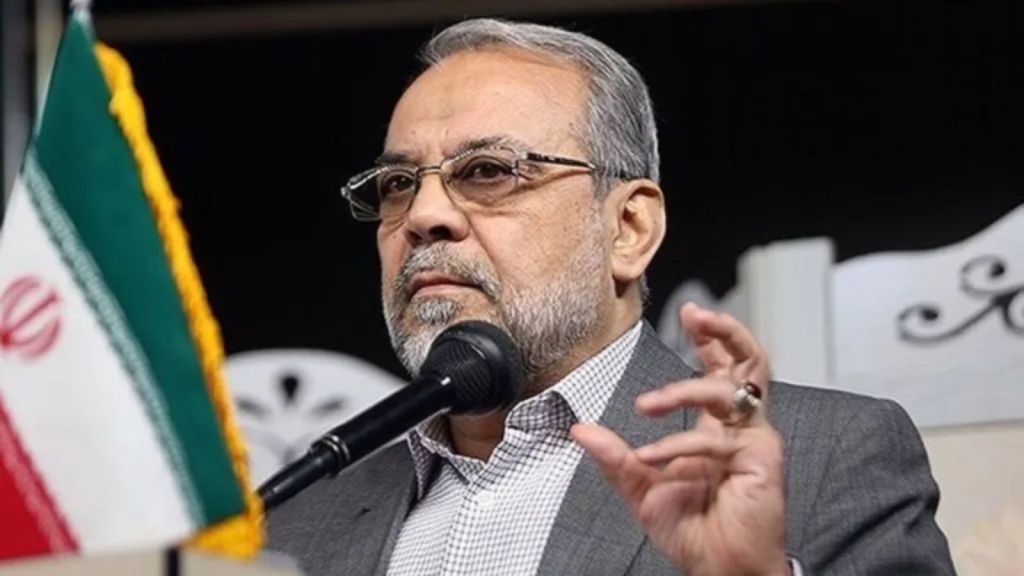 Mohammad Bagher Zolghadr, a former Iranian Revolutionary Guard commander. (File Photo)
Iran has laid out a sweeping set of demands that it says the United States must meet before the Strait of Hormuz can reopen, complicating diplomatic efforts involving Tehran, Washington and Oman over the strategic waterway.
Mohammad Bagher Zolghadr, secretary of Iran’s Supreme National Security Council, said the Strait would remain closed unless the US lifts its naval blockade and sanctions, withdraws forces from the region and compensates Iran for war damage, among other conditions.
The demands come even as Iranian Foreign Minister Abbas Araghchi says Tehran and Oman are “very close to an agreement” on arrangements for the Strait. The contrasting messages highlight the uncertainty over whether a deal on maritime traffic can be reached without resolving the wider US-Iran dispute.
Zolghadr also called for an end to US attacks on Iran’s regional allies and to threats against Tehran. He struck a defiant tone, saying the Security Council “will never give up, whether in war or in negotiations.
What does Iran want?
- Lift the US naval blockade and restrictions on Iranian ports and shipping.
- End US sanctions against Iran.
- Compensate Iran for war-related damage.
- Withdraw US forces from around Iran and the region.
- End attacks on Iran and its regional allies.
- Release frozen Iranian assets.
- End threats and hostile rhetoric against Tehran.
Some Iranian statements have grouped these demands differently, but together they amount to a sweeping set of political, military and economic conditions for reopening the waterway.
Story continues below this ad
The demands overlap with positions Tehran has previously raised in negotiations over ending the wider conflict, including sanctions relief, the release of frozen assets and compensation for war damage. What is significant now is that Iran is explicitly tying these concessions to the reopening of the Strait.
How has the US reacted?
US Vice President JD Vance struck a cautiously hopeful note on talks between Iran and Oman, though he made clear the situation remains unresolved. Speaking to Fox News, Vance said the US is applying “diplomatic, economic, military tools” to secure the best outcome, while stressing the conflict is “not over.”
The White House has not yet issued a public response to Iran’s new demands.
What is Iran saying about the Oman talks?
Iranian Foreign Minister Abbas Araghchi struck a more upbeat tone on separate talks with Oman, saying the two sides were “very close to an agreement.”
Story continues below this ad
However, he added that success depends on the US honouring a memorandum of understanding signed by both countries in June.
Why does the Strait matter so much?
The Strait of Hormuz is a narrow but vital waterway carrying a large share of the world’s oil supply. It has been effectively shut since Iranian strikes began in the Gulf, triggering a global energy shock, pushing up fuel prices and fuelling worldwide inflation fears.
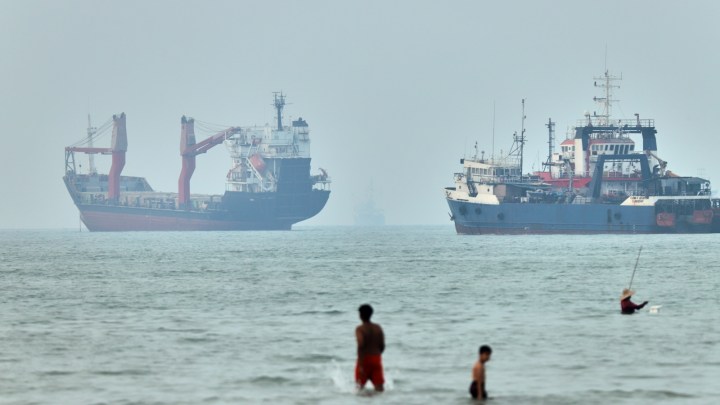
Talks between Iran, Oman and the US remain ongoing, with no formal agreement announced yet. With tensions high and Tehran’s demands growing tougher, the coming days could prove decisive for whether the strait reopens soon or the standoff drags on further.
(With inputs from agencies)
