


‘Can’t seize by tweet’: Iran mocks Trump after ‘will claim Hormuz’ threat

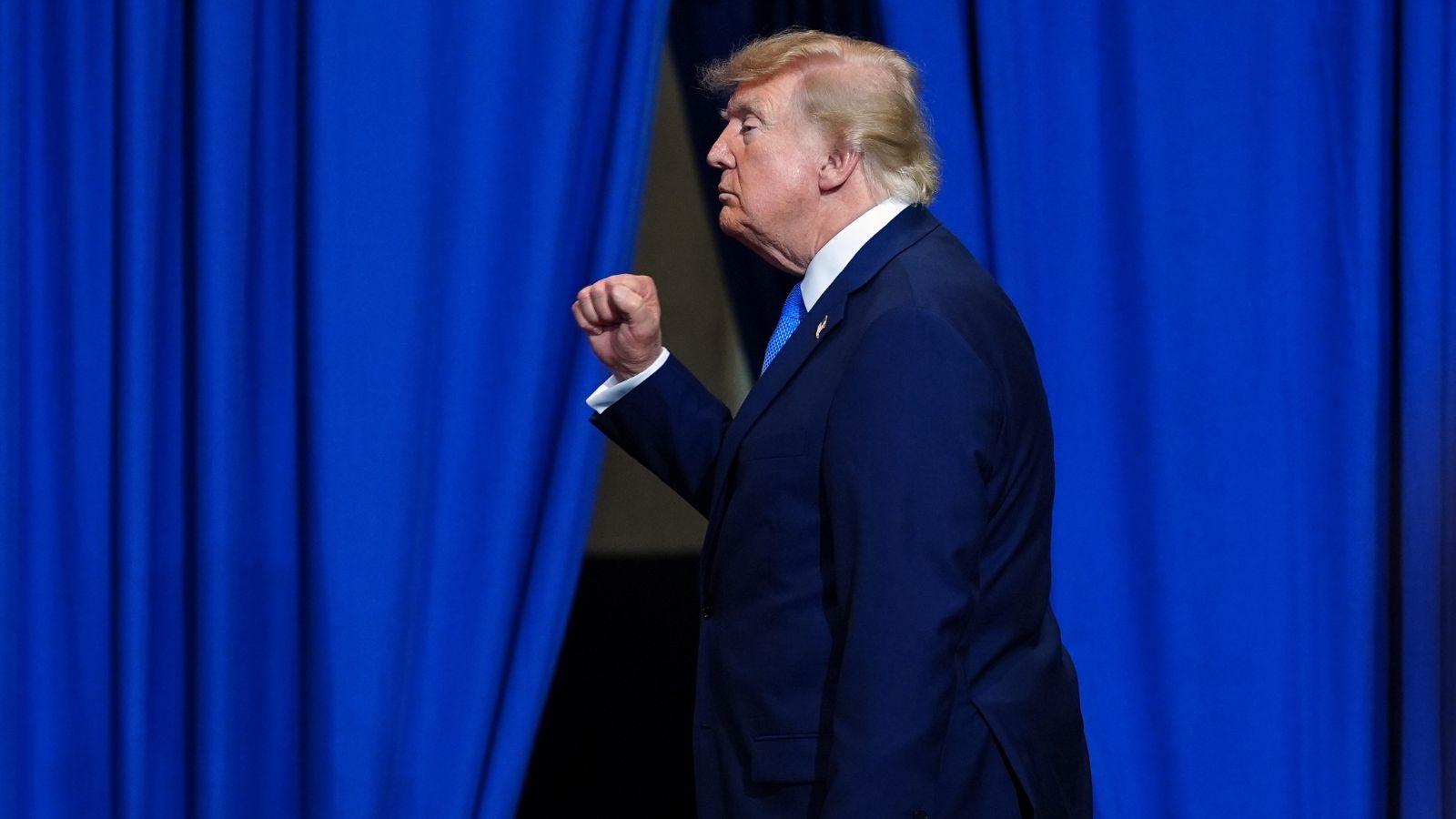
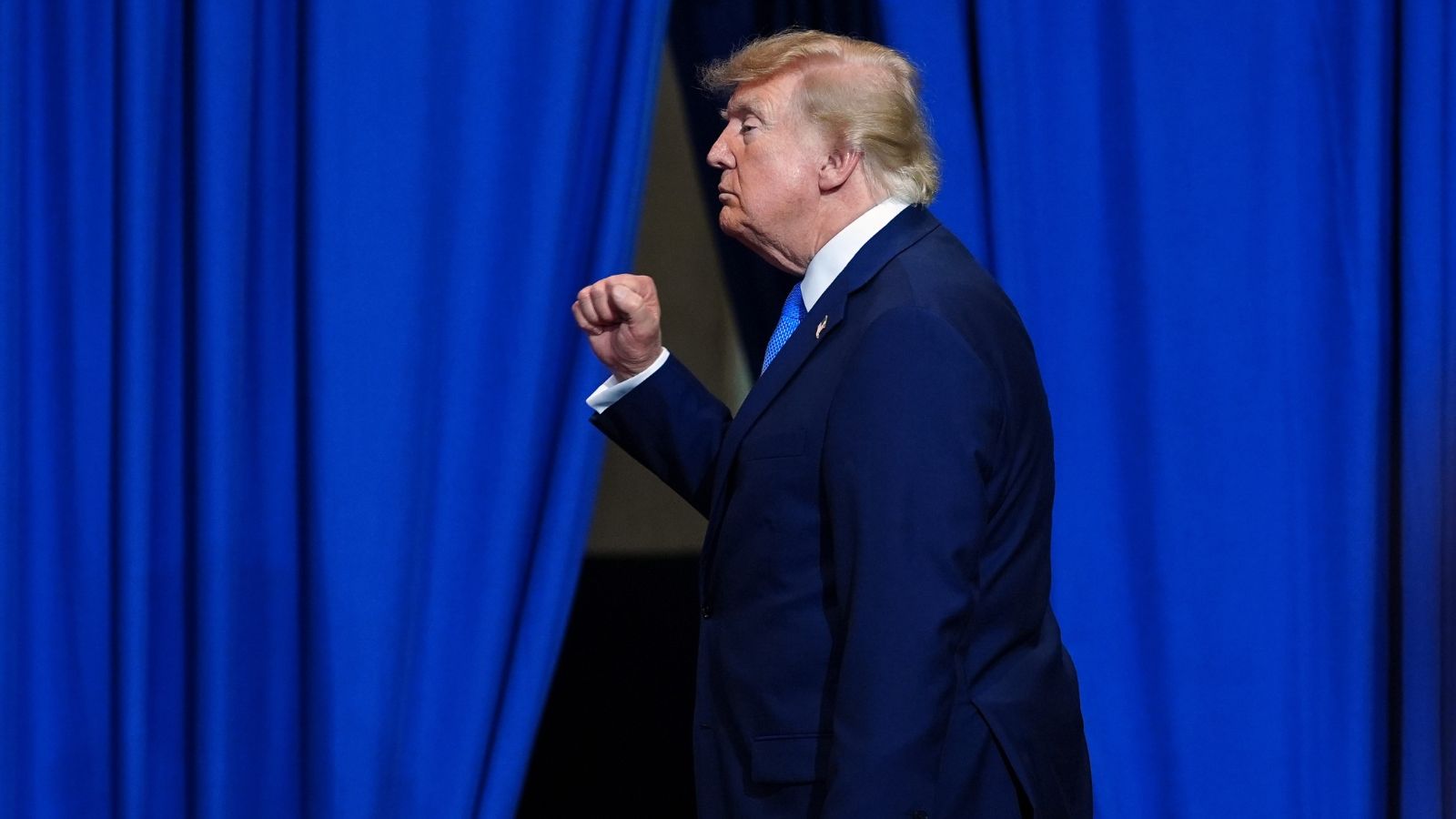
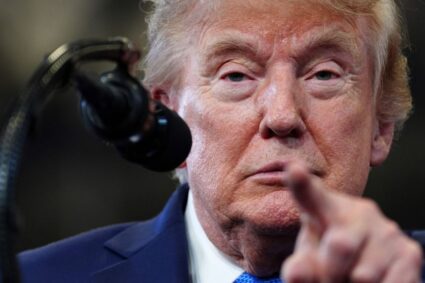
US President Donald Trump has said that he will soon declare the Strait of Hormuz to be United States territory, raising tension over the important sea route that carries a large part of the world’s oil. He told Americans to accept higher petrol prices as the cost of standing up to Iran.
Trump said the Hormuz claim would come once the US finishes what he called “defeating” Iran. He told reporters he would soon be “declaring the Hormuz Strait a territory of the United States,” though he did not explain how or when this could actually happen.
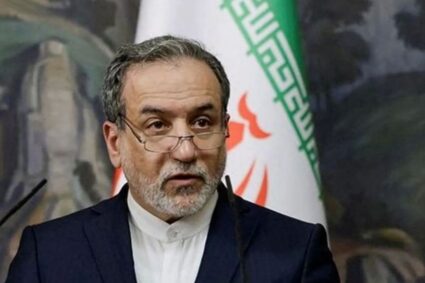
However, Iran’s deputy foreign minister has responded directly to Trump’s latest escalation of rhetoric against Iran, in which he said that he will declare the Strait of Hormuz a US territory after Iran’s defeat.
“The Strait of Hormuz cannot be seized by tweet, nor by aircraft carrier, nor by issuing an order, nor by an election speech. Iran neither fears threats nor cowers before displays of power,” Kazem Gharibabadi said in a post on X.
“The Strait of Hormuz has been Iranian, is Iranian, and will remain Iranian; this strait will only be closed and opened under Iran’s command, and as long as you do not accept the reality of defeat and cease your fanciful delusions, Iran will continue to enforce the blockade,” he added.
Story continues below this ad
The comment came as talks between the US and Iran remain stuck. The two sides have been in conflict for nearly six months and have not been able to agree on a deal to end it.
Why does Trump say the Strait of Hormuz will become US territory?
Trump made the claim while talking about the ongoing conflict with Iran, saying the move would follow what he described as Iran’s defeat.
“Pretty soon I’ll be declaring the Hormuz Strait a territory of the United States.”
President Trump floats a dramatic move involving the strategically critical waterway as he says Iran is being “very badly defeated.” pic.twitter.com/zXJhCfOIqH
— Fox News (@FoxNews) August 14, 2026
He gave no details on the legal or military steps such a move would require, and no other US official has explained how the country could actually take control of a strait that runs through Iranian and Omani waters.
What tough economic measures is Washington planning against Iran?
Trump also told Fox News that Washington would hit Iran hard on the economic front. This followed comments from US Treasury Secretary Scott Bessent, who said on Thursday that new measures against Tehran, unlike anything seen before, could come as soon as next week.
Trump has kept up pressure on Iran over its nuclear programme and has continued to defend the US military strikes on the country, saying he stands by the decision to attack.
Story continues below this ad
Why does Trump want Americans to accept higher petrol prices?
Speaking at an event in Garden City, New York, Trump asked Americans to accept slightly higher petrol prices, calling it the price of stopping Iran from getting a nuclear weapon.
He said the US effort was good for the whole world, not just for Americans, and that people paying a little more at the pump should understand the bigger reason behind it.
On the rising cost of fuel, Trump was blunt, saying simply, “I’ll never apologise. I did the right thing.”
Since Trump had promised during his campaign to bring energy costs down. Democrats are already using the higher fuel prices as an issue ahead of the November midterm elections.
Story continues below this ad
Why is the Strait of Hormuz so important to global oil supply?
About one-fifth of the world’s oil and gas shipments normally pass through the Strait of Hormuz, making it one of the most important routes for global energy supplies.
The chance of a long blockade has already pushed oil prices up this week, with Brent crude nearing $90 a barrel and US petrol prices climbing to around $4 a gallon.
Oil prices rose again after new attacks on tankers and no sign of progress in ceasefire talks. Brent crude settled at $88.52 a barrel, up $1.45, while US crude (WTI) closed at $82.40, up $1.15. Both were heading for strong weekly gains. Analyst Andrew Lipow said the market was rallying going into the weekend because of the tanker attacks and the stalled peace talks, and warned that a serious reckoning could follow if shipping through Hormuz stays blocked.
How is Iran responding to Trump’s claim over Hormuz?
Iran’s Foreign Minister, Abbas Araghchi, also spoke out, saying that the recent memorandum of understanding signed in Islamabad marked the end of the war, not a temporary ceasefire. He accused the US of breaking that agreement, which is why fighting started again, and said there had been no 60-day truce that needed extending.
Story continues below this ad
Araghchi said no decision had yet been made on going back to talks with the US, though he noted that Qatar and Pakistan, acting as go-betweens, were staying in touch with Iran. He added that the old communication channels no longer worked and that a new one would need to be set up.
Meanwhile, Araghchi said talks between Iran and Oman about jointly managing the Strait of Hormuz were technical discussions between experts and armed forces from both sides, focused on working out shipping routes through the strait, and added that these talks “may reach a conclusion soon.” He was clear that this was a completely separate matter from the ceasefire talks with Washington.
