





Trump’s health under scrutiny: Cardiologist raises 7 questions about his care

3 min readUpdated: Aug 15, 2026 04:11 PM IST
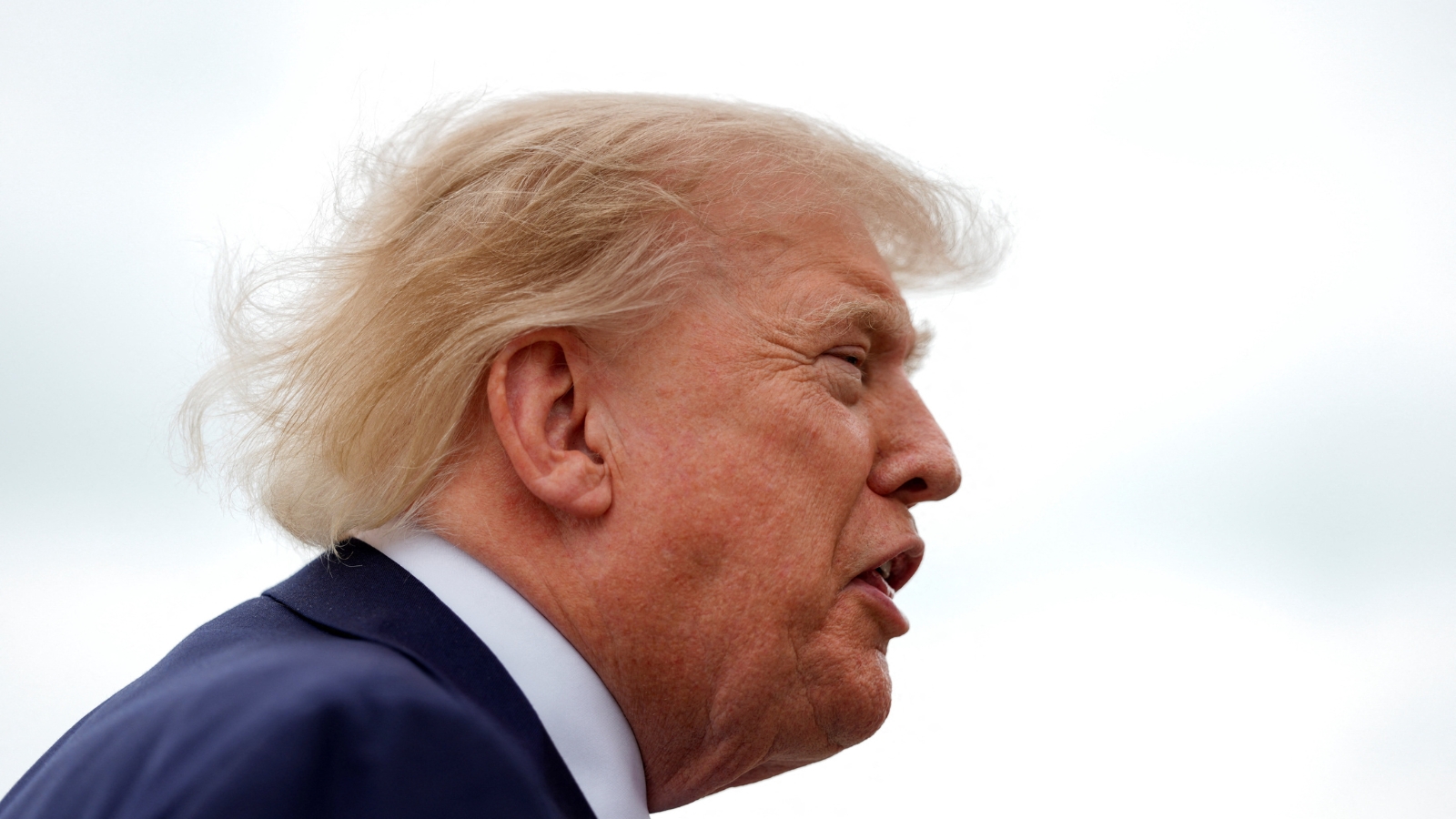
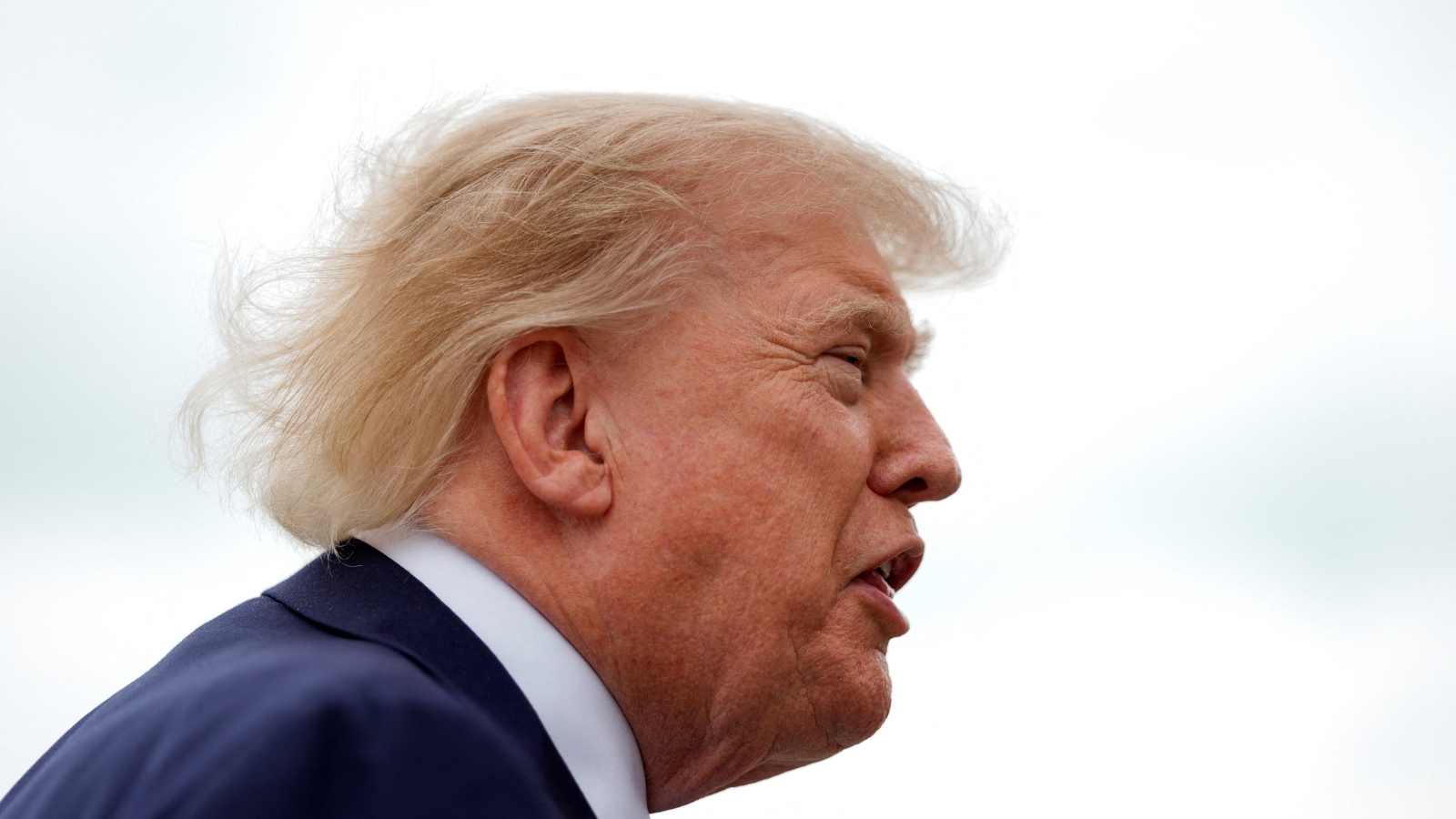
US President Donald Trump, who turned 80 in June, is facing renewed questions about his health after cardiologist Dr Jonathan Reiner questioned the extent of medical information publicly disclosed by the White House.
The White House physician, Dr Sean Barbabella, has repeatedly said Trump is in “excellent health” and is fit to serve.
The White House’s latest medical report, released in May, said Trump was in “excellent health” and “fully fit” to serve. The three-hour evaluation at Walter Reed involved 22 specialists and included CT and heart imaging, cancer screening and other preventive tests. His physician said his cardiac imaging showed no abnormalities and that Trump scored 30 out of 30 on a Montreal Cognitive Assessment.
In a recent opinion article in The New York Times, cardiologist Dr Jonathan Reiner, who treated former Vice President Dick Cheney for 27 years, contrasted the public disclosure of Cheney’s heart problems with what he described as limited information about Trump’s health.
Reiner said Cheney’s heart problems were publicly known while he was vice president, including his need for stents, a defibrillator and treatment for arrhythmia and a blood clot.
Trump diagnosed with chronic venous insufficiency
The White House disclosed in July 2025 that Trump had been diagnosed with chronic venous insufficiency after he developed swelling in his lower legs. The condition is generally considered common and benign in older adults, and the White House said testing showed no evidence of deep-vein thrombosis, arterial disease or heart failure.
Reiner, who is not Trump’s physician and said he had reviewed only publicly available medical records, argued that some aspects of Trump’s health still warranted greater explanation.
Story continues below this ad
He pointed to bruising on Trump’s hands, swelling in his legs and instances when the president appeared to struggle to stay awake.
Reiner also noted that Trump had undergone advanced imaging for reasons that were not publicly clear. He said the lack of detailed information had left the public questioning whether the US president was in good health.
Questions raised over Trump’s health, medical tests and treatment
Dr Jonanthan Reiner has raised several questions about US President Donald Trump’s health and the limited details released by the White House.
- Why were 22 medical specialists involved in Trump’s latest health evaluation?
- Reiner also questioned the reported aspirin dosage and whether it could explain the recurring bruising on Trump’s hands.
- Why was his leg swelling described as chronic when it was not noted during an earlier examination?
- Has his apparent daytime sleepiness been medically assessed?
- Why did he undergo advanced heart and abdominal imaging at Walter Reed in October?
- What medications, if any, has the White House chosen not to disclose?
- Why has Trump undergone cognitive screening tests multiple times, and were more detailed assessments conducted?
No formal legal obligation to certify fitness of US President
There is no formal requirement for the US president to certify his fitness for duty, despite the demands of the office. Annual presidential health reports have been released as a custom since the Nixon administration, but they are not legally required.
Story continues below this ad
The 25th Amendment provides a mechanism for dealing with presidential incapacity, but Congress has never established the permanent body contemplated under Section 4. In April, Democratic Representative Jamie Raskin introduced legislation seeking to create an independent Commission on Presidential Capacity.
Stay updated with the latest – Click here to follow us on Instagram
