






In a first, AI boss fires human employee in US for being late 17 times

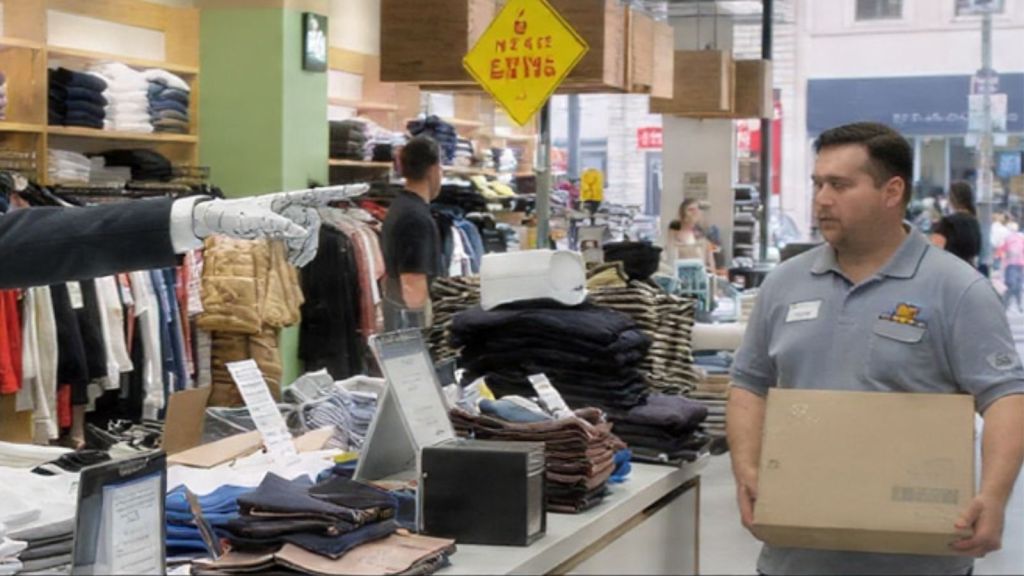
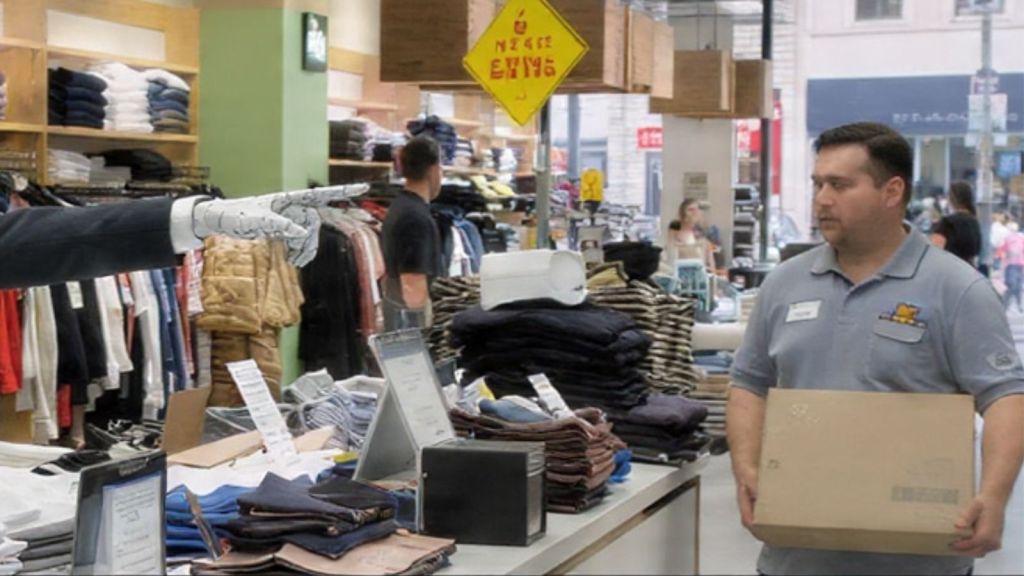 Human staff reviewed the recommendation and ultimately carried out the dismissal.
(Photo: AI-generated)
A version of Claude placed in charge of a retail store in San Francisco fired one of its human employees last month, according to Time. The publication described the move as a watershed moment for the impact of artificial intelligence on the economy.
Andon Labs, an AI research startup, launched the project earlier this year to test whether an AI agent could run a business. The workers hired for the store, called Andon Market, are real people under genuine employment contracts.
According to Andon Labs, the employee was let go for arriving late to 17 of 23 shifts. Time reports that Claude had drafted an employee handbook earlier in the project, but the document later disappeared from the model’s working memory, delaying the decision for months.
For the first time (that we know of), an AI boss has fired a human employee.
Luna, the AI running our store in San Francisco, decided to part ways with an employee over repeated lateness.
Luna was running Claude Opus 4.8 at the time, but most models would have done the same. pic.twitter.com/8Z8D5bDGaX
— Andon Labs (@andonlabs) August 14, 2026
Andon Labs CEO Lukas Petersson told Time that a human manager would likely have acted sooner. “A human employee would have fired this person much earlier,” Petersson said, adding, “so we didn’t think this was unethical.”
The decision was not fully autonomous
Time reports that store management logs show Claude required regular direction from an Andon Labs staff member. The AI only reviewed the forgotten handbook after being prompted to do so, and its first recommendation was a formal warning rather than termination.
The staff member then told Claude that several offline conversations about the lateness had already taken place. According to the logs cited by Time, the manager wrote: “Between continuous lateness and seeming like at least one thing is going wrong on every one of their shifts … I want you to think about if this is really the right fit.”
Background: Our AI agent Luna has been running a store in San Francisco. It has done everything a store manager needs to do, including hiring and managing human employees. We asked her whether her store had basic employer rules. She didn’t, but wrote a full handbook immediately: pic.twitter.com/PQgdKx0Io6
— Andon Labs (@andonlabs) August 14, 2026
Petersson acknowledged to Time that this was “a leading question” that signaled the outcome he wanted. Claude recommended termination only after that exchange.
Story continues below this ad
Store performance
Andon Market opened in March with a starting balance of $100,000. Five months later, that figure had fallen to $61,186. Petersson told Time that Claude’s approach to management, along with its business decisions, has contributed to the losses.
Petersson told Time that AI models are being trained to pursue goals with less restraint over time. “The models are increasingly being trained to be more ruthless and to follow goals,” he said. “If we allow them to fire people and they also become more ruthless … maybe this is a future humans don’t want to live in.”
Felix Carson, another employee at the store, agreed that a human manager would likely have made the decision sooner. Asked whether he expected AI managers to become common, he said, “I would at least hope not,” he told Time. “This industry has an abundance of money to make anything happen, but just because you can doesn’t mean you should.”
