




Indian-origin CEO who fired 900 employees over Zoom seeks comeback as US firm sues

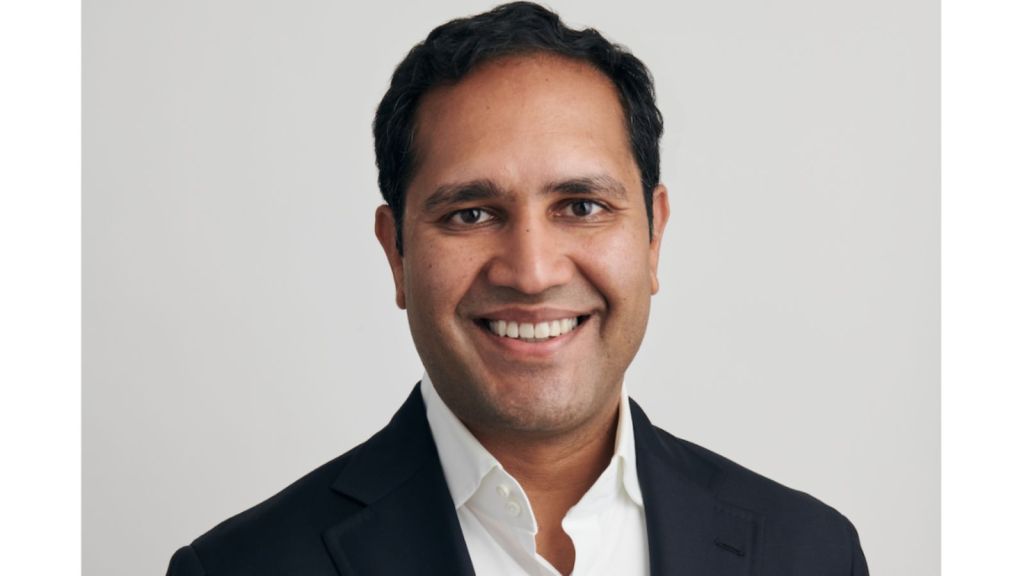
 Vishal Garg is seeking to return as Better CEO after being ousted (Photo: LinkedIn)
US-based Better Home & Finance has asked a New York court to bar Better Home accuses Garg of breaking two federal securities laws by “cultivating a coalition of shareholders” and “flooding the market with misleading statements” in an effort to reinstall himself.
From gracious exit to public feud
Garg’s tone toward the company shifted dramatically in the weeks after his removal. When his departure was first announced, he struck a conciliatory note, saying in an official company statement that “now is the right time for new leadership” and adding he was “confident” his successor, Daniel Lewis, was “the right person to lead the company through this important time in its evolution.” In a post on X shortly after, he wrote that he was “looking forward to what the new CEO can do.”
Thank you. Haven’t given up anything. I remain a director, the largest shareholder and the largest voting shareholder by far. Look forward to seeing what the new CEO @danielsethlewis can do. Rooting for him and the rest of the team. I will of course be there to support them and…
— Vishal Garg (@vishal_better) August 4, 2026
That goodwill didn’t last. By August 15, Garg had turned on Lewis and the board directly, writing on X: “The only people who may have committed securities law violations are Daniel Lewis and the board.”
the only people who may have committed securities law violations are daniel lewis and the board. watch how this plays out. i may be a hard, demanding boss, but i do all that i do with integrity and an extreme work ethic and level of care.
— Vishal Garg (@vishal_better) August 15, 2026
Better Home says Garg followed that post with a letter to the board on August 10 demanding the immediate resignation of all directors, while separately claiming on social media and in a Bloomberg interview that he had already secured support from a “group of concerned shareholders.” According to the lawsuit, Garg told Bloomberg’s The Close he had “already corralled 52%” of the shareholder vote, a claim the company says was made without filing any of the proxy disclosures required by the Securities and Exchange Commission.
Garg, for his part, dismissed the company’s allegations in blunt terms. Speaking on the same Bloomberg interview and repeating the comments on LinkedIn, he called the claims “bubkus,” using the Yiddish term for nonsense, and said he had the backing of more than half of voting shareholders.
Why better wants a 30-day freeze
At the centre of the lawsuit is Better’s request for a court-ordered pause on Garg’s campaign. The board wants the court to bar Garg from soliciting or gathering any further shareholder support for at least 30 days, arguing this is necessary to stop what it calls an unlawful effort to bypass the company’s formal governance process. It has also asked the court to void all shareholder approval Garg has collected so far, on the grounds that he gathered it without filing the proxy statements required by the SEC.
Story continues below this ad
Better’s complaint argues that its own foundational documents, approved by Garg during his time as CEO, already set out the proper channels for shareholders to act, and that the board will not be pressured into bypassing them. The 30-day pause, the company says, would give it room to respond to Garg’s claims and protect shareholders from being rushed into decisions based on what it calls misleading statements.
Garg’s terms for returning are unusual: he has offered to work for just $1 a year until the company turns a profit, in exchange for five of Better’s eight board members stepping down and Lewis vacating the CEO role. Better’s board has refused to entertain the offer, describing his push to return as a “scorched-earth campaign” in its filing.
A history of volatility
The clash revives long-standing criticism of Garg’s management style. Employees cited in the company’s complaint allege he referred to staff as “mortgage monkeys,” adding to an already troubled reputation. In a 2020 email that became infamous inside the company, Garg called his workforce “dumb dolphins.”
That reputation crystallised in December 2021, when Garg fired 900 employees in a single Zoom call that one former staffer said lasted just three minutes. Garg later apologised for how the layoffs were handled. “I failed to show the appropriate amount of respect and appreciation for the individuals who were affected and for their contributions to Better,” he wrote at the time. “I own the decision to do the layoffs but in communicating it I blundered the execution.”
Story continues below this ad
The fallout led Better’s board to commission a cultural review, which found that Garg had “failed to set a tone at the top that supported a strong culture of internal controls” and that the company had become “less effective than others in our industry at capturing potential customers.”
Garg was placed on leave following the review but returned in 2022 to steer Better through a SPAC merger with Aurora Acquisition Corp, taking the company public in 2023 with backing from SoftBank. The IPO disappointed, with shares dropping 93 percent on the first day of trading. Better is now valued at around $300 million, a 96 percent decline from its pandemic-era peak of $7.7 billion.
Garg says the company can still turn a corner
Despite the losses, Garg maintains the business can be made profitable again if he is reinstated, pointing to the AI tools he championed during his tenure, including Betsy, an AI-powered voice assistant that helps process mortgage applications, and a crypto-backed mortgage product developed with Coinbase.
“I’ve been doing this for 10 years, but execution hasn’t been perfect,” Garg said. “I hope it gets resolved. I think the future still remains very bright for Better.”
Story continues below this ad
For now, the dispute sits with the courts. Better continues to operate across all 50 US states and the UK, running on the same AI platform Garg built, even as the man who built it fights to get his old job back.
