
Trump’s visa crackdown: Up to 2 lakh to be cancelled, Rs 98 lakh H-1B fee

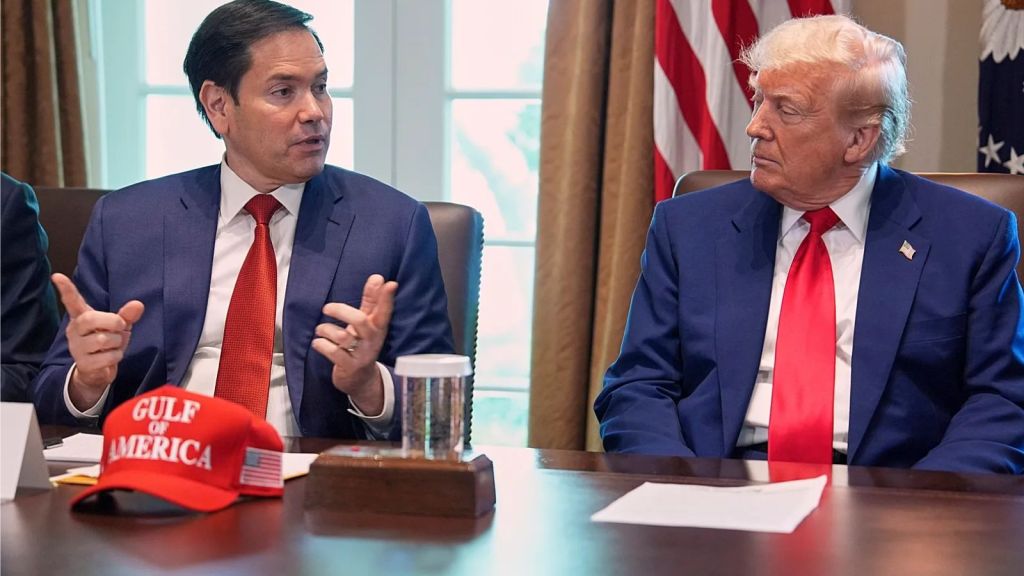
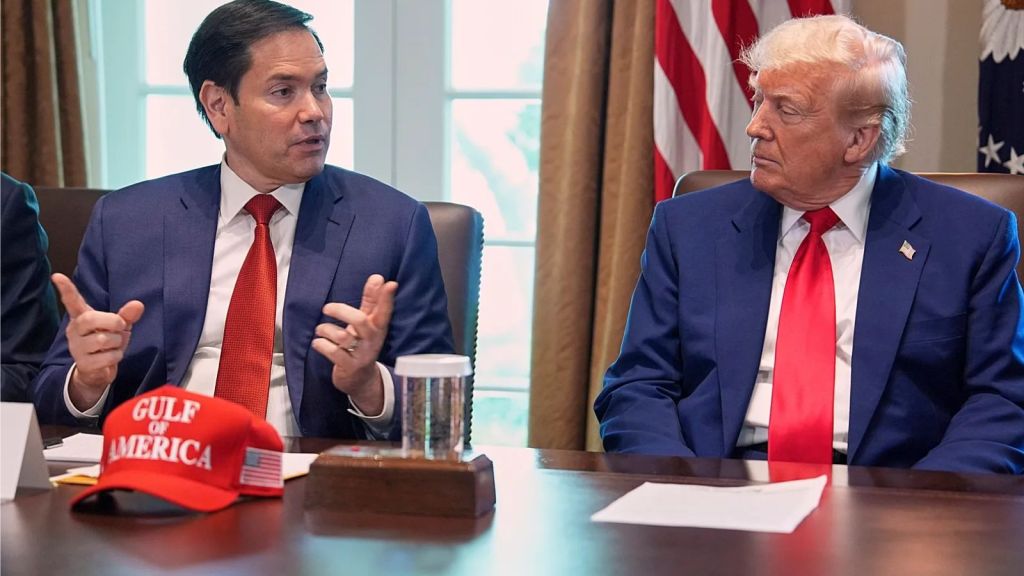 Secretary of State Marco Rubio speaks during a cabinet meeting at the White House, in Washington, as President Donald Trump look on. (AP Photo)
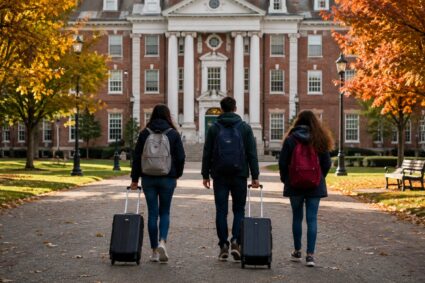
 The US is preparing to grevocation of B1 and B2 visas issued between 2016 and 2026 to people who have sought or are seeking asylum, according to State Department documents obtained by the Associated Press and two US officials.
State Department spokesman Tommy Pigott said the administration is seeking to identify and revoke visas held by people who entered the US as short-term visitors and later filed for asylum to remain in the country permanently.
Most people with asylum cases already pending would be reclassified, but would lose their status as business or tourism travellers, according to officials who were not authorised to speak publicly since the plan isn’t final yet.
Story continues below this ad
‘Not a loophole’
Deputy Secretary of State Christopher Landau criticised people who he said misuse tourist and business visas to enter the country and then claim asylum, arguing that public frustration with such claims is widespread. He said, “Asylum isn’t supposed to be a loophole to circumvent immigration law.”
He pointed to the case of a Colombian national who arrived in the US on a tourist visa in 2015 and later applied for asylum.
What are B-1 and B-2 visas?
B-1 visas generally cover business travel, while B-2 visas are used for tourism, family visits and medical treatment. Current applicants are asked to affirm that they will not seek asylum in the US and demonstrate that they intend to return home.
Since Trump began his second term, his administration has steadily tightened visa rules, asking for more social media history from applicants, requiring costly bonds, and banning visas outright for citizens of some countries. The State Department says it has already revoked more than 175,000 visas during Trump’s second presidency, citing criminal activity, visa violations, fraud, calls for violence and national-security concerns as reasons.
Story continues below this ad
The administration has also targeted so-called “birth tourism,” though courts, including the Supreme Court, have rejected Trump’s attempts to end birthright citizenship altogether.
‘Hire American’
Alongside the visa crackdown, Vice President JD Vance has backed a DHS proposal to impose a $103,265 fee on new H-1B cap-subject petitions. The figure replaces an earlier $100,000 fee (around ₹95.7 lakh) that was struck down by the courts.
Sharing a Wall Street Journal report on the issue, Vance wrote on social media, “If an American corporation needs workers, it should hire and train Americans.”
If an American corporation needs workers, it should hire and train Americans. https://t.co/C72ZYmONpK
— JD Vance (@JDVance) August 24, 2026
What exactly is being proposed?
The Department of Homeland Security filed a proposal on Monday to set a $103,265 fee (about ₹98.9 lakh), payable at the time of filing, for all H-1B cap-subject petitions, including those that would normally qualify for an advanced-degree exemption. This would come on top of all existing fees. DHS said the money would help cover the government’s costs of running the legal immigration system, spanning work by DHS itself along with the Departments of Justice, State and Labor. The public now has 30 days to submit comments on the plan.
H-1B visas allow US employers to hire foreign professionals in specialised occupations. The programme generally requires at least a bachelor’s degree or equivalent, with initial approval typically lasting up to three years and extensions generally available.
Story continues below this ad
The rule still needs to go through a formal process that could take months, especially if it faces legal challenges as the previous fee did. In June, a federal judge in Boston struck down Trump’s earlier $100,000 fee, ruling that the president did not have the authority to impose it and that only Congress can change federal immigration policy in that way. The judge treated the fee as effectively a tax, which only lawmakers can create.
