




6 min readUpdated: Aug 25, 2026 06:44 PM IST
Day 3 of a Test is often viewed as the moving day, when the match starts to go in one team’s direction. In Colombo on Tuesday, the game moved in India’s favour, but not before they had to toil hard on a surface that showed little sign of deteriorating, making batting look difficult. India took eight wickets, yet Sri Lanka refused to fold, ending the day on 265 for 8, still 238 adrift with two days to go.
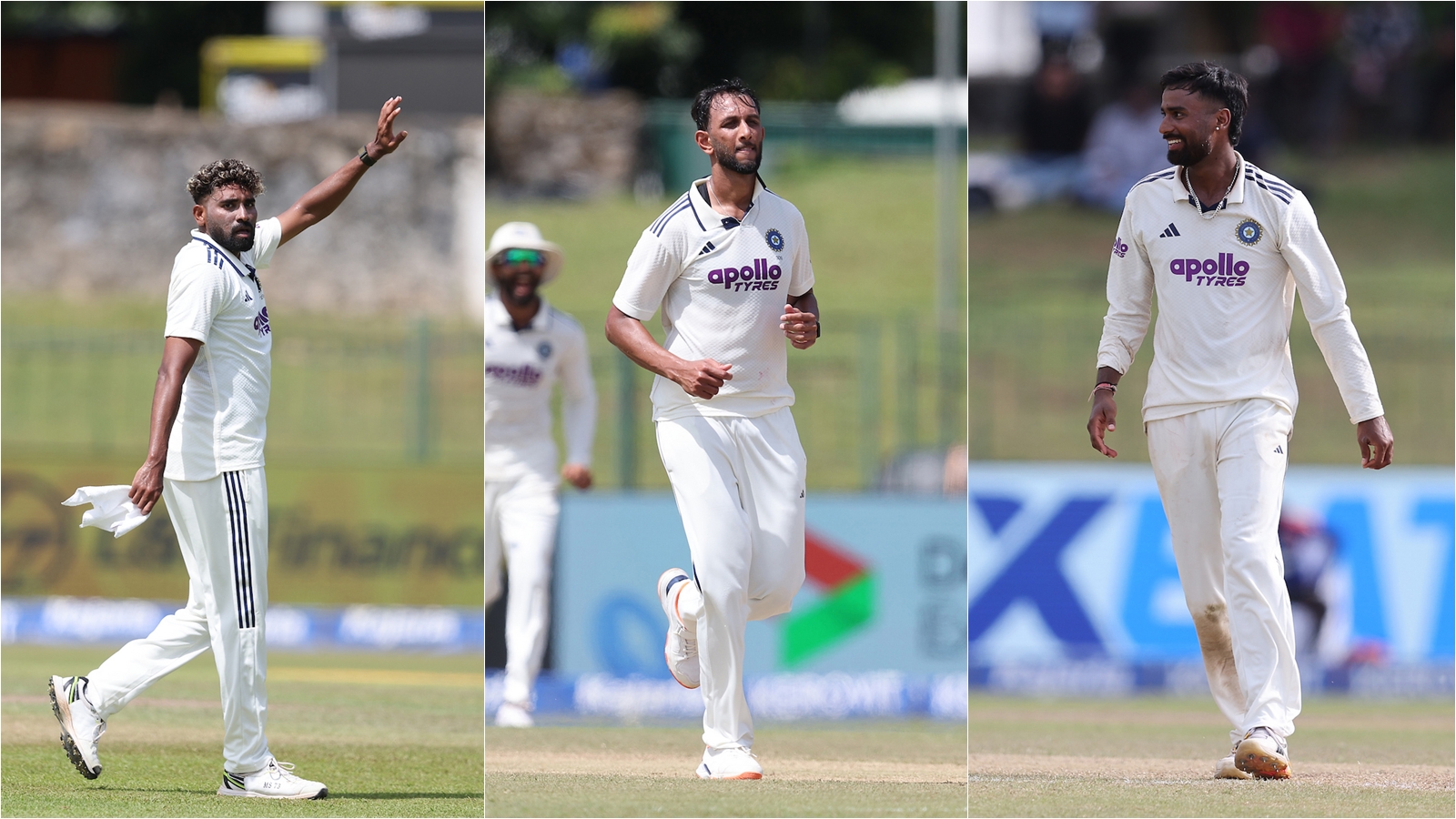
India are in a strong position, but the scoreboard does not fully reveal the work that went into getting them there. The bowlers kept returning to their plans, almost accepting that wickets would not come quickly, and building pressure over long spells. It was a combined performance, rather than one bowler carrying the attack.
Prasidh Krishna was the standout. His 3 for 47 from 14 overs provided the pace and aggression India needed. He repeatedly went to the channel outside off stump, made the batsmen play, and kept them unsure which ball to attack. His short-ball plan was effective too. He tested Kamil Mishara with the bounce, and later used the same method against Kamindu Mendis, who pulled a delivery straight to Ravindra Jadeja at mid-wicket. Prasidh’s willingness to change his lengths made it hard for Sri Lanka’s batsmen to score freely against him.
57-run stand? Broken! 💥
Manav Suthar strikes to send Keshara Nuwantha back.💪
Watch #SLvIND 2nd Test, LIVE NOW on Sony Sports Network TV channels & Sony LIV.#SonySportsNetwork #SonyLIV #BeautifulGameOfTestCricket pic.twitter.com/zRhwpLPEtI
— Sony Sports Network (@SonySportsNetwk) August 25, 2026
Manav Suthar carried the bulk of the workload among the spinners. He bowled 21 overs, the most of any Indian bowler, and while his economy rate was higher, his role was to keep attacking on a surface offering only modest assistance. He was prepared to give the ball air, draw the batsmen forward, and look for mistakes. He dismissed captain Dhananjaya de Silva, but his breakthrough in the post-tea session was just as important. Keshara Nuwantha had stayed with Sonal Dinusha for a long period, but Suthar tossed one up and tempted him into a drive. Nuwantha didn’t get the elevation he wanted, and picked out Saransh Jain at mid-off.
Jadeja was India’s most economical bowler, going at 2.30 on a day when Sri Lanka’s batsmen were looking for ways to keep the scoreboard moving. His accuracy meant the batsmen often had to take risks to score. He also held the catch that ended Mendis’s innings.
Mohammed Siraj bowled only 11 overs through the day, but gave India the important wicket of Niroshan Dickwella, who had put on 146 with Sonal Dinusha in Galle, strangling him down the leg side. The surface didn’t offer enough to create more dents, but he remained economical for large parts of the day.
Saransh Jain, on debut, would have hoped for a more productive day. He was the only bowler without a wicket on Day 3, his 18 overs going for 51 runs. He bowled mainly from around the stumps, varied his pace, and found enough turn and bounce to create uncertainty. Lahiru Kumara was beaten several times, including by one delivery that turned sharply past the outside edge.
Mohammed Siraj gets his first, as Niroshan Dickwella nicks one through to Dhruv Jurel. 💥
Watch #SLvIND 2nd Test, LIVE NOW on Sony Sports Network TV channels & Sony LIV.#SonySportsNetwork #SonyLIV #BeautifulGameOfTestCricket pic.twitter.com/cjFuis1tsg
— Sony Sports Network (@SonySportsNetwk) August 25, 2026
Jain also played his part when India needed control. As the light faded, the spinners were used from both ends, and he remained penetrative with the new ball. His spell let India keep attacking without giving away too many runs.
What stood out about India was the willingness to keep working. There were phases when the Sri Lankan batsmen defended well, used their feet against the spinners, and punished the occasional loose ball. The surface didn’t crumble enough to make batting impossible. India had to create sustained pressure through the day, through accuracy, changes of pace, bounce and patience.
Story continues below this ad
The bowling figures underlined how collective the effort was. Prasidh and Suthar took three wickets each, while Siraj and Jadeja claimed one apiece. No one dominated throughout, but together they kept Sri Lanka from building a partnership big enough to change the match.
The final session summed up the day. Dinusha continued to resist, while Lahiru Kumara looked to survive. India kept changing bowlers and fields, and the second new ball became available with Sri Lanka still fighting. But fading light became an issue, and then rain arrived, and play was finally stopped with just over 10 minutes left in the day.
Ravindra Jadeja keeps it tight, stays on the money and draws the mistake! 💥
The set Pasindu Sooriyabandara has to walk back. 👊
Watch #SLvIND 2nd Test, LIVE NOW on Sony Sports Network TV channels & Sony LIV.#SonySportsNetwork #SonyLIV #BeautifulGameOfTestCricket pic.twitter.com/EGLqnUs8G8
— Sony Sports Network (@SonySportsNetwk) August 25, 2026
India left Day 3 with their noses in front. Sri Lanka trail by a big margin and need a few more runs to make India bat again. The hosts made the visitors work, but the moving day has still moved the Test India’s way.
Sooriyabandara and Dinusha shine
Pasindu Sooriyabandara and Sonal Dinusha deserve special credit. The right-hander combined caution with aggression, and looked set to reach his maiden Test hundred, but was bowled by Jadeja on 80. Dinusha was more stubborn, mixing sweeps, paddles and footwork to end Day 3 on 84. Their positive batting made India toil, and kept Sri Lanka’s resistance alive.
