

Nepal flash flood hits Bhote Koshi river; 8 killed, 33 security personnel missing: Top updates

4 min readUpdated: Aug 26, 2026 02:38 PM IST
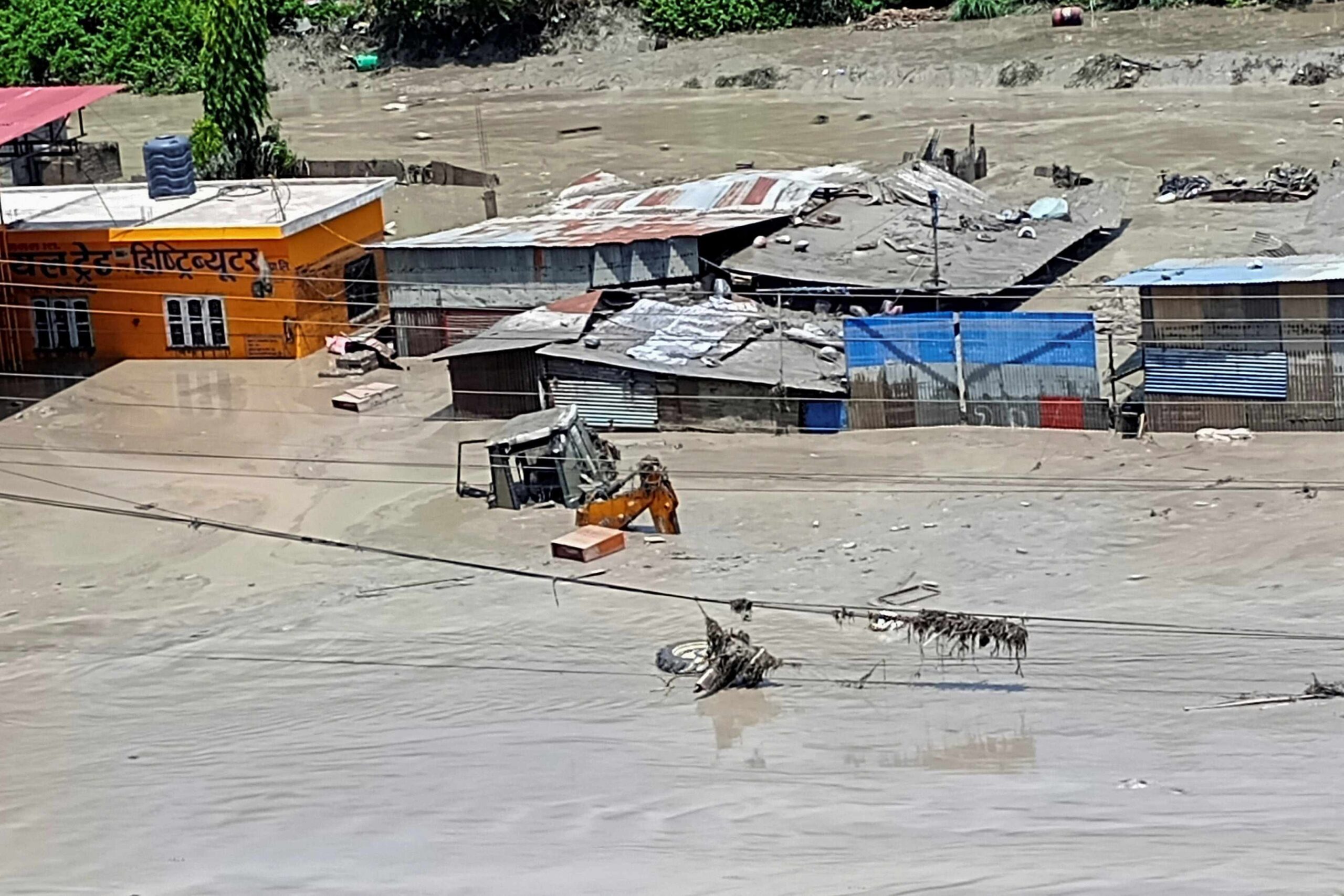
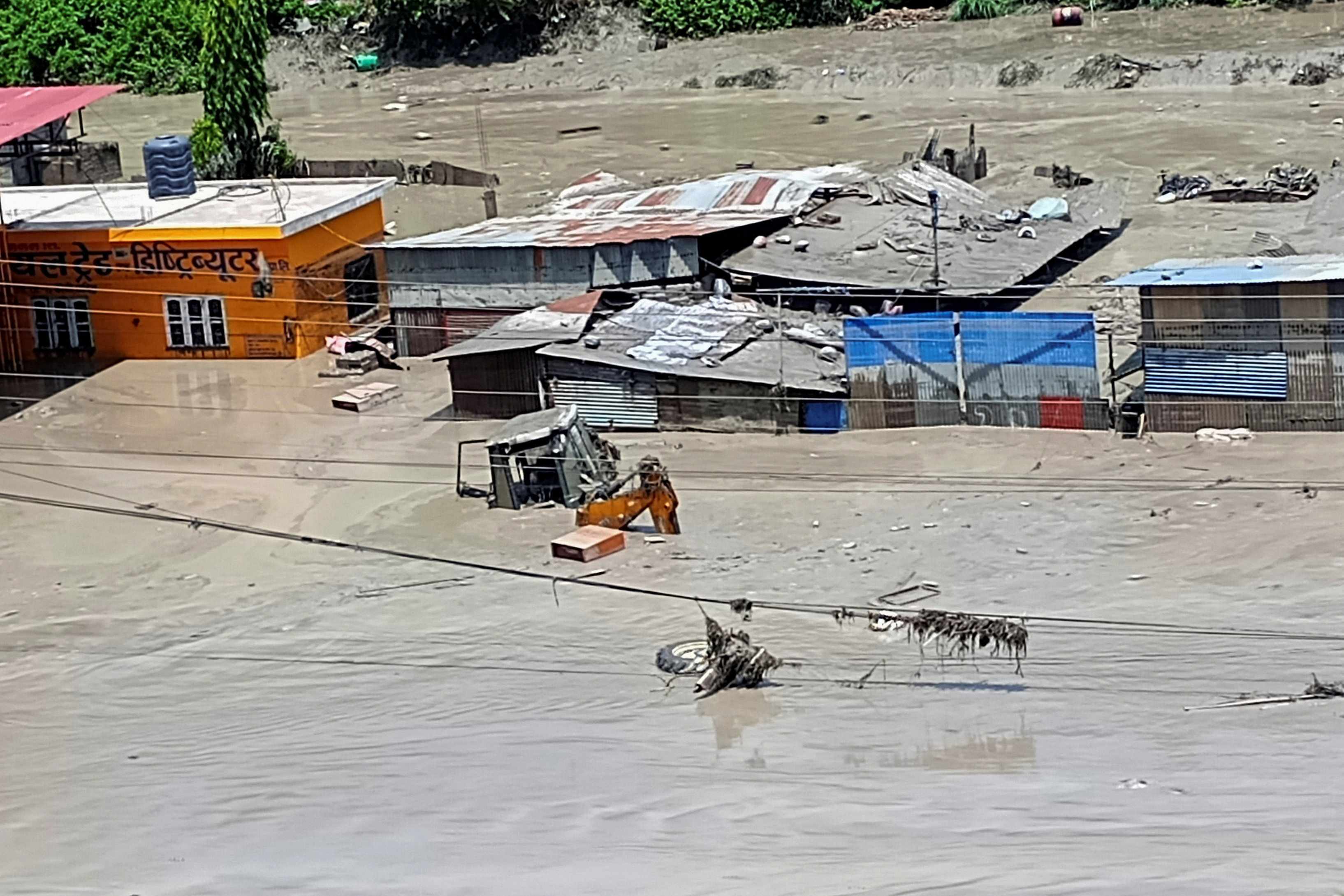
Nepal launched rescue operations on Wednesday after a massive flash flood swept through areas near the Tibet border, killing at least eight people and damaging roads, bridges and hydropower infrastructure.
Eight bodies have been recovered so far, while 33 security personnel, 26 Nepal Police personnel and seven from the Armed Police Force, are missing, according to Nepalese authorities.
The flood struck the Bhote Koshi river in Rasuwa district, affecting areas including Syapru Besi and Timure. Local authorities had earlier warned of potentially heavy casualties after reports that villages and infrastructure project sites had been washed away.
The floodwaters also spread downstream into Nuwakot and Dhading. Nepal Army helicopters have been deployed for rescue operations, with one MI-17 helicopter carrying a medical team to the affected region.
The disaster was so sudden that rescue helicopters initially struggled to land in the worst-hit areas because of high water levels. Residents along the Bhote Koshi River were advised to move to higher ground.
What we know so far
- Eight killed, dozens remain missing: Eight bodies have been recovered following the flash flood in the Bhote Koshi River. Twenty-six Nepal Police personnel and seven Armed Police Force personnel are missing in Rasuwa. Fourteen employees of the Rasuwa Customs Office in Timure – 11 permanent and three contract staff – also remain out of contact.
- Flood hits area near China-Nepal border: The flash flood swept through the Bhote Koshi River in Rasuwa near the Tibet border on Wednesday morning. The river originates in Tibet and empties into Nepal’s Trishuli River, which eventually flows into India as the Gandak River. The cause of the flooding is not yet clear.
- Timure and Syapru Besi among worst-hit areas: The flood severely affected Timure and Syapru Besi in Rasuwa district, which has a population of around 50,000. Villages and infrastructure project sites were reported to have been washed away.
- At least 17 rescued as helicopters deployed: Five people stranded by the flood were rescued and taken to Chakradev Hospital in Bidur Municipality-4. Earlier, the Nepali Army said 12 people had been rescued by helicopter — six from Syapru Besi, two from Mailung and four from Dhunche. Four Army and eight private helicopters were mobilised for search and rescue operations.
- Houses, roads and bridges swept away: Around 60 houses near Trishuli Bazaar in Nuwakot were swept away and two motorable bridges were damaged. Vehicles, goods and other property were also washed away, while road access to Trishuli Hospital was disrupted. Devighat was also affected by the flooding.
- Over 12% of Nepal’s hydropower capacity affected: Nepal’s energy ministry said 430 MW of electricity supply was affected, mostly from hydroelectric projects, representing more than 12% of the country’s total hydropower capacity of 3.2 GW, according to a Reuters calculation. The Trishuli and Devighat hydropower projects were damaged, while three blocks and a substation of a 25-MW solar power plant were swept away.
- Health authorities and WHO mobilise assistance: The World Health Organization is preparing to send medicines and equipment for around 1,000 people, along with 15 emergency tents. Nepal’s Health Ministry has reserved 100 emergency beds at Bir Hospital and the Trauma Centre in Kathmandu, deployed six doctors and two nurses, and sent an ambulance carrying medical supplies.
- Cause under investigation, GLOF possibility examined: The Department of Hydrology and Meteorology said rainfall in Rasuwa over the previous 24 hours was light at under seven millimetres. Authorities are investigating the possibility of a glacial lake outburst flood (GLOF). A deadly flood on the Bhote Koshi last year was traced to the draining of a supraglacial lake in Tibet.
- Tibet’s Gyirong reports ‘major casualties’: Many people were feared dead or missing after a mudslide on the Nepalese side affected Gyirong Port, a major China-Nepal border crossing in Tibet’s Gyirong county, according to Chinese state news agency Xinhua. Roads leading to the crossing on the Chinese side were cut off, along with communications and power supplies, as search and rescue operations continued.
- Xi orders ‘all-out’ search efforts: Chinese President Xi Jinping urged “all-out” efforts to search for those missing and called for stronger monitoring and early warning systems to prevent secondary disasters. The Gyirong crossing was also hit by a mudslide just over a year ago.
Stay updated with the latest – Click here to follow us on Instagram
