

Nepal flash flood hits Bhote Koshi river; 9 killed, 33 security personnel missing: 10 updates

5 min readKathmandu, New DelhiUpdated: Aug 26, 2026 03:31 PM IST
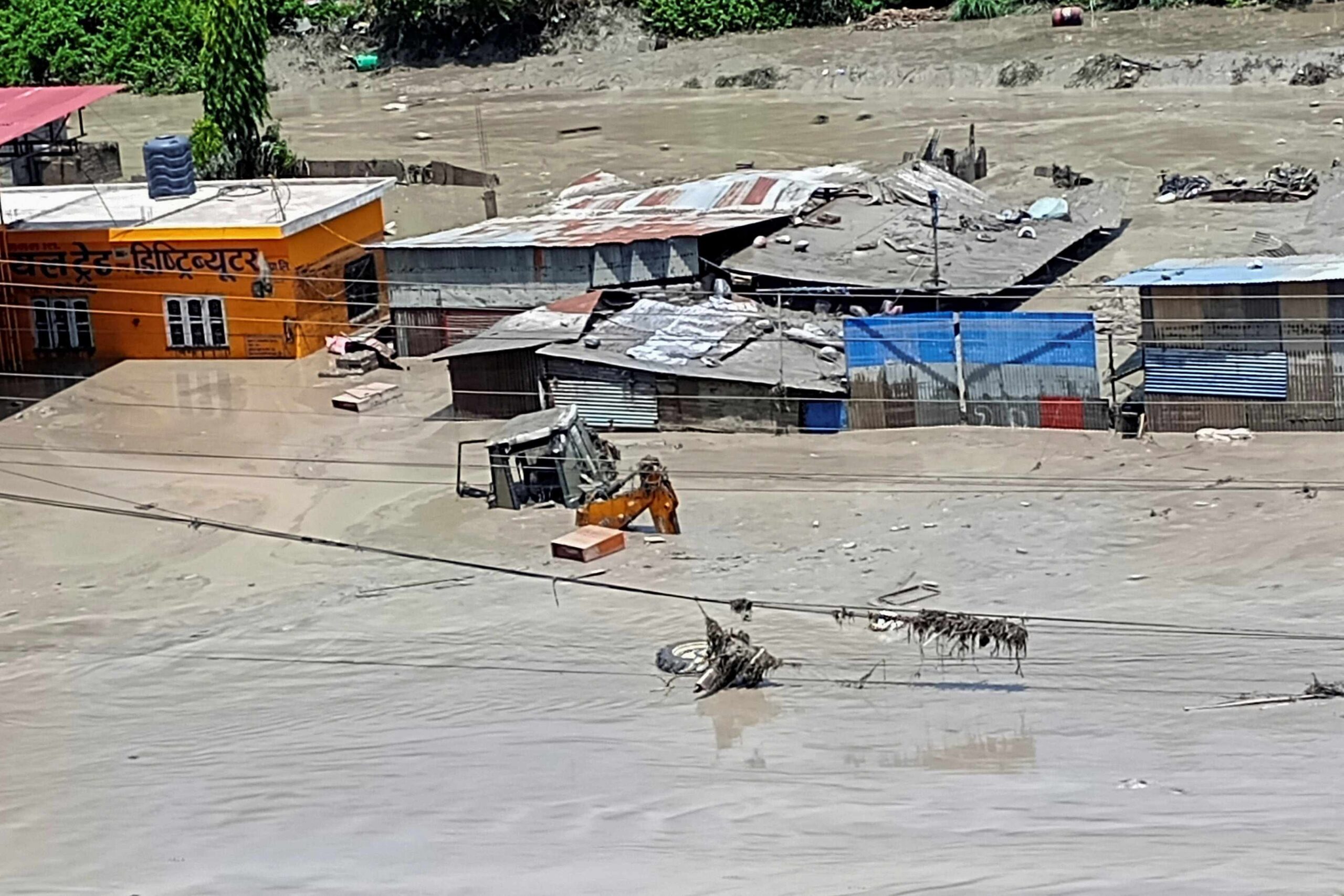
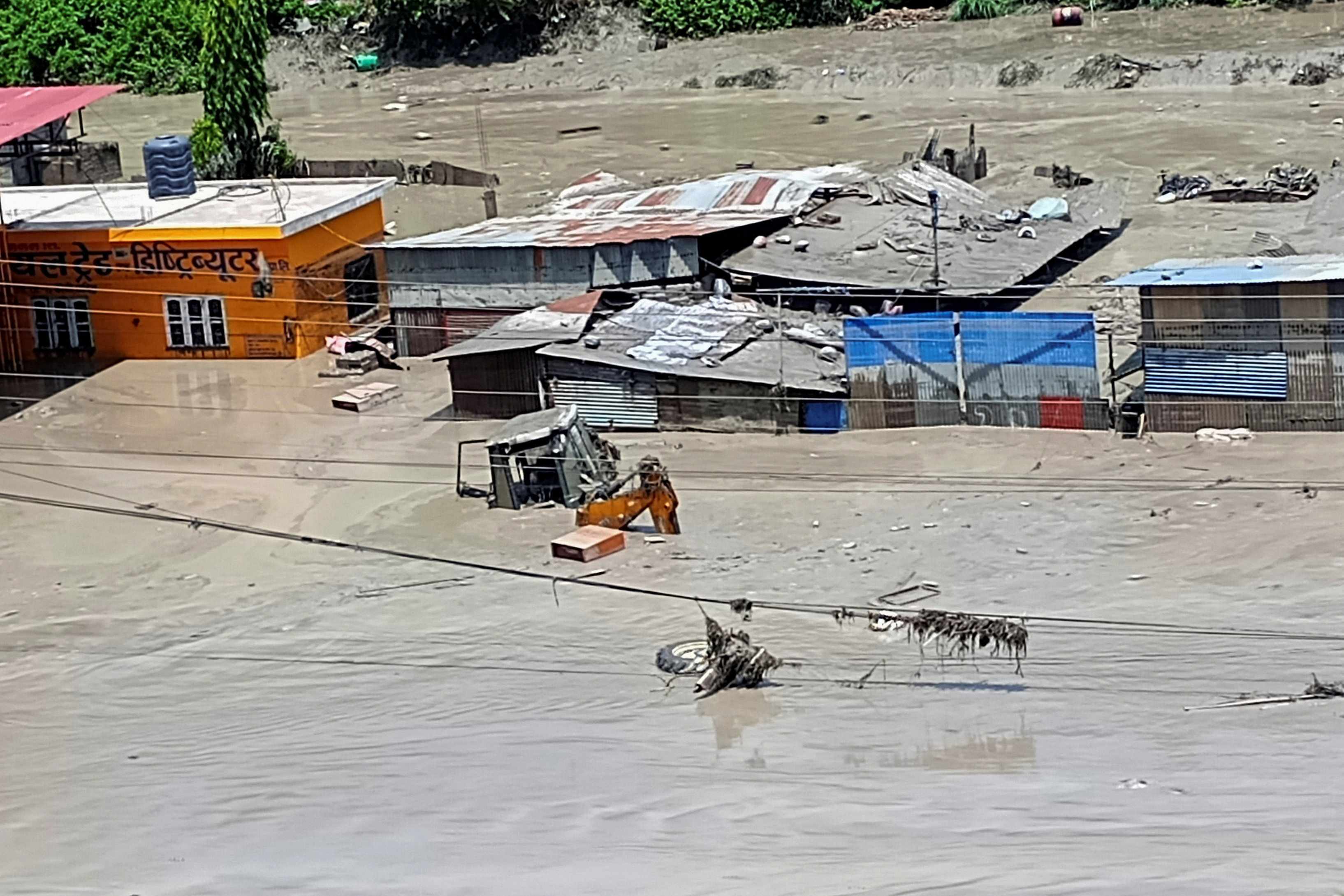
At least nine people were confirmed dead, and many others were missing in Nepal after flash floods in the Bhote Koshi River, originating from Tibet, engulfed many areas in Rasuwa, Nuwakot, and Dhading districts on Wednesday.
Initial reports from the affected areas and the National Disaster Risk Reduction and Management Authority said the swollen river swept many settlements across the 60-km road from Xylong in Tibet, China, down to Rasuwa, Nuwakot (Trishuli), and Dhading. The river joins the Trishuli River in Rasuwa.
Trubhuwan Trishula High School—the oldest and biggest in the area—was either swept away or substantially damaged, cutting the area off from the rest of the Himalayan country.
“We have unconfirmed reports of casualties. We are gathering authentic information,” a disaster management official said.
The police said a glacier that melted in Tibet caused the Bhote Koshi to flood around 9.15 am in Nepal.
भोटेकोसी नदी रसुवामा तिब्बत तर्फबाट ठुलो बाढी प्रवेश गरेकोले अर्को सूचना नआउँदासम्म त्रीशुली नदीको तटिय क्षेत्रका जिल्लाहरु नुवाकोट, धादिङ, चितवन, गोरखा लगायतका स्थानहरूमा उच्च सतर्कता सहित सुरक्षित स्थानमा रहन अनुरोध छ। pic.twitter.com/Zun6icZZCM
— Nepal Police (@NepalPoliceHQ) August 26, 2026
Officials said that information gathered from the Chinese side indicated that although the water levels in the Bhote Koshi were receding, the threat of fresh floods cannot be ruled out.
The affected route is part of Nepal’s over 260-year-old trade route with Tibet. At least half a dozen bridges over the Trishuli have also been swept away, including in the Malekhu area, obstructing travel towards two important tourist zones: Chitwan and Pokhara.
The aftermath of the devastating flash flood in Trishuli Bazaar, Nuwakot, Nepal. The footage shows widespread destruction, with floodwaters leaving debris and damaged structures across the area.
Video ©: Nuwakot Express. pic.twitter.com/hyuKt0wEXv
— Everest Today (@EverestToday) August 26, 2026
Initial reports also said that the floods affected at least 430 MW of power generation capacity.
Story continues below this ad
Prime Minister Balendra Shah called an emergency meeting of the Cabinet. The Nepal Army has taken the lead in the rescue operations, and other security agencies are assisting it.
Nepal flash floods sweep away areas bordering Tibet: What we know so far
- Nine killed, dozens remain missing: Nine bodies have been recovered following the flash flood in the Bhote Koshi River. Twenty-six Nepal Police personnel and seven Armed Police Force personnel remain missing in Rasuwa. Fourteen employees of the Rasuwa Customs Office in Timure — 11 permanent and three contract staff — are also out of contact, according to local reports. The full number of people missing remains unclear as rescue teams continue to assess the affected areas.
- Flood hits area near China-Nepal border: The river originates in Tibet and flows into Nepal’s Trishuli River, which eventually enters India as the Gandak River. The cause of the flooding has not yet been established.
- The aftermath of the devastating flash flood in Trishuli Bazaar, Nuwakot, Nepal. The footage shows widespread destruction, with floodwaters leaving debris and damaged structures across the area.
- Timure and Syapru Besi among worst-hit areas: The flood severely affected Timure and Syapru Besi in Rasuwa district, with villages, market areas and infrastructure projects damaged or washed away. Authorities have warned residents along the Bhote Koshi and Trishuli rivers to move to safer ground as floodwaters move downstream.
- At least 25 rescued as helicopters deployed: The Nepal Army said at least 25 people had been rescued by Wednesday afternoon, while helicopters were being used for search-and-rescue operations. Rescue efforts have been complicated by high water levels and difficult access to some of the worst-hit areas.
- Houses, roads and bridges swept away: Floodwaters swept through settlements and market areas along the Bhote Koshi and Trishuli river systems, damaging homes, roads and bridges. The full extent of the destruction remains unclear as authorities continue to reach cut-off areas and assess the damage.
- Over 12% of Nepal’s hydropower capacity affected: Nepal’s energy ministry said about 430 MW of electricity supply was affected, mostly from hydroelectric projects. That is more than 12% of Nepal’s total hydropower capacity of about 3.2 GW, according to a Reuters calculation. Several hydropower and transmission facilities were damaged.
- Health authorities and WHO mobilise assistance: The government has mobilised medical teams and ambulances for the affected areas, while the World Health Organization is preparing medical supplies and equipment to support the emergency response. Kathmandu hospitals have also been placed on alert as authorities assess the health needs of affected communities.
- Cause under investigation, GLOF possibility examined: Authorities have not confirmed what triggered the sudden surge. Nepal’s Flood Forecasting Division said heavy rainfall in Rasuwa itself did not appear to explain the flooding, while satellite imagery showed significant rainfall on the Tibetan side. Officials are examining whether a glacial lake outburst flood (GLOF), landslide-related blockage or another sudden release of water may have triggered the disaster.
- Tibet’s Gyirong reports ‘major casualties’: A mudslide on the Nepalese side affected Gyirong Port, a major China-Nepal border crossing in Tibet’s Gyirong county, according to Chinese state news agency Xinhua. Roads, communications and power supplies in the area were disrupted, while casualties and missing people were reported.
- Xi orders ‘all-out’ search efforts: Chinese President Xi Jinping called for all-out search-and-rescue efforts for missing people and urged authorities to strengthen monitoring and early-warning systems to prevent secondary disasters.
(With inputs from agencies)
Stay updated with the latest – Click here to follow us on Instagram
