


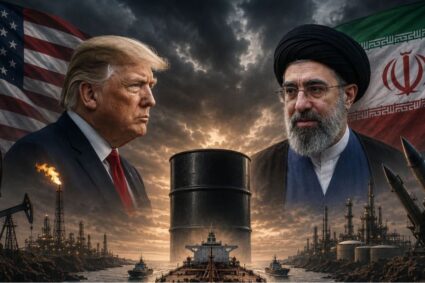


‘Biggest oil deal in world history’: Trump says US to take partial control of 65 billion barrels of Venezuelan oil

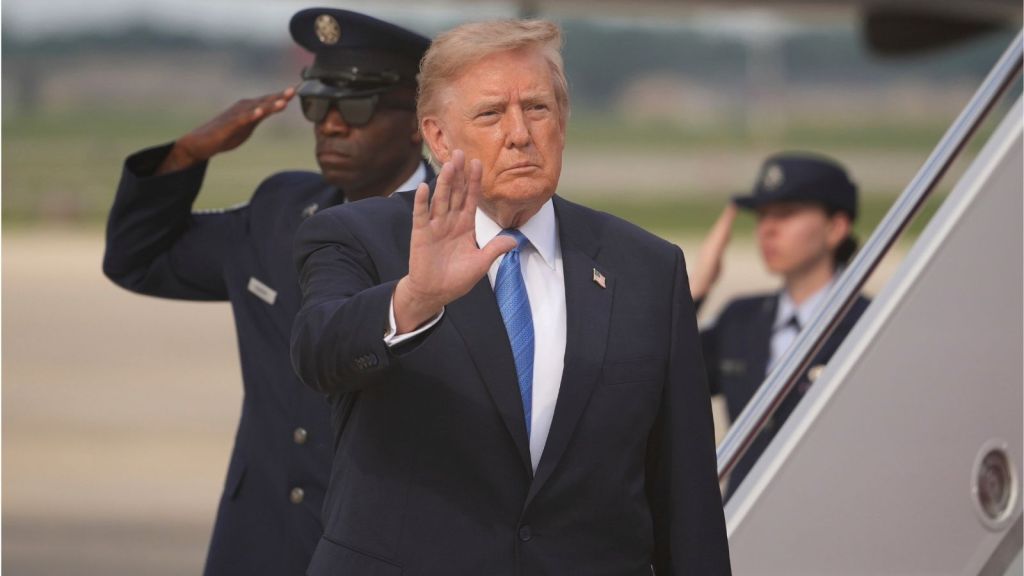
 President Donald Trump waves after arriving off Air Force One, Friday, Aug. 28, 2026, at Joint Base Andrews, Md. (AP Photo)
United States President Donald Trump Friday announced that the United States has entered into an oil agreement with Venezuela, saying it was negotiated by Secretary of State Marco Rubio, Secretary of War Pete Hegseth, and Venezuela’s interim President Delcy Rodriguez.
In a post on social media, Trump described the arrangement as “the biggest oil deal in world history,” saying the US had formally entered into the agreement with Venezuela.
What did Trump say?
Trump announced the deal in a Truth Social post, crediting Rubio, Hegseth and Rodriguez for reaching the agreement. He said the arrangement more than doubles American oil reserves and would substantially cut gas prices for Americans “long into the future”.
🚨 BREAKING NEWS pic.twitter.com/vkRV9oOetV
— Department of State (@StateDept) August 28, 2026
Trump also framed the deal as a boost for Venezuela, saying it would help set the country on a path toward “tremendous success and great prosperity”, and described it as a further strengthening of the relationship between the two countries.
Why is this happening now?
The announcement comes nearly nine months after the US military, acting on Trump’s orders, carried out an operation to capture Venezuelan President Nicolás Maduro and bring him to the United States to face federal narco-terrorism and drug trafficking charges.
Since then, Washington has worked to reshape its relationship with Caracas and expand American access to the country’s oil sector.
Story continues below this ad
Why does Trump need this deal?
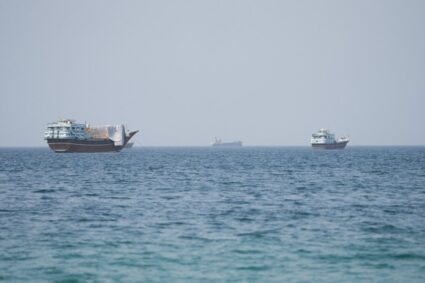
Trump is under growing pressure to bring down high gas prices at home. That pressure has intensified as the war involving Iran reaches its six-month mark with no end in sight, disrupting global oil flows and keeping fuel costs elevated.
Trump drops ‘BIGGEST OIL DEAL IN WORLD HISTORY’ — ‘BREAKING NEWS’
‘Secured majority U.S. control of more than 65 BILLION BARRELS of proven Oil Reserves in Venezuela’ pic.twitter.com/3Atq9aqekj
— RT (@RT_com) August 28, 2026
The US has also been drawing down its Strategic Petroleum Reserve to help manage supply. Stockpiles fell below 300 million barrels in early August, down more than 100 million barrels since the start of 2026.
Details of the agreement including which companies are involved and how the US would exercise control over the reserves have not been made public. The announcement is likely to draw scrutiny over how the deal will be structured and whether it can withstand legal or political challenges in Venezuela.
