





Why is Trump cracking down on foreign student internships?

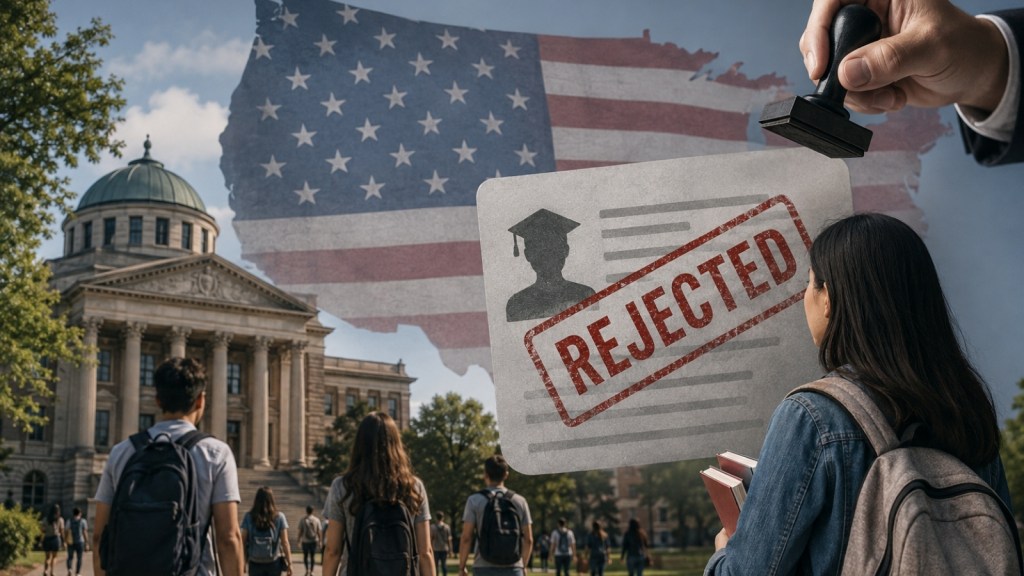
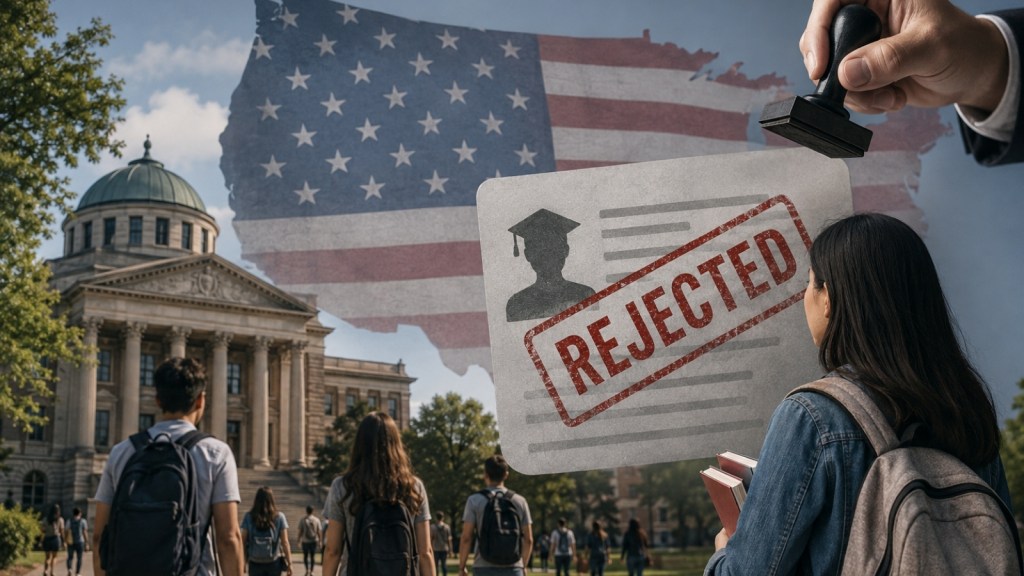 Several schools moved quickly in response, including the University of California, Los Angeles and the University of California, Berkeley, both of which paused certain work authorisation applications for their international students. (AI-generated image)
Universities across America are under fresh pressure after the Trump administration warned that colleges could lose their certification to enrol international students if they fail to comply with rules governing certain internship work.
The guidance has already prompted some major universities, including UCLA and UC Berkeley, to pause certain CPT applications while they review the requirements.
What does the memo actually say?
The memo, dated August 24, came from the Student and Exchange Visitor Program, part of the US Immigration and Customs Enforcement agency. It said officials had “observed a rise” in Curricular Practical Training approvals that appear to break rules stating such training must be a genuine, built-in part of a student’s course of study.
The memo went further, warning that any institution failing to comply with the regulations “may result in an institution losing certification to enrol foreign students.”
Which universities have already reacted?
Several schools moved quickly in response, including the University of California, Los Angeles and the University of California, Berkeley, both of which paused certain work authorisation applications for their international students.
Story continues below this ad
A UCLA spokesperson said the university “has paused certain Curricular Practical Training authorisations while it reviews recent federal guidance and determines next steps.”
Berkeley’s international office described the August 24 memo as “more narrow in focus, more direct, and includes content that is more restrictive in nature” than an earlier notice issued in mid-August. The office told students it was unlikely to process certain work authorisation applications “in the near future” and urged them to plan around the delay. It said standard degree-requirement CPT processing, including doctoral dissertation and master’s thesis research, would continue as normal, and that it planned to consult legal experts to build new processes in line with the updated federal rules.
How has the government defended the move?
The Department of Homeland Security, which oversees ICE, insisted the underlying rules hadn’t changed. “Nothing about these regulations has changed,” it said in a statement, adding that “schools and employers should consider themselves on notice: under President Trump, abuse of this generous system will no longer be tolerated.”
The internship memo is the latest in a series of moves by the Trump administration against American universities, which have also faced probes and funding threats linked to pro-Palestinian protests against Israel’s assault on Gaza, as well as diversity initiatives, climate programmes and transgender policies. Rights groups have raised concerns over free speech, academic freedom and due process.
Story continues below this ad
Separately, the Justice Department alleged on Thursday that admissions practices at George Washington University’s School of Medicine and Health Services favoured Black and Hispanic applicants, based on findings from a federal investigation carried out as part of the administration’s wider diversity crackdown.
The university rejected the claim, saying it was “disappointed by the DOJ’s conclusions, which we believe are incorrect,” and maintaining that its admissions policies complied fully with the law. The Justice Department said it has made similar allegations against other schools and is seeking settlements, with lawsuits possible if talks fail.
The administration has also revoked the visas of foreign students involved in pro-Palestinian protests, which it has characterised as antisemitic and sympathetic to extremism. Protesters, including some Jewish groups, argue that opposition to Israel’s actions in Gaza is not antisemitic, and that advocating for Palestinian rights is separate from supporting extremism.
Why does this matter to Indian students?
Indian students who rely on CPT for internships or practical training could face delays or tighter university scrutiny, depending on how their programmes structure the training.
