


Trump’s H-1B fee plan: Why $103,265 and who will pay?

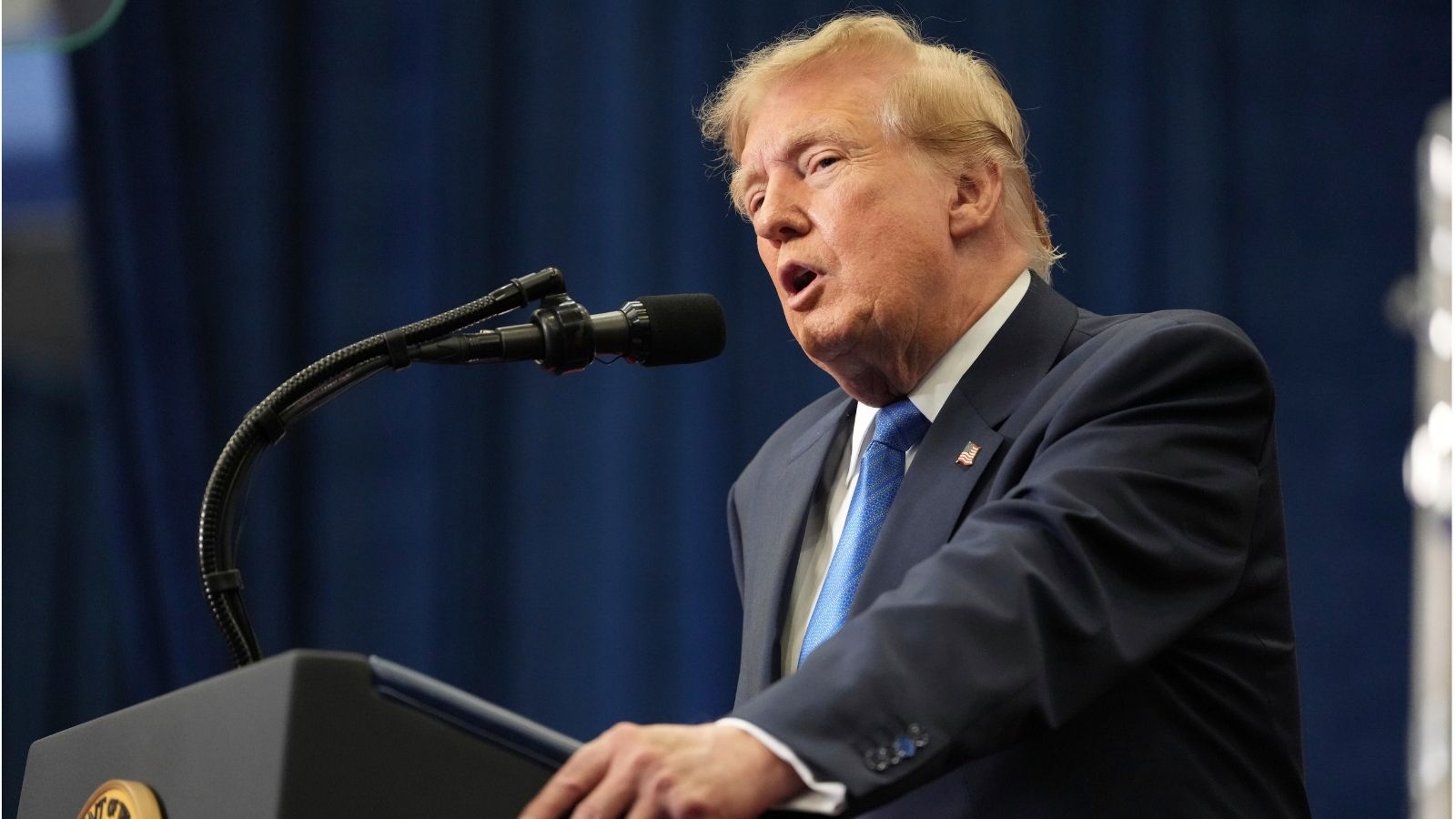
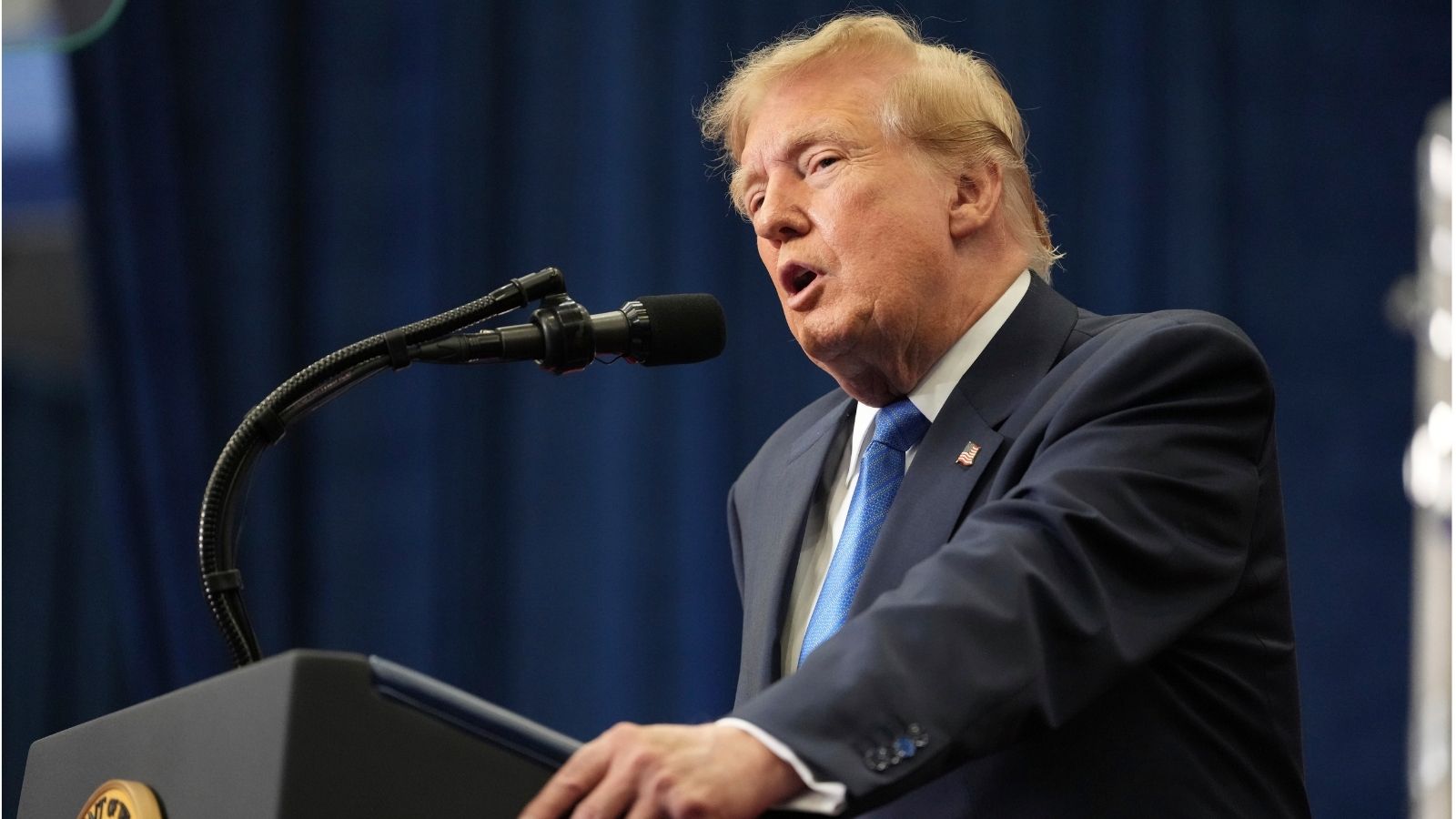
United States President Donald Trump is once again trying to make employers pay $100,000 to hire skilled foreign workers under the H-1B visa programme. Tech leaders like Elon Musk have long backed the scheme as a way to bring top global talent to Silicon Valley. But critics on both the left and right say the real effect is to replace skilled American workers with cheaper foreign workers who have far less power to push back.
What is Trump proposing this time?
This week, the Trump administration proposed an additional $103,265 fee on every H-1B cap-subject petition, including petitions eligible for the 20,000 advanced-degree exemption. The fee would be paid by the employer when the petition is filed and would come on top of other applicable H-1B fees.
This is Trump’s second attempt to impose a six-figure H-1B charge. In September 2025, he introduced a separate $100,000 payment requirement for certain H-1B workers outside the US. A federal judge struck down that measure in June.
The new proposal is structured differently: it would apply to cap-subject H-1B petitions, including those eligible for the advanced-degree exemption. That could matter to international students in the US seeking to move from F-1 status into H-1B employment through the cap-subject system.
The Department of Homeland Security published the proposal in the Federal Register this week. It is open for public comment until September 24, after which DHS would have to consider the feedback before issuing any final rule.
Story continues below this ad
Who actually gets H-1B visas?
- The annual H-1B cap is 85,000: 65,000 places under the regular cap and another 20,000 for people with qualifying advanced degrees from US universities.
- Employers filed more than 344,000 applications last year, far more than the number of visas available, so the government runs a lottery every April to decide who gets one.
- More than half of H-1B workers are employed in computer-related roles such as technical support, programming and systems analysis.
- Roughly three in four H-1B workers are born in India, with China a distant second at just over one in ten.
Why does India care so much about this?
India’s outsized share of the H-1B programme means any major change to the system is likely to have a disproportionate impact on Indian professionals. In FY2024, 71% of approved H-1B petitions were for people born in India.
Critics of the outsourcing-heavy model argue that some employers use H-1B workers in ways that can weaken the bargaining position of both visa holders and US workers. For Indian professionals, a sharp rise in the cost of sponsorship could also make the path from temporary employment to a longer-term US career more uncertain.
Employers and technology companies have long argued that H-1B workers help fill specialised positions for which they cannot find enough qualified US workers.
DHS’s proposal cites unnamed large companies that continued to receive thousands of H-1B approvals while also carrying out large layoffs, using the figures to argue that the programme can be used in ways that disadvantage US workers.
Story continues below this ad
In 2025, a software engineer sued Tesla, alleging that the company hired about 1,355 H-1B workers while cutting more than 6,000 US jobs. The allegations have not been established in court.
Is this just a partisan fight?
Opposition to the current system spans both parties. Senator Bernie Sanders has called the programme a form of “indentured servitude” that hurts both visa holders and US-born workers. Republican Chuck Grassley and Democrat Dick Durbin have pushed bipartisan legislation for years to raise guest worker wages and require job listings to be posted publicly.
Ron Hira, a political science professor at Howard University, argues the core issue is about labour rules, not immigration. “What you’re trying to do is set the rules around the labour market,” he said, noting that guest workers lack the same employment protections as citizens or permanent residents.
Hira explained that because employers hold a worker’s legal status, visa holders often have little room to negotiate. He said a worker facing pressure to work late or risk losing their job “is going to be much more docile,” since they have far less bargaining power than someone with permanent status.
Story continues below this ad
Are H-1B workers underpaid?
Research suggests they often are. George Borjas, a former member of Trump’s Council of Economic Advisers, found H-1B holders earn about 16% less on average than comparable US-born workers, with the gap widening to 30% for software developers and computer programmers. Other economists have challenged these numbers.
A separate Department of Labor proposal from March would raise the wage floor for H-1B workers, doubling the minimum from the 17th to the 34th percentile of prevailing wages still well below the median for US-born workers in similar roles.
Will the $100,000 fee actually work?
Hira said the fee, unlike a wage increase, targets employer profit rather than worker pay directly. He explained that it pushes companies to be more selective, applying only for workers who generate enough value to justify the cost.
But he cautioned that wealthier employers may not be deterred. Spread across a six-year visa, the fee works out to around $16,000 to $17,000 a year a manageable cost for companies making significantly more from that employee’s work. Employers who don’t see that kind of return, he said, will likely stop applying altogether.
Story continues below this ad
Who will actually have to pay the $103,265?
The employer/petitioner, not the H-1B worker directly.
The proposed $103,265 fee would be imposed on the employer or other petitioner filing the H-1B petition. DHS says the fee would be payable at the time of filing and would come on top of all other applicable H-1B fees. The proposal applies to H-1B cap-subject petitions, including those eligible for the 20,000 advanced-degree exemption.
Does it apply to existing H-1B holders?
Not simply because they already hold an H-1B.
The proposal is aimed at H-1B cap-subject petitions filed under the annual numerical cap. It does not impose the $103,265 charge on all existing H-1B holders, and the proposal specifically excludes cap-exempt H-1B filings.
Is the $103,265 fee already in force?
No.
This is a proposed rule, not a final rule. DHS published it in the Federal Register on August 25 and is accepting public comments until September 24, 2026. The fee would take effect only if the proposal is finalised and implemented.
(With inputs from agencies)
