

US-Iran war: US strikes Iranian rocket launchers on Strait of Hormuz in first military action in weeks

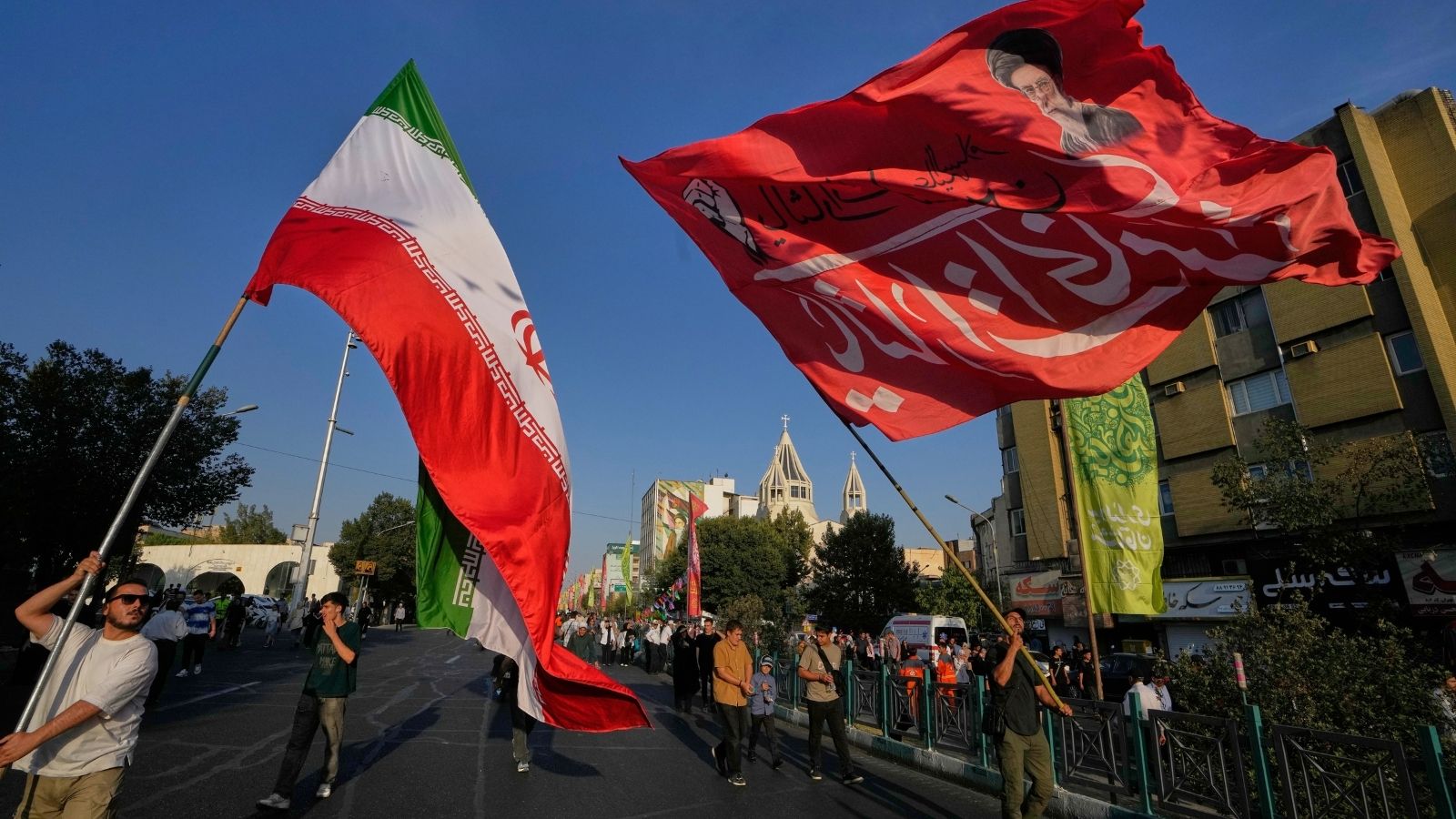
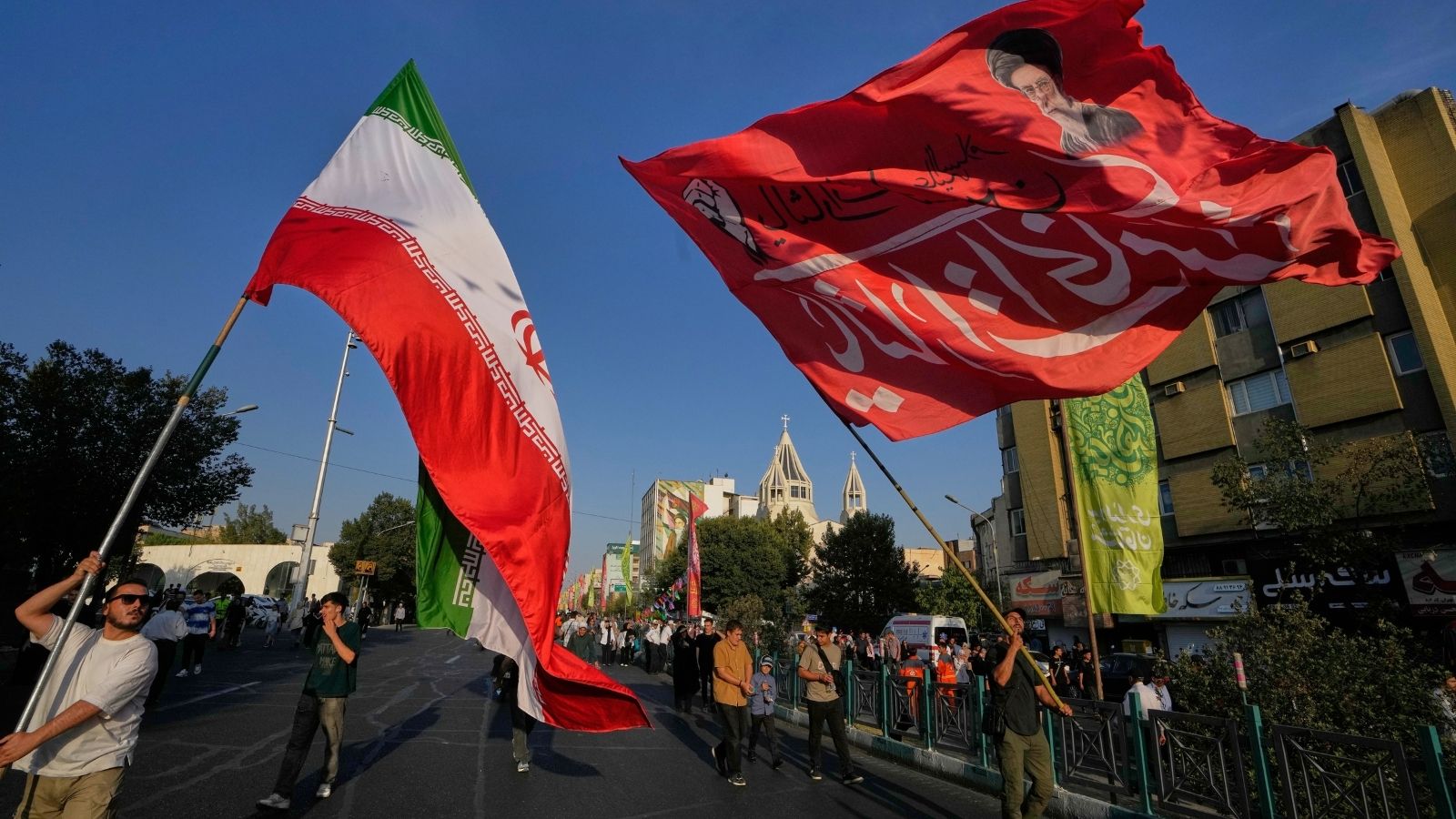
US forces struck two Iranian rocket launchers on Larak Island in the Strait of Hormuz on Sunday, marking the first known American military action against Iran in a month, according to Reuters. The strike broke a lull in a war that has now run for more than six months, and Iran responded within hours by firing on US bases in Jordan. Tehran called the American strike a deadly attack and said it would respond and punish those responsible.
The exchange came just as the Trump administration had been shifting its approach toward economic pressure rather than military action, with US Treasury Secretary Scott Bessent telling Reuters that new sanctions on banks doing business with Iran would now be announced on a weekly basis.
US forces hit two launchers on Larak Island
US forces struck two Iranian rocket launchers on Larak Island on Sunday, according to a US official. Tim Hawkins, a spokesperson for US Central Command, said Revolutionary Guard forces were seen preparing to launch rockets fitted with sea mines into the Strait of Hormuz.
Central Command described the action as “limited, precise” and said it targeted minelaying forces that posed an “imminent threat,” though it gave no further details.
Trump claims Kharg Island is being ‘blown to Smithereens’
President Trump said on social media Sunday that Iran’s Kharg Island, the country’s main oil export hub, was “being blown to smithereens,” posting a one-line message alongside a video clip showing explosions. “Kharg Island being blown to smithereens!!! President DJT,” Trump wrote, without giving further details.
U.S. President Donald Trump posted an AI generated video of Kharg Island being blown up. pic.twitter.com/N3SsWTYswl
— Open Source Intel (@Osint613) August 31, 2026
Reuters found no other evidence that Kharg Island was under attack, and the White House and the Pentagon did not immediately respond to requests for comment. Using software that detects AI-manipulated imagery, Reuters determined that the video clip was most likely synthetically generated.
Story continues below this ad
Kharg Island, located about 660 km (410 miles) west of Larak, handled 90 percent of Iran’s oil exports before the war began. Iran is the third-largest oil producer in OPEC, and an actual attack on Kharg would severely disrupt its energy trade and put heavy pressure on its economy.
Iran fires on US bases in Jordan
Iran retaliated by launching ballistic missiles at two US bases in Jordan, according to Iranian media reports cited by Reuters. Jordan’s armed forces said they intercepted eight missiles that entered the country’s airspace.
A Fox News reporter, citing a US source, said on social media that nearly all of the incoming missiles had been intercepted and that there had been no significant impact.
First strikes since late July
Sunday’s action was the first confirmed US strike on Iran since July 29, when the US military carried out what it called a “heavy wave of strikes” on dozens of Revolutionary Guard targets, including coastal surveillance and defence sites.
Story continues below this ad
On August 1, President Donald Trump said he would hold off on further strikes after Gulf allies Qatar, Saudi Arabia and the United Arab Emirates urged restraint.
Washington’s sanctions campaign widens
Treasury Secretary Scott Bessent told Reuters he expects to announce new secondary sanctions against banks doing business with Iran on a weekly basis. Speaking ahead of Group of 20 finance meetings in Asheville, North Carolina, he described the strategy in blunt terms:
- “We’re starting with the banks, and we’re telling the banks it’s not okay to have Iranian money and to aid the regime.”
- “This is going to be financial violence if we have to.”
- “You’re going to see a lot more of these every week.”
On Friday, the Treasury proposed cutting the United Arab Emirates branches of Egypt’s Banque Misr off from the US financial system over alleged ties to Iran. Bessent said he plans to meet Chinese and Indian officials at the G20 and that “all options are on the table” for penalising Beijing over its continued oil purchases from Iran, though he rejected the idea that Washington is reluctant to confront major trading partners, calling that “a completely false narrative that the media picked up on.”
Oil prices climb on renewed fighting
Oil prices rose more than one percent after news of the strike. Brent crude gained $1.08, or 1.23 percent, to reach $89.18 a barrel, while US West Texas Intermediate crude rose 92 cents, or 1.10 percent, to $84.32. Market analyst Tony Sycamore of IG said, “Looks like we are in another escalation phase. How long that lasts is impossible to determine. Could be days, could be weeks.”
Story continues below this ad
Shipping through Hormuz stays thin
The number of visible commodity vessels crossing the Strait of Hormuz dropped to about five per day over the weekend, according to shipping data cited by Reuters, as companies remain cautious after repeated attacks.
The real number may be higher, since some ships switch off their identification systems to avoid being targeted. On Friday, 14 vessels crossed the strait, including a large crude carrier loaded with two million barrels of Qatari oil that exited with its transponder turned off.
Tanker struck near Oman
The United Kingdom Maritime Trade Operations agency reported that an unidentified projectile struck a tanker on Saturday near Khasab, Oman, inside the strait.
The agency said no casualties or environmental damage had been reported. No group has claimed responsibility, and this marked the third such attack in the strait reported by the agency in the past week.
Story continues below this ad
Trump says Strait is open, points to Venezuela oil deal
President Trump has repeatedly said the Strait of Hormuz is open, noting that 24 vessels passed through last week, though that remains far below the roughly 130 ships that transited daily before the war began.
Iran’s Revolutionary Guards navy has dismissed those claims as “an obvious lie” and maintains the strait is closed to vessels without Iranian permission. Trump also said Sunday that oil from a recent deal with Venezuela would be used to refill the US Strategic Petroleum Reserve, which has fallen close to its lowest level in 44 years.
Khamenei calls on Muslim leaders to unite
Iran’s Supreme Leader Mojtaba Khamenei issued a written message urging Muslim countries, especially those in the Gulf, to unite against what he called their “real enemy.” Posted on his Telegram account to mark Islamic Unity Week, the message read in part, “My emphatic and repeated recommendation to the rulers of Islamic countries, especially the countries of West Asia and the Gulf, is to identify your real enemy, understand his plan and confront it.”
Khamenei has not appeared in public since he was injured in the US-Israeli airstrikes six months ago that started the war and killed his father, former Supreme Leader Ayatollah Ali Khamenei.
