



From being sent off 2 mins into debut to retiring as an all-time great: A timeline of Lionel Messi’s career with Argentina

4 min readSep 1, 2026 12:00 AM IST
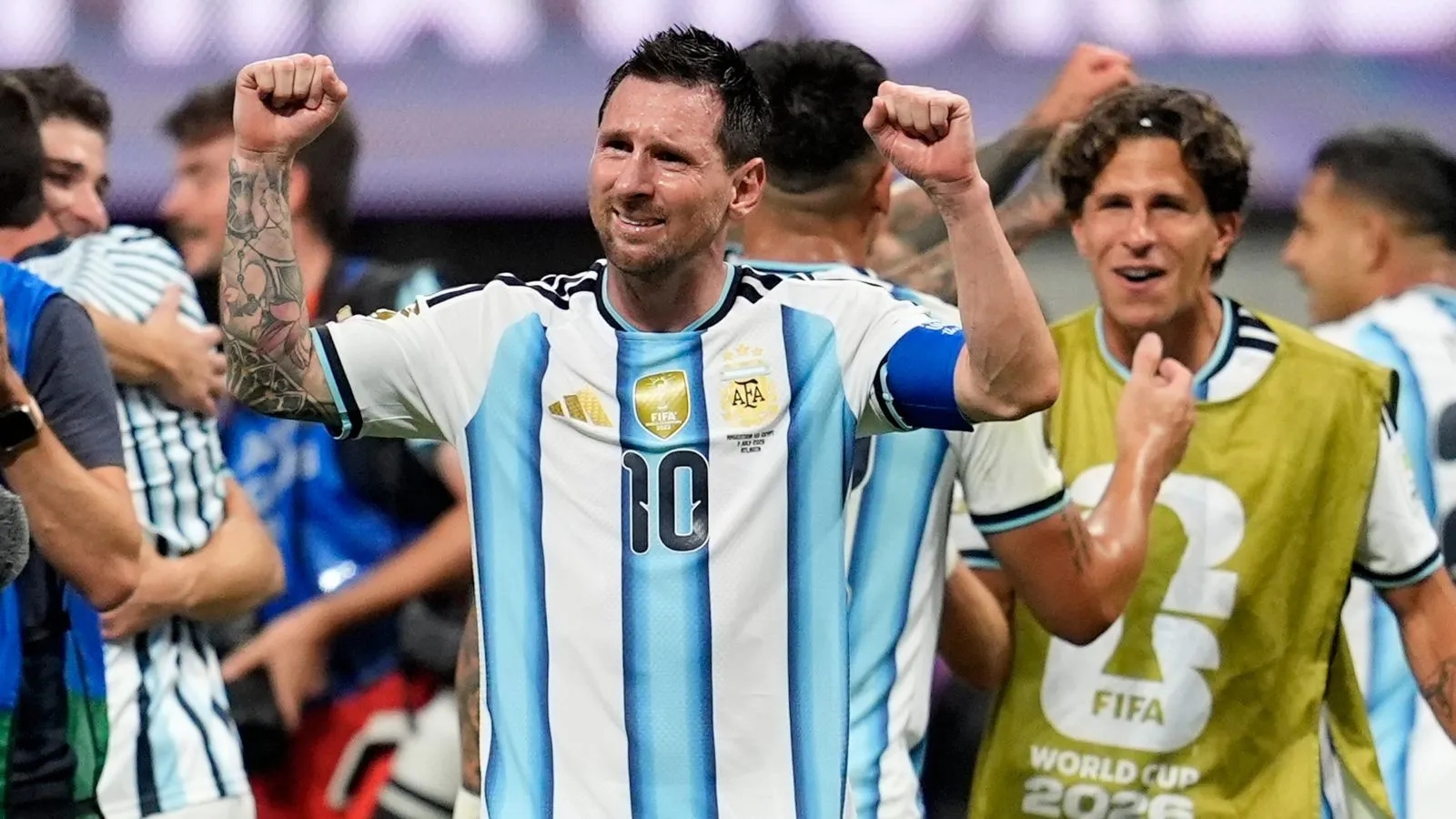
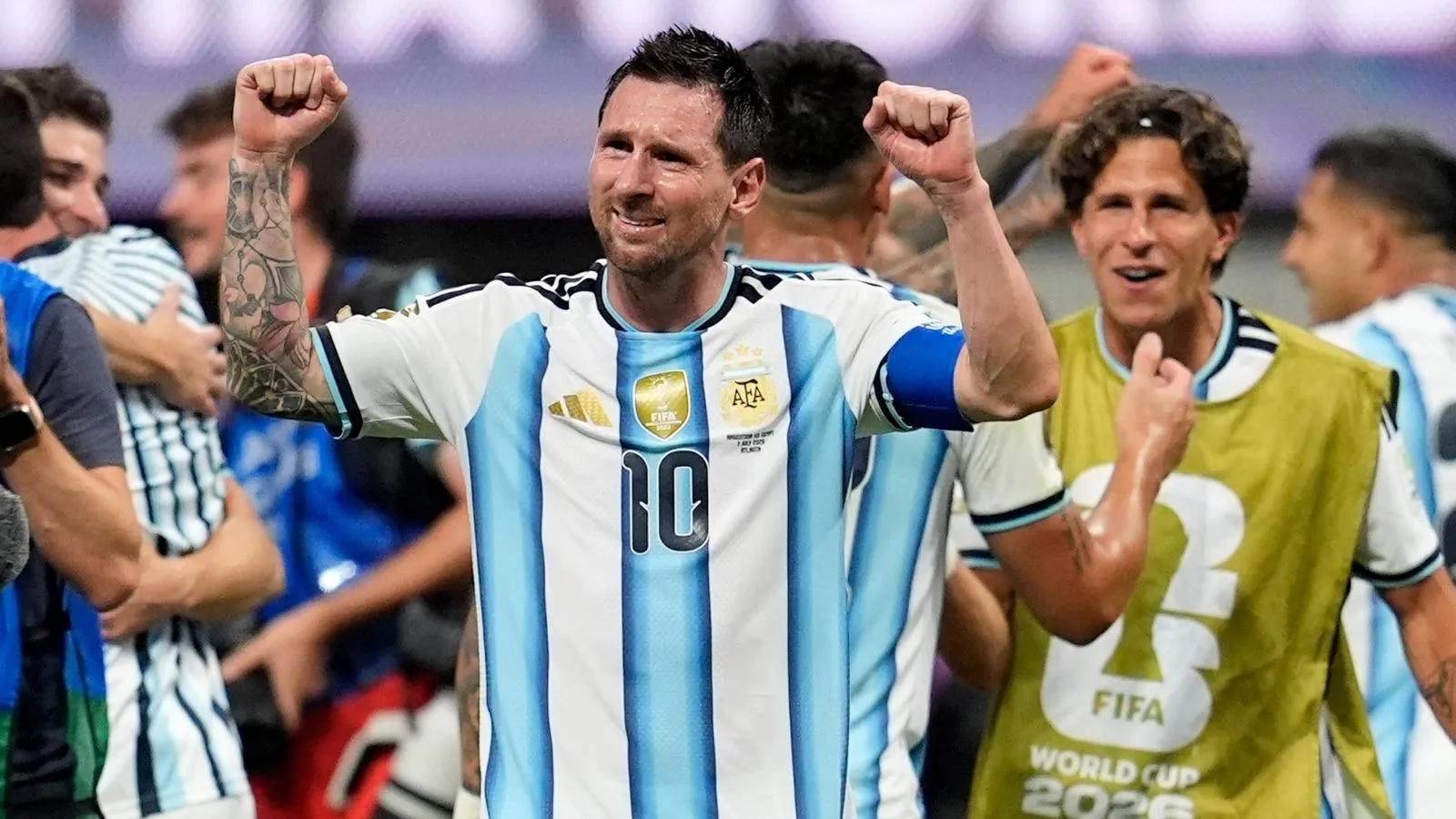
Lionel Messi has announced his retirement from international football, thus ending a senior career with Argentina that started 21 years ago. He retires as one the greatest players to have ever worn the famous colours of Argentina, having won over 200 caps for the side and scored 125 goals, more than twice the tally of the next highest goalscorer in the nation’s history.
“After all this time that has passed since the final, and after much thought, I want to announce to everyone that I am retiring from the National Team…” said Messi in the statement, which he posted on his Instagram account on Monday.
Here is a look at the timeline of Messi’s international career:
August 17, 2005: International debut in a friendly vs Hungary
Messi had led the Argentinain U20 team to victory in the South American Youth Championship and the FIFA World Youth Championship in 2005, leading to senior manager Jose Pekerman calling up the 18-year-old to the national team for a friendly against Hungary. Messi came on as a 63rd minute substitute but was promptly sent off just two minutes later.
March 1, 2006: First goal for Argentina
Messi’s first goal in an Argentina shirt came just over half a year after his international debut in a friendly against Croatia. He scored once in Argentina’s 3-2 win.
June 16, 2006: Becomes youngest player to play in the World Cup for Argentina
The 2006 World Cup was Messi’s first tournament with Argentina’s senior team. He made his first appearance as a substitute in a match against Serbia and Montenegro
August 23, 2008: Becomes an Olympic gold medallist
Story continues below this ad
Messi and Argentina reached the final of the men’s football tournament at the 2008 Beijing Olympics, where they faced Nigeria. Messi provided the assist in the only goal of the match that was scored by Angel di Maria in the 58th minute and Argentina won 1-0.
June 22, 2010: First match as Argentina captain
Javier Mascherano was the Argentina captain for the 2010 World Cup. However, Messi ended up wearing armband for their group match against Greece, with head coach Maradona resting Mascherano and a host of other players after Argentina’s 4-1 win over South Korea before the game. Messi was Argentina’s youngest World Cup captain, having turned 23 two days later.
September 2, 2011: First match as Argentina’s full-time captain
The World Cup role was a temporary one but Messi was finally announced as Argentina’s regular captain by Alejandro Sabella in one of his first acts after being made the side’s new head coach. Messi played his first match as La Albiceleste’s regular skipper, interestingly enough, at the Salt Lake Stadium in Kolkata, where Argentina beat Venezuela 1-0.
July 13, 2014: First World Cup final
Messi and Argentina reached the final of the 2014 FIFA World Cup but they went on to lose 1-0 to Germany. Messi was awarded the Golden Ball for player of the tournament.
June 21, 2016: Becomes Argentina’s all-time highest goalscorer
Story continues below this ad
Messi scored in Argentina’s 4-1 win over the United States in the semifinals of the Copa America Centenario. The goal took him past Gabriel Batistuta as Argentina’s all-time highest goalscorer.
June 26, 2016: First retirement
Argentina lost the Copa America Centenario final on penalties to Chile. That was Messi’s third consecutive loss in the final of a major tournament after the 2014 World Cup and the 2015 Copa America. He was in tears throughout the presentation ceremony after the match and suddenly announced his retirement while on his way out of the stadium. “I think this is best for everyone, firstly for me and for a lot of people that wish this,” he said.
August 12: Reversal of retirement
About a month after he had announced his retirement, Messi confirmed that he had reversed his decision and will be playing for Argentina in the 2018 World Cup qualifiers.
July 10, 2021: First major trophy win with Argentina
Messi’s wait for a major international trophy ended at long last about 16 years after he made his debut when Argentina beat Brazil 1-0 to win the 2021 Copa America. It was at the Maracana, which was also the venue where Argentina lost the 2014 World Cup final.
