




Trump’s new US passport plan targets kids’ citizenship: How it could impact Indian-Americans


4 min readNew DelhiSep 3, 2026 09:44 PM IST
The US State Department has proposed new passport requirements that could require parents applying for passports for their children to provide proof of their own citizenship or immigration status.
The draft rules highlight the first close look at how the Secretary of State Marco Rubio-led State Department could implement the executive order passed by President Donald Trump on August 6 targeting what it calls “birth tourism” and broadening historical exceptions to birthright citizenship.
Federal judge blocks Trump’s birthright citizenship order
However, Trump’s order, which calls “birth tourism” and other circumstances fall outside the constitutional guarantee of birthright citizenship, is facing a legal challenge, and a federal judge on September 2 blocked it from being enforced as the case continues.
What would change under the proposed rules?
Under the current process, parents generally establish their relationship to the child and provide government-issued photo identification. They indicate whether they are US citizens but do not normally have to submit separate documents proving their own citizenship or immigration status. The proposed guidance would change that.
What the proposed passport rules say?
Under the proposed guidance by the State Department, parents or legal guardians of children could be asked to submit legal documents such as a valid US passport or birth certificate to prove citizenship or evidence of their immigration status with an I-94 form or permanent resident card, when the passport application for their children is being submitted.
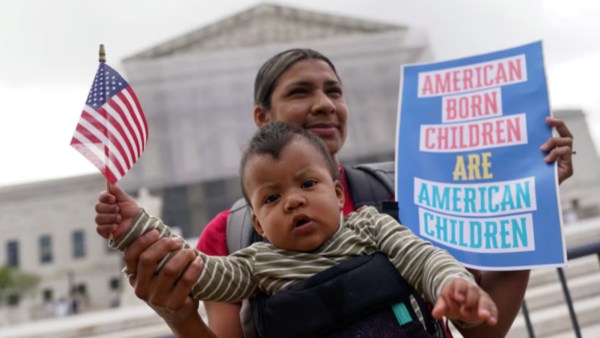 A woman carries her baby as demonstrators rally on the day the Supreme Court justices hear oral arguments over US President Donald Trump’s bid to broadly enforce his executive order to restrict automatic birthright citizenship (Reuters file)
In a statement, State Department spokesperson Tommy Pigott said that “President Trump has been unequivocal that this Administration will protect the meaning and value of American citizenship, full stop, and that includes making sure our passport adjudication process fully reflects that standard,” Reuters reported.
Trump administration’s push against birthright citizenship
Trump administration has been aggressive towards limiting birthright citizenship, as it’s been one of the top priorities in the President’s crackdown on immigration. However, the US Supreme Court had earlier struck down Trump’s attempts to limit birthright citizenship, stating that it violated the country’s Constitution.
pic.twitter.com/tIiSkLrJfM
— Rapid Response 47 (@RapidResponse47) June 30, 2026
Trump’s previous executive order, struck down by the Supreme Court, would have granted automatic US citizenship at birth only to children with at least one parent who was a US citizen or a lawful permanent resident known as a green card holder. The court, in a 6-3 verdict, found that the order was unlawful and the judge’s found that it violated the Citizenship Clause of the Constitution’s 14th Amendment.
Story continues below this ad
What does the State Department draft guidance say?
The draft guidance by the State Department reads, “The Department will require parental information and evidence of parental citizenship or immigration status as part of its determination whether the applicant is subject to EO 14418.”
Why could Indian-Americans be affected?
The Indian-American community, which currently stands at over 5 million people in the US, including more than 1.2 million skilled professionals and their families stuck in the employment-based green card backlog, will face the impact if the State Department goes ahead with the new passport rules for children.
According to US Census Bureau data, out of the 5 million Indian Americans, 34 per cent are US-born, and nearly two-thirds of them are immigrants. If Trump’s executive order on birthright citizenship had prevailed, the majority of Indians working in the US with H-1B visas and other categories would have come under scrutiny, as children born to Indian-origin parents would not have been granted automatic citizenship.
What happens to the passport plan after the judge’s ruling?
The proposed guidance is not the same thing as a final rule. And the underlying August 6 executive order is currently blocked by the September 2 preliminary injunction. Associated Press reported that the administration had argued the lawsuit was premature because agencies had not yet issued final implementation guidance; Judge Boardman rejected that argument.


Stay updated with the latest – Click here to follow us on Instagram
