




Iran-US conflict flares up again, Hormuz traffic hit: What we know

1 min readNew DelhiUpdated: Sep 4, 2026 01:11 PM IST
Iran launched missiles and drones towards Kuwait early Thursday, deepening tensions across West Asia even as US Vice President JD Vance insisted the fighting between Washington and Tehran does not amount to a “war.”
Here’s a full breakdown of the latest developments.
- 01
What was the latest attack on West Asia?
Iran fired missiles and drones at Kuwait early Thursday, and Kuwaiti air defenses intercepted the attack. Kuwait’s Defense Ministry called it a “blatant Iranian aggression” in a post on X. Bahrain and Jordan also reported intercepting Iranian attacks, according to the Associated Press (AP).
- 02
Does Vance consider the US-Iran fighting a ‘war’?
US Vice President JD Vance said the US would not hold talks with Iran unless it stops firing on commercial vessels in the Strait of Hormuz. Prime Minister Benjamin Netanyahu said Thursday that removing Iran’s regime remained Israel’s “main mission” and was now within reach, adding that Iran’s leadership was weaker than ever. JD Vance rejected the term “war” for US-Iran strikes, saying there was currently “no active shooting”. This came as Iran continued its attacks in the Gulf following US strikes on Iranian targets. He also declined to give a timeline on when the conflict is going to end and whether the conflict would end before the November 3 US midterm elections. He said US would not set “artificial timelines”.
- 03
What is happening in the Strait of Hormuz?
Shipping traffic remains far below pre-conflict levels amid fears of Iranian attacks. Lloyd’s List Intelligence recorded 102 transits last week, compared with 130 or more per day before the conflict began. US officials say cargo is still moving through with help from the US Navy. Vance said around 15 million barrels were escorted on Wednesday, while Brent crude stayed above $95 a barrel, according to AP.
- 04
What is happening on Israel-Lebanon front?
The Israeli military said that it had taken operational control of the Ali Taher ridge in southern Lebanon, where Israeli forces and Hezbollah have occasionally clashed recently. The military said troops had cleared Hezbollah fighters from two underground routes, killing some while others fled and that operations in the area were continuing. The ridge overlooks several villages and roads leading to Nabatiyeh and is believed to be near an extensive Hezbollah underground facility. There was no immediate response from Hezbollah.
Israeli police arrested a settler suspected of taking part in an attack on a Palestinian home in the occupied West Bank. Police said the suspect was being questioned and that they would seek an extension of his detention.
- 05
Will schools in Iran remain open?
Iran’s Education Minister Alireza Kazemi said schools will continue with in-person classes despite the ongoing conditions, adding that preparations are underway for a smooth start to the new academic year, according to the news agency Iran International.
- 06
Recent deadly strike on Iranian wedding
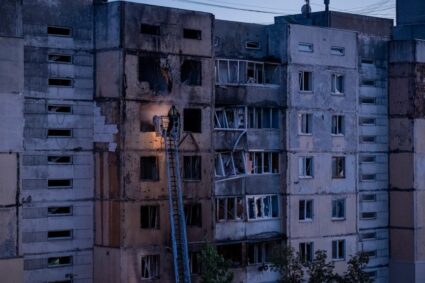
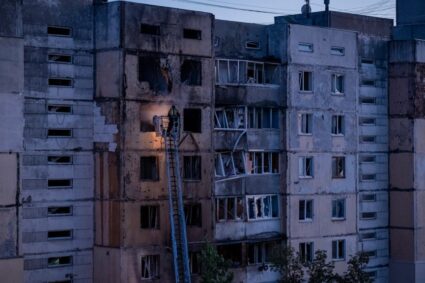
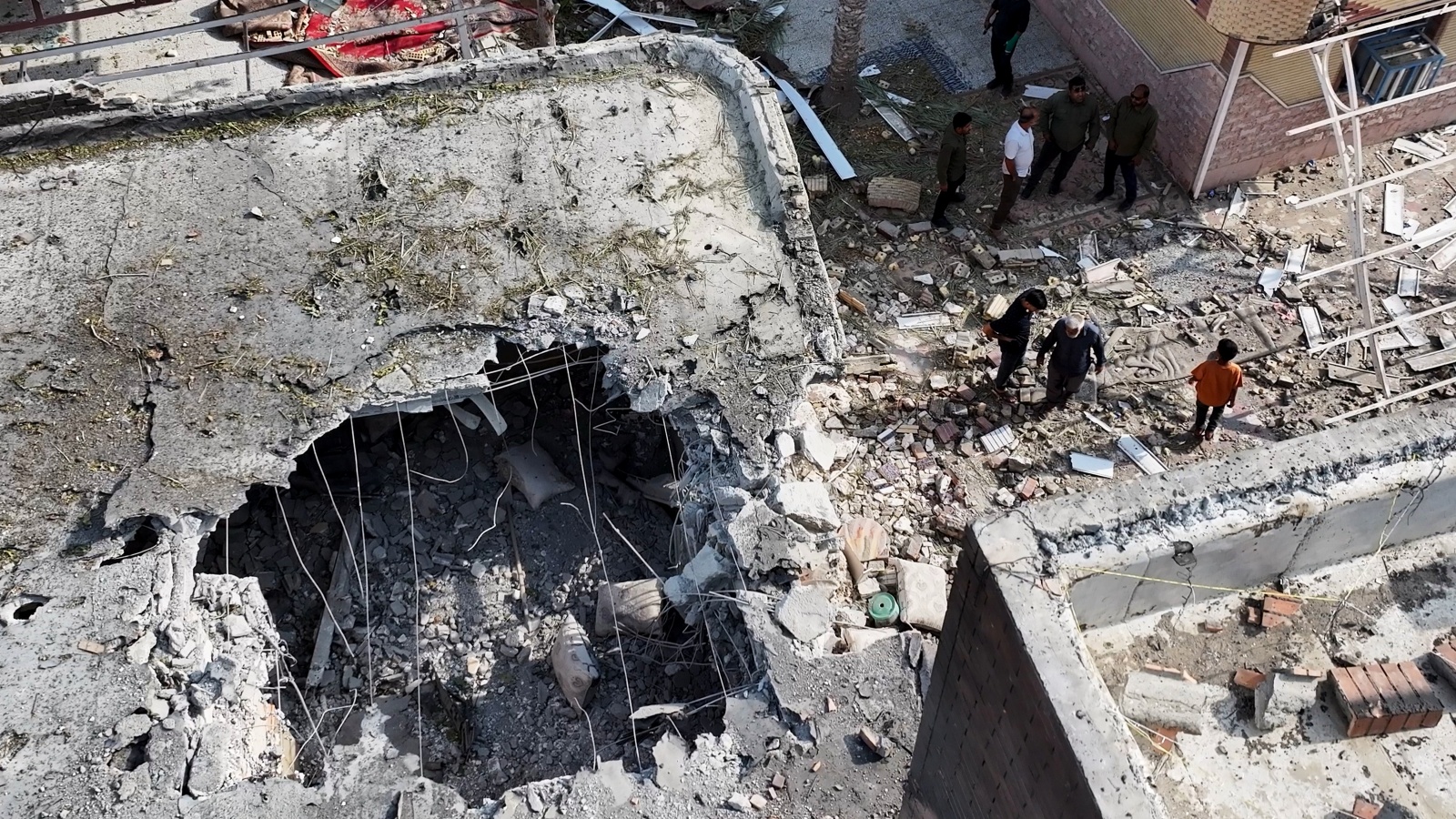
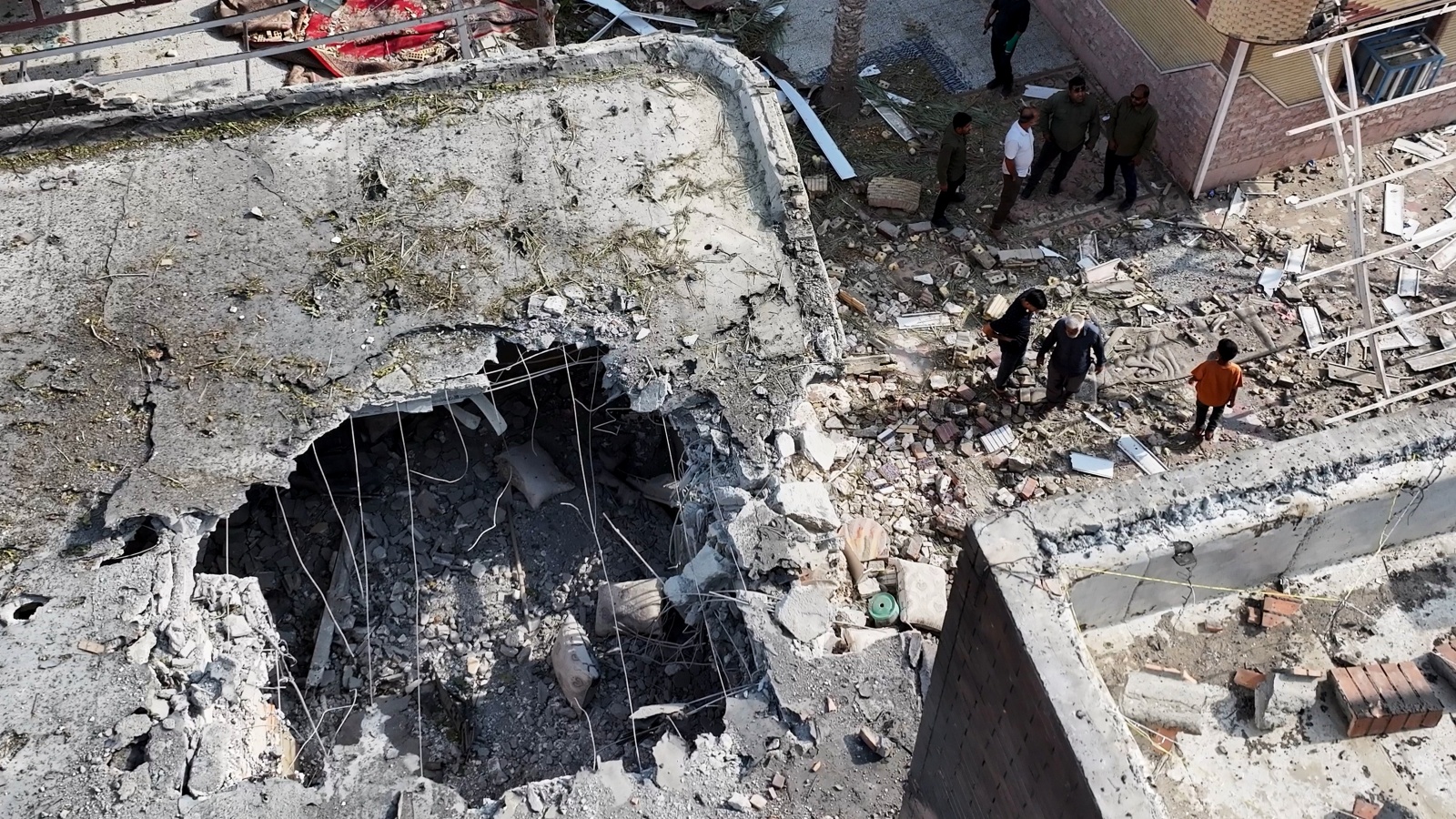
An explosion struck a wedding gathering in southern Iran, killing four people and injuring at least 68 others, with weapons experts saying the blast was likely caused by a direct hit from a US munition. The experts have a conclusion on it after reviewing images and videos verified by Reuters. The incident in the town of Kuhestak has raised fresh concerns over civilian casualties in the US-Iran conflict. The US military had carried out strikes across southern Iran on September 1, aiming at the Iranian air defence, radar and communications facilities. In response to the incident, Vance said that US is investigating whether the wedding was hit, while the US military said it was looking into the reports, says Reuters.
- 07
What did Netanyahu say about Iran’s regime?
Israeli Prime Minister Benjamin Netanyahu said on Thursday that Iran’s Islamic republic could soon fall, describing it as weaker than ever as the United States resumed attacks. Speaking at an event with Israeli military leaders, he said: “This regime is currently teetering. It is weaker than ever. It is fighting for its survival.” He added that overthrowing the regime was “close” and “within reach.” His remarks come ahead of Israel’s October 27 general elections.
- 08
What has happened since the ceasefire broke down?
Netanyahu launched a joint attack on Iran with the US in late February, though President Trump abruptly called a ceasefire in April. Since then, the US has ramped up economic pressure and resumed strikes this week, prompting Iran to retaliate against US allies in the Gulf, Jordan and Iraq’s Kurdistan region, but not against Israel itself. Netanyahu noted this pattern, saying: “If they’re not attacking us, it is not by chance. They attack everyone, but not us.”
- 09
What is happening with the US blockade on Iran?
The US Central Command said on Thursday that its ongoing maritime blockade against Iran had redirected 87 commercial vessels, while US forces disabled three vessels and boarded two others to ensure “total compliance.” Data from Kpler tracking, released by AFP, shows vessel transits through the Strait of Hormuz have fallen sharply since the conflict began, dropping from a daily average of 95 ships in February to just 15 ships a day by August.
Stay updated with the latest – Click here to follow us on Instagram
