






Lindsay Clancy children’s killings: Why was mistrial declared and what’s next?

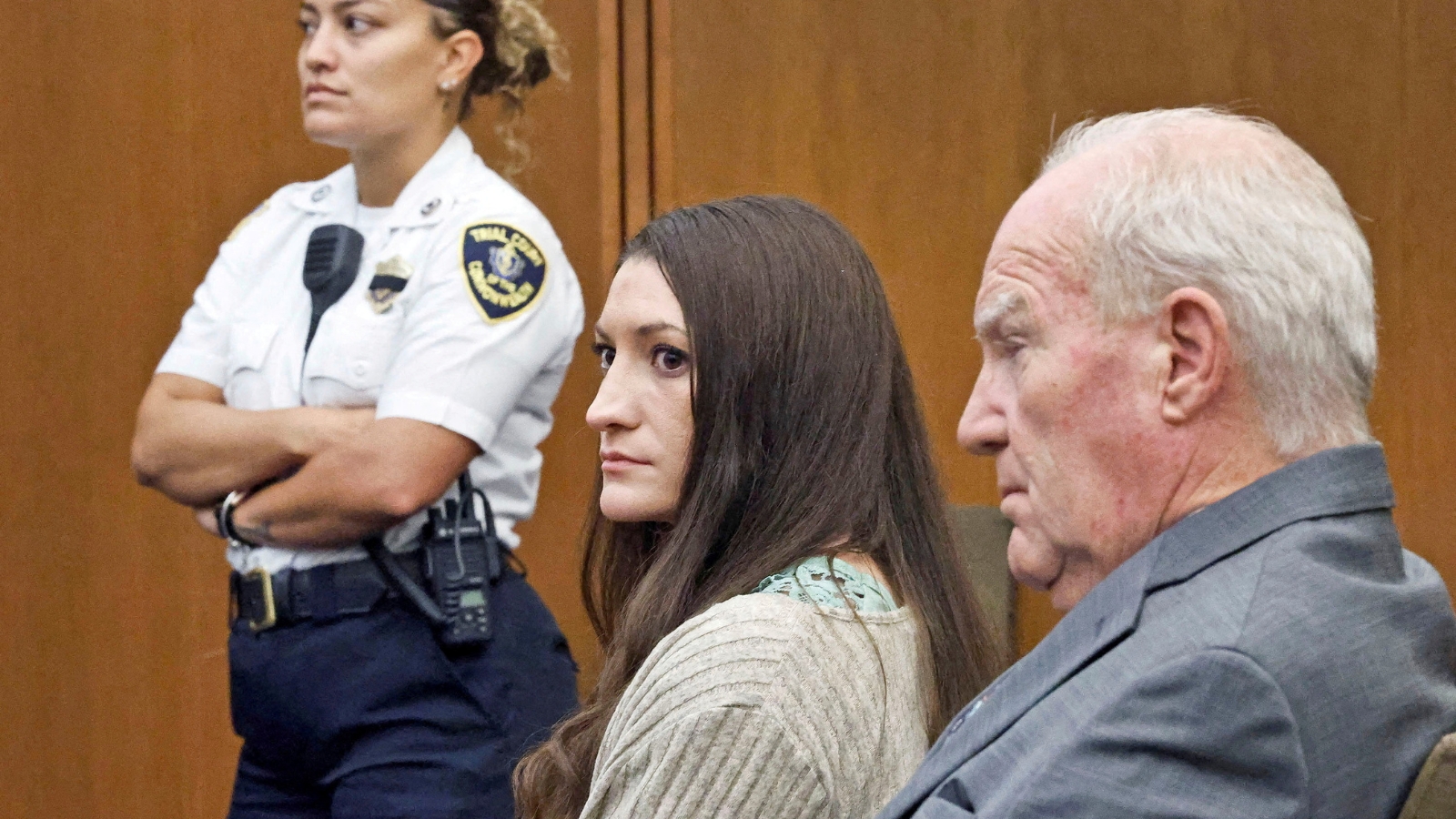
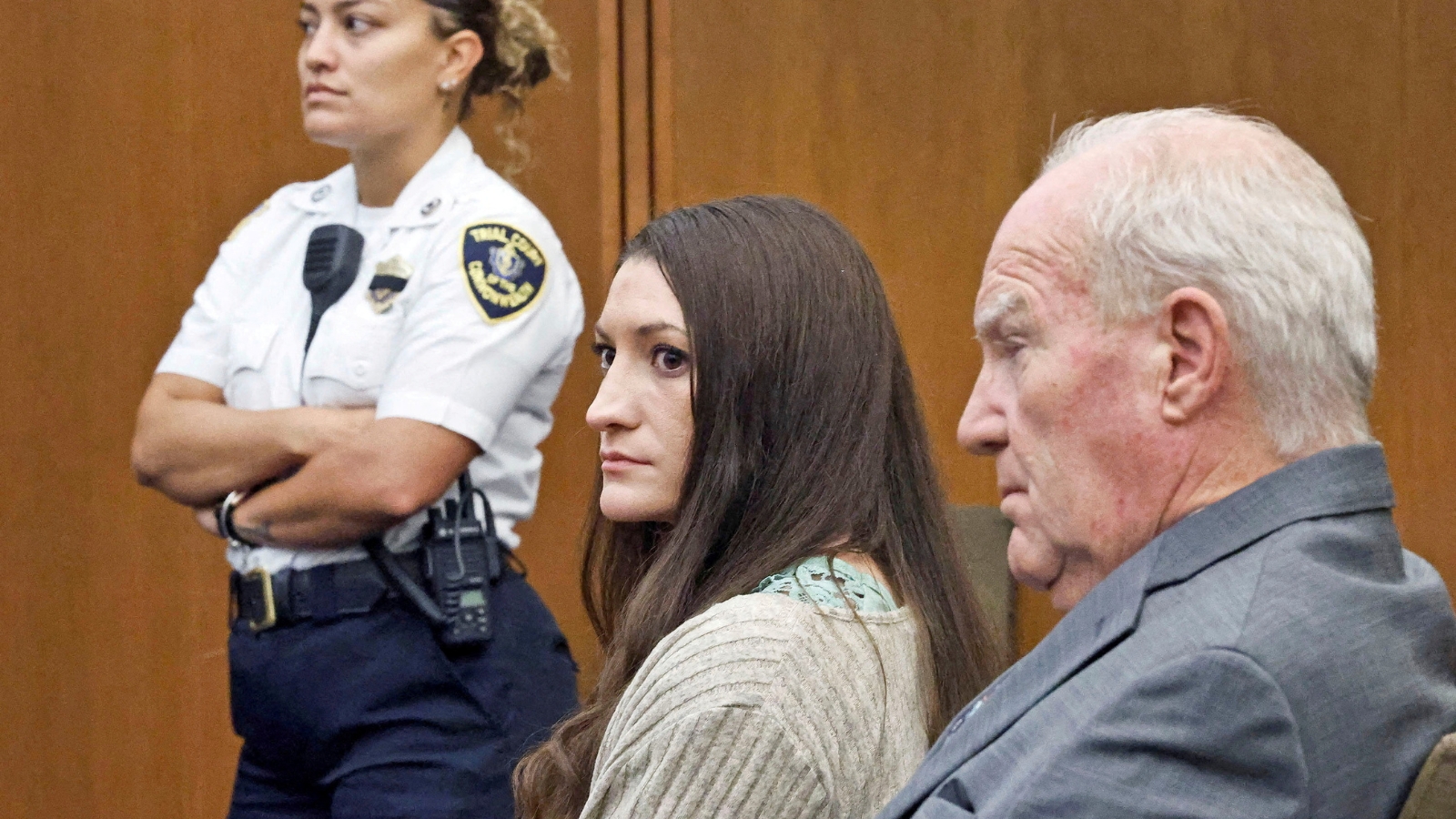
A judge declared a mistrial Friday in the high-profile Massachusetts murder trial of Lindsay Clancy, after a jury failed to reach a unanimous verdict on whether she was criminally responsible for killing her three young children in 2023.
Judge William Sullivan’s decision came after jurors sent the court a third note saying they remained deadlocked, ending nearly six weeks of testimony and seven days of deliberations. An emergency appeal by Clancy’s defence to Massachusetts’ highest court, seeking to keep deliberations going, was rejected before Sullivan formally declared the mistrial, news agency Associated Press reported.
Clancy, 36, a former labour and delivery nurse, has acknowledged strangling her children, 5-year-old Cora, 3-year-old Dawson and 8-month-old Callan, with exercise bands in the basement of the family’s home in Duxbury, Massachusetts, in January 2023. She then attempted to take her own life by jumping from a second-storey window and was left paralysed, news agency Reuters.
WHY IT MATTERS
The case matters because it raises difficult questions about criminal responsibility, severe mental illness, maternal healthcare, jury decision-making and what happens when a high-profile trial ends without a verdict.
The central issue at trial was not whether Clancy killed the children, but whether she was criminally responsible for what she did.
.
World · US · Law
What a mistrial means — and what happens next
The jury in the Lindsay Clancy murder trial deadlocked, and the judge declared a mistrial. This is not a verdict — and not the end of the case.
NO VERDICT
≠
ACQUITTALA hung jury is not a finding of guilt or innocence. The case remains unresolved.
What happens now?
1
The original charges remain unresolved
A mistrial does not determine whether Clancy is guilty or not guilty.
2
No automatic second trial
The prosecution must decide whether to bring the case before a new jury.
3
A retrial is possible
If prosecutors proceed, a new jury would hear the case.
4
The defence has another route
At the September 29 hearing, Clancy’s lawyer can ask the judge to enter a not-guilty judgment.
5
Double-jeopardy question
Because there was no verdict, the legal rules governing a retrial become important.
Bottom line
The case is still open.
.
The Clancy case: two competing arguments
Prosecution argued
She knew the killings were wrong
↓
Criminal responsibility
Defence argued
Psychosis prevented her from understanding or controlling her actions
↓
Not criminally responsible
The jury could not resolve the question.
Sources: Associated Press · Plymouth Superior Court · Clancy has pleaded not guilty by reason of lack of criminal responsibility. No verdict has been returned.
.
Why did the jury deadlock?
Clancy’s defence argued that she was suffering from postpartum psychosis, a severe mental-health condition that can affect a person’s perception of reality after childbirth. Her lawyer, Kevin Reddington, sought a verdict of not guilty by reason of insanity.
Prosecutors did not dispute that Clancy had serious mental-health problems. But they argued that she understood what she was doing and could appreciate that killing her children was wrong. They said she deliberately killed them because she had decided to take her own life and believed they would suffer without her, Reuters reported.
The disagreement became particularly sharp during jury deliberations.
The jury foreperson told the judge Thursday that one juror had acknowledged having doubts about the case but was refusing to apply the legal standard of reasonable doubt when considering the verdict. The defence argued that the juror was biased and asked the judge to remove or further question that juror.
Story continues below this ad
Sullivan declined to remove the juror, saying the law restricted when a juror could be discharged during deliberations. He instead reminded the panel that jurors must follow the law as instructed by the court, whether or not they agreed with it.
The jury nevertheless remained unable to reach a unanimous decision.
Defence sought emergency appeal
After Sullivan indicated that he would declare a mistrial, Reddington was given an hour to seek an emergency intervention from the Massachusetts Supreme Judicial Court.
The defence argued that the holdout juror’s alleged refusal to apply reasonable doubt created a constitutional problem and undermined Clancy’s right to an impartial jury.
Story continues below this ad
A single justice of the state’s highest court heard the emergency arguments but declined to stop the mistrial from going ahead, the AP report said.
Reddington later criticised the juror, saying he believed the other jurors had been prevented from reaching an acquittal. He also said Clancy’s “heart breaks” over the case and that she “deserved an acquittal”, the report added.
Those are defence claims, not findings by the court.
What did the prosecution say?
Plymouth County District Attorney Timothy Cruz said prosecutors had been focused on obtaining justice for Clancy’s three children and said he would not be influenced by public sentiment in deciding what happens next.
“This was and has always been about getting justice for those three little babies,” Cruz said, according to AP.
Story continues below this ad
Cruz also pushed back against attempts to make the trial primarily a debate about women’s healthcare or the treatment of postpartum mental illness. He said those were important issues, but not the question the prosecution had brought before the court.
Cruz said there would be no immediate decision on whether prosecutors would seek another trial.
What happens after a mistrial?
A mistrial means the trial ended without a verdict. It is not an acquittal and does not establish Clancy’s guilt or innocence.
Prosecutors can seek to try her again before a new jury. They could also explore another resolution, including a plea agreement, according to legal experts cited by AP.
Story continues below this ad
Clancy’s lawyer is also expected to ask Sullivan at a September 29 hearing to find her not guilty, a rare procedure permitted under Massachusetts law.
If prosecutors pursue a retrial, the case would essentially return to the pre-trial stage, with a new jury selection process and another trial.
Why was mental illness central to the case?
Clancy’s mental health deteriorated after the birth of her third child. During the trial, family members described her anxiety, sleep problems and worsening mental state. She sought professional help, was prescribed psychiatric medication and spent time in a psychiatric hospital shortly before the killings, Reuters reported.
The defence argued that she was experiencing postpartum psychosis when she killed her children and was unable to control her actions.
Story continues below this ad
Prosecution experts disputed that interpretation. The trial therefore became a clash between competing assessments of how severe Clancy’s psychosis was and whether it prevented her from understanding or controlling her actions.
Postpartum psychosis is rare but considered a psychiatric emergency. It can involve hallucinations, delusions, severe confusion and a loss of contact with reality. Most people experiencing it do not harm themselves or others, but severe cases can carry serious risks.
Stay updated with the latest – Click here to follow us on Instagram
