


“Blatant Lies…”: Centre On 7 “Myths” About Its Covid Vaccination Policy

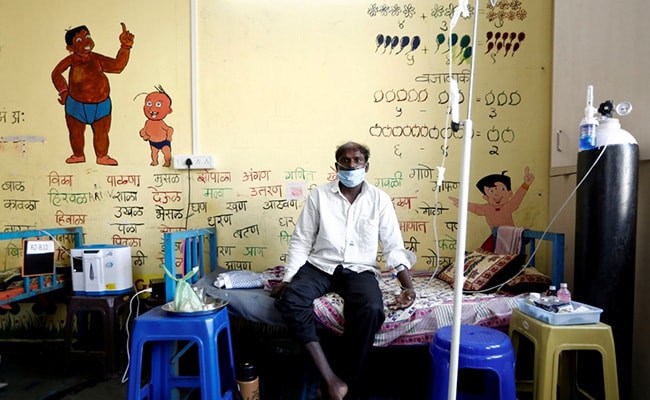

India has recorded over 27.4 crore COVID-19 cases since the pandemic began in December 2019 (File)
New Delhi:
The centre – under fire for a Covid vaccination policy that has seen states frantically red-flag a shortage of doses amid a deadly second wave – hit back Thursday at “distorted statements, half-truths and blatant lies” that have given rise to “myths” about its management of the crisis.
In a statement titled “Myths and Facts on India’s Vaccination Process”, the centre responded with seven “facts” to counter claims it had abandoned states, is not working to increase production (or approve more brands) of vaccines, and is not concerned about vaccinating children.
Among the seven claims refuted by the centre was one that said it is not doing enough to approve vaccines available in other countries, including those already approved by the WHO.
In response the centre said it is working with US pharma giant Pfizer for the “earliest possible import” of its product, and has already approved Russia’s Sputnik V vaccine.
“… buying vaccines internationally is not similar to buying ‘off the shelf’. Vaccines are in limited supply globally and companies have their own priorities… They also give preference to countries of their origin just as our own vaccine-makers did,” Dr VK Paul, Member (Health) NITI Aayog, said.
Sources told news agency PTI Wednesday that Pfizer and the centre are in talks to fast-track approval of its vaccine. However, the demand for legal indemnity is proving a stumbling block.
Pfizer pitched its vaccine as having been approved for use on children over the age of 12 – something for which none of the vaccines currently used by India are cleared.
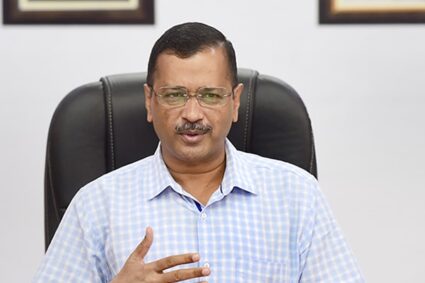
Delhi Chief Minister Arvind Kejriwal has asked the centre to approve the Pfizer vaccine for children but Dr Paul urged restraint, pointing out the WHO has no recommendation on vaccinating kids.
“… vaccinating children should not be decided because some politicians want to play politics… has to be a decision taken after adequate trial data is available,” Dr Paul said in the centre’s reply.
Bharat Biotech’s Covaxin is set to being trials on 2-18 year-old children.
The centre also slammed states criticising its “liberalised” vaccination policy, under which states can buy 50 per cent of required doses directly from manufacturers.
This was cleared after states petitioned the centre to buy doses on their own. However, Delhi and Punjab ran into roadblocks, after Pfizer and Moderna said they would only deal with the centre.
“The fact global tenders have not given any results reaffirm what we have been saying… vaccines are in short supply in the world and it is not easy to procure them at short notice,” Dr Paul said.
The centre also defended itself against criticism it is not doing enough to increase domestic production , saying it has been “playing the role of an effective facilitator”. Earlier this month a top government advisor said over 200 crore doses could be available in India by December.
The centre wrapped up its “myth buster” by criticising “some leaders” – a reference to opposition leaders who have been vocal about their concerns, like Arvind Kejriwal.
“The behaviour of some of our leaders, who in spite of full knowledge of the facts on vaccine supply, appear on TV daily and create panic is very unfortunate. This is not the time to play politics. We need everyone to unite in this fight,” Dr Paul said in the statement.
India has been battered by a devastating second wave of infections that has seen total deaths cross the three lakh mark and active cases hit a record high of nearly 40 lakh on May 14.
There has been a steady decrease since – this morning around 2.11 lakh cases were recorded in the past 24 hours. The decline is good news but experts say the centre must prep for the third wave.
Read the full document here:
Myths and Facts on India’s Vaccination Process by NDTV on Scribd
