

Ayatollah Ali Khamenei, Iran’s supreme leader for 36 years, killed in US-Israeli airstrikes

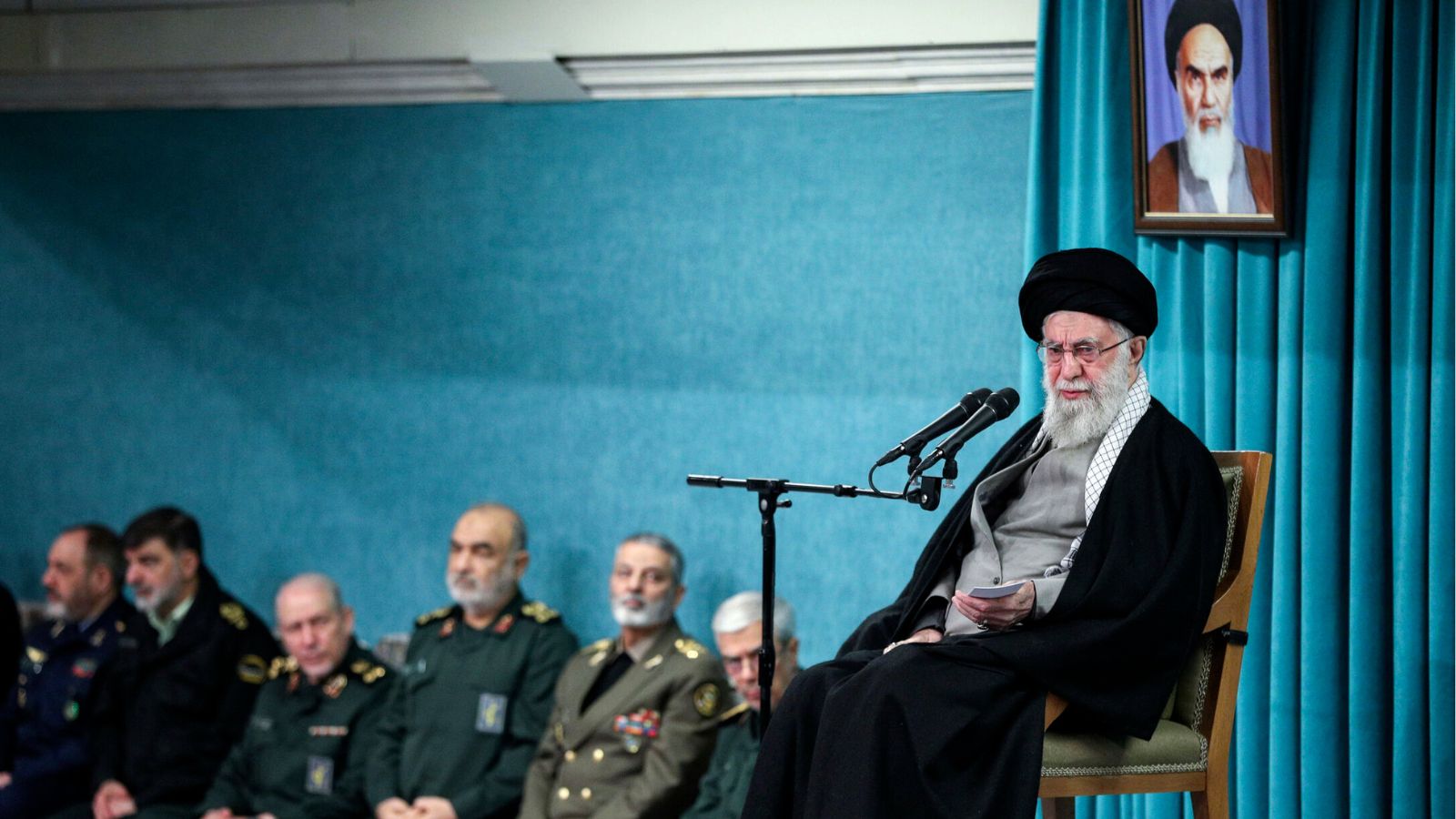
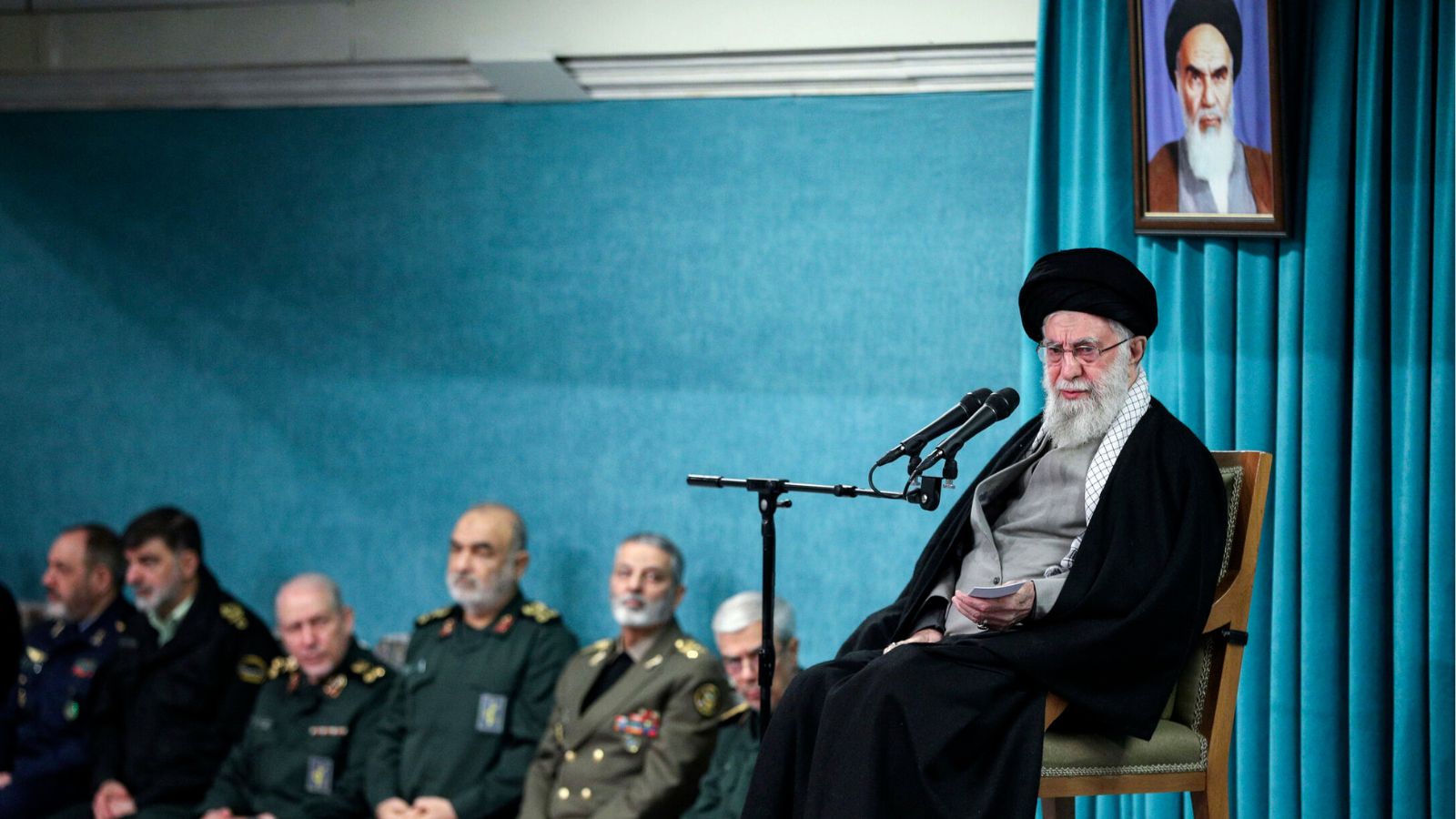 In this photo released by an official website of the office of the Iranian supreme leader, Supreme Leader Ayatollah Ali Khamenei speaks in a ceremony meeting a group of officials, in Tehran, Iran, March 8, 2025. (Photo: AP)
 Ayatollah Ali Khamenei, who led Iran for over three decades and shaped its confrontation with the United States and Israel, was killed on Saturday in US-Israeli airstrikes, Iranian media confirmed early Sunday.
US President Donald Trump said on Saturday that Khamenei had died during strikes targeting Iran’s leadership. A senior Israeli official also told Reuters that his body was found following the attacks. Satellite images showed heavy damage to his compound in Tehran, which was among the first sites hit.
Who was Ayatollah Ali Khamenei?
Khamenei rose to prominence during the 1979 Islamic Revolution that overthrew the Shah. After the death of Ruhollah Khomeini in 1989, he was appointed the supreme leader, despite not holding the highest clerical rank at the time.
In his early years, some saw him as a “compromised” choice. Over time, he strengthened his position by building close ties with the Islamic Revolutionary Guard Corps and other security bodies. While elected officials handled daily government work, no key decision, especially on relations with Washington, moved forward without his approval.
Karim Sadjadpour of the Carnegie Endowment for International Peace once described his rise as an “accident of history” that turned a “weak president” into one of the most powerful figures in modern Iran.
Story continues below this ad
What defined his rule
Khamenei was a long-time opponent of the United States and Israel. He supported armed groups across the region and backed Iran’s nuclear and missile programmes, which Tehran described as “defensive tools.”
He introduced the idea of “heroic flexibility” in 2013, allowing limited compromise when needed. This approach helped clear the way for Iran’s 2015 nuclear deal with world powers. Trump withdrew the United States from the agreement in 2018 during his first term and reimposed sanctions. Iran later reduced its compliance with the deal.
At home, Khamenei relied on security forces to contain unrest. Protests in 2009, 2022 and earlier this year were suppressed. During recent demonstrations over rising prices, he said protesters “should be put in their place” before security forces intervened.
In his final months, he faced renewed US pressure over Iran’s nuclear programme and missiles. He refused to negotiate limits on ballistic missiles. Earlier Israeli and US strikes had killed senior commanders and damaged military sites.
