



6 min readMumbaiAug 9, 2026 07:28 PM IST
F1 cars seem faster, hoodies seem more fashionable and the pork tastes yummier when the badminton is going alright. For first-time BWF Tour titlist Ashmita Chaliha, all the cool things were less cooler when she got the cold shoulder from badminton, after her knee injury put her out in August of 2024.
Freefalling to World No. 211 by October 2025, the world and her sponsors had given up on her, as her 26th birthday approached. Indians can throw age at sportswomen quite cruelly, and in Ashmita’s case that meant losing funds to play a sport she has cocooned herself into, even as the knee took its time to feel alright after surgery. The blazing left-handed jump smash was still far away from its brimming brilliance.
“In 2024, during the Korea Open, I suffered a meniscus tear while playing,” Ashmita recalls. “I underwent surgery in the second week of September, and after that I was away from competition for almost eight months.” She refused to go gently into the autumn.
“That period was extremely difficult. I couldn’t play, my world ranking dropped outside the top 200, and I lost all my sponsorship support. It wasn’t easy for me or my family,” she says of the decision to head back from Bangalore to Guwahati.
ASHMITA CHALIHA IS THE CHAMPION OF THE KOREA MASTERS 2026 ❤️🏆#KoreaMasters2026 https://t.co/LY8zdGH73I pic.twitter.com/nZXXIWovBE
— Badminton Media (@BadmintonMedia1) August 9, 2026
She had to return home. And then she had to stay away from home.
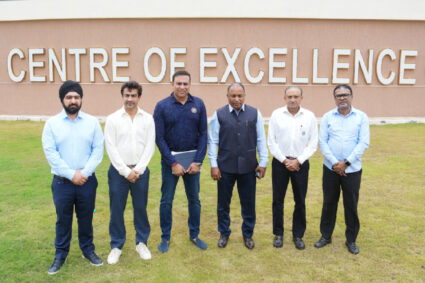
“…And then I shifted to the National Centre of Excellence (NCOE), and that became an important part of my comeback,” the World No. 50 says. “Because I was out of the top-200 rankings, I had to restart from scratch,” says the shy sparky woman, who felt her rock music mellow down and the anime go fuzzy as the game was slipping away, and she had no intention of letting go.
The eight months away from the sport were daunting mentally. “When you are injured and unable to do what you love, you feel stuck. There were days when I felt demotivated and completely drained,” Ashmita recalls.
The unfinished business also stung. “One thought had also stayed in my head for a long time — people would say, ‘You are talented, but you are error-prone.’ I wanted to change that,” she would decide.
Story continues below this ad
Mental reboot
The shuttler, known to carry a separate knapsack for her electronics, would strap on metaphorical sound cancellers to stop being affected by taunts. “After joining here at NCOE I started working a lot on my mentality. I understood that I needed to stop thinking about what people say and be more patient, more consistent and make better decisions,” she says.
It tempered and disciplined her attack. “Earlier, my instinct was always to attack immediately. Now, I am prepared to play the rally a little longer, find moments and then attack — basically wait for the right opportunity and then attack,” she says.
The southpaw strokes were not a problem. The fitness was; it wasn’t allowing her to unleash the most lethal version of her attack. “A major focus during the comeback has been my physical conditioning — increasing my stamina, energy levels, fitness and movement on court,” she says. Her regular training included air biking, gym sessions and running. “After such a long injury layoff, rebuilding the body takes time, so we have worked consistently on getting stronger,” Ashmita adds.
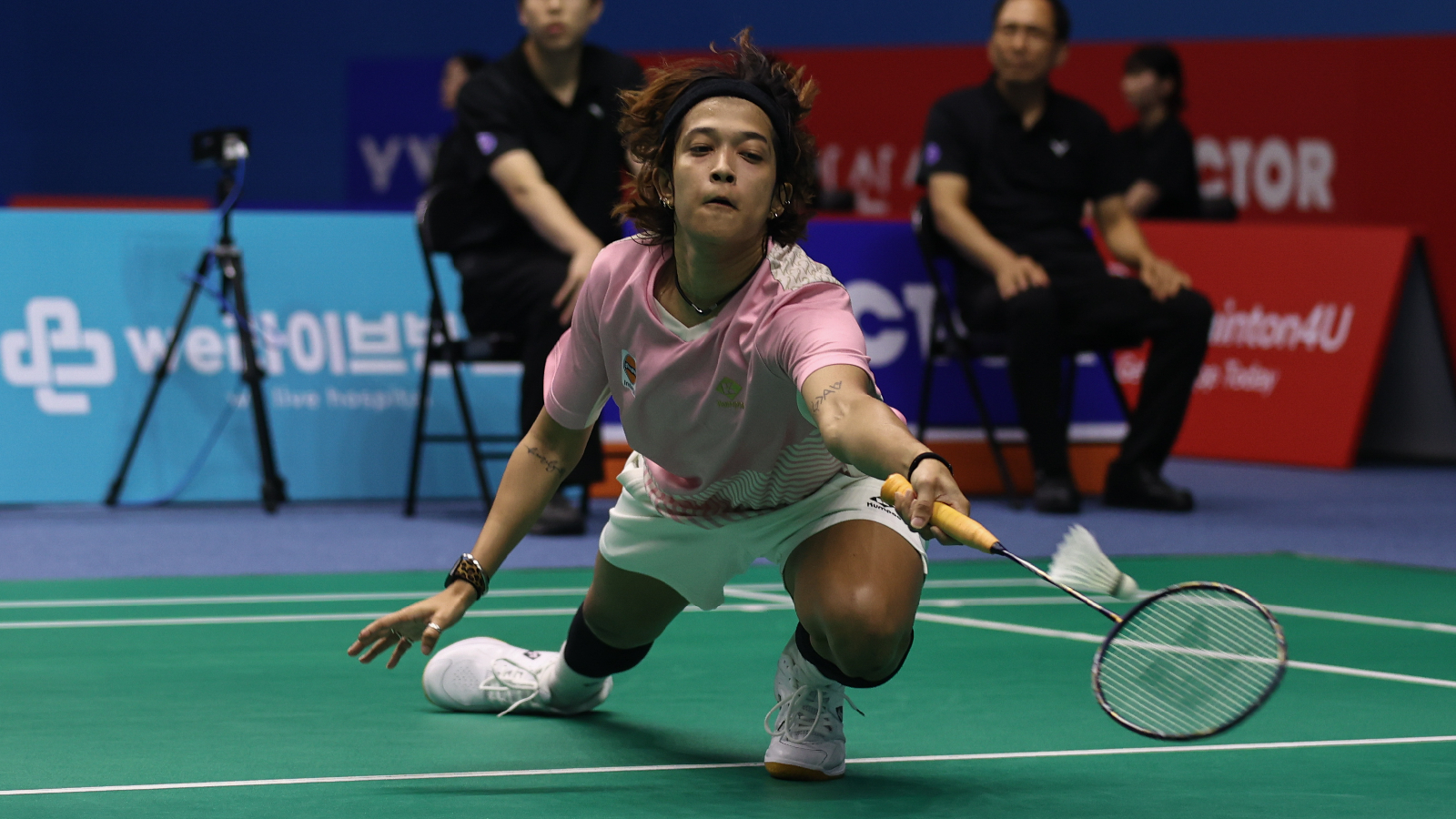 Ashmita Chaliha downed Han Qian Xi 14-21, 21-14, 21-14 in the final. (Badminton Photo)
But injuries leave mental marks. “Even the knee strap I wear now is mainly a precaution. After going through an injury and being away from the sport for eight months, I don’t want to take unnecessary risks,” she says. The attack is shorn of bravado, bankable even.
Story continues below this ad
Her food habits underwent a massive change, though a title deserved a party. “This is coach Park’s home country and I love seafood; hoping the coach will give me a treat,” she says, adding she switched up foods that didn’t suit her after the injury. She got serious about recovery too.
Ashmita made the quarters at Malaysia Super 500 and semis at Macau 300. “It was an important moment for me after everything I had gone through. My trips to Korea and multiple other places so far have been sponsored by NCOE and when I finally am starting to win again, the feeling is unbelievable,” she adds.
It showed in the last point she won. “For a few moments, I almost went blank. More than anything, there was relief — finally. After eight months away, the injury, the financial struggle, losing sponsorships and questioning when I would be able to compete properly again, winning gave me the feeling that all the work was beginning to pay off.”
Once tasted, she wants more titles now. “Very quickly, that relief has now turned into hunger. Post winning, I didn’t want to stop. I just wanted to do more and win more,” she says.
Story continues below this ad
Ashmita dedicates the comeback to her parents, coach Park and her team at National Centre of Excellence. “My parents stood by me even during the period when continuing to play was financially difficult. Coach Park and the NCOE have played a major role in rebuilding me as a player and helping me in this tough time,” she says. The music is back, worming happy tunes into ears.
