



FIFA World Cup: UEFA says ‘red line’ crossed by overturning Balogun ban following Trump call

3 min readMumbaiUpdated: Jul 6, 2026 04:50 PM IST
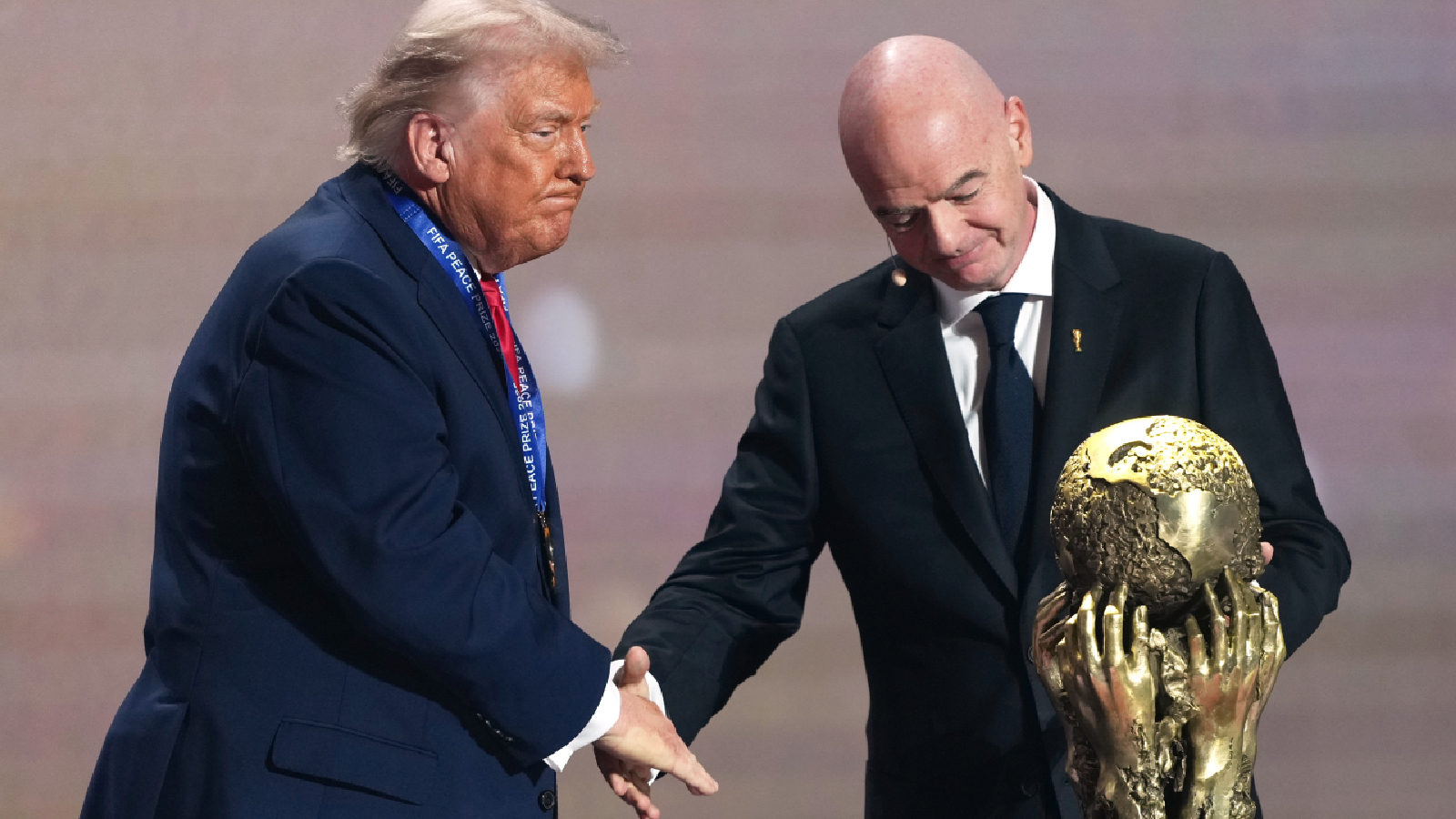
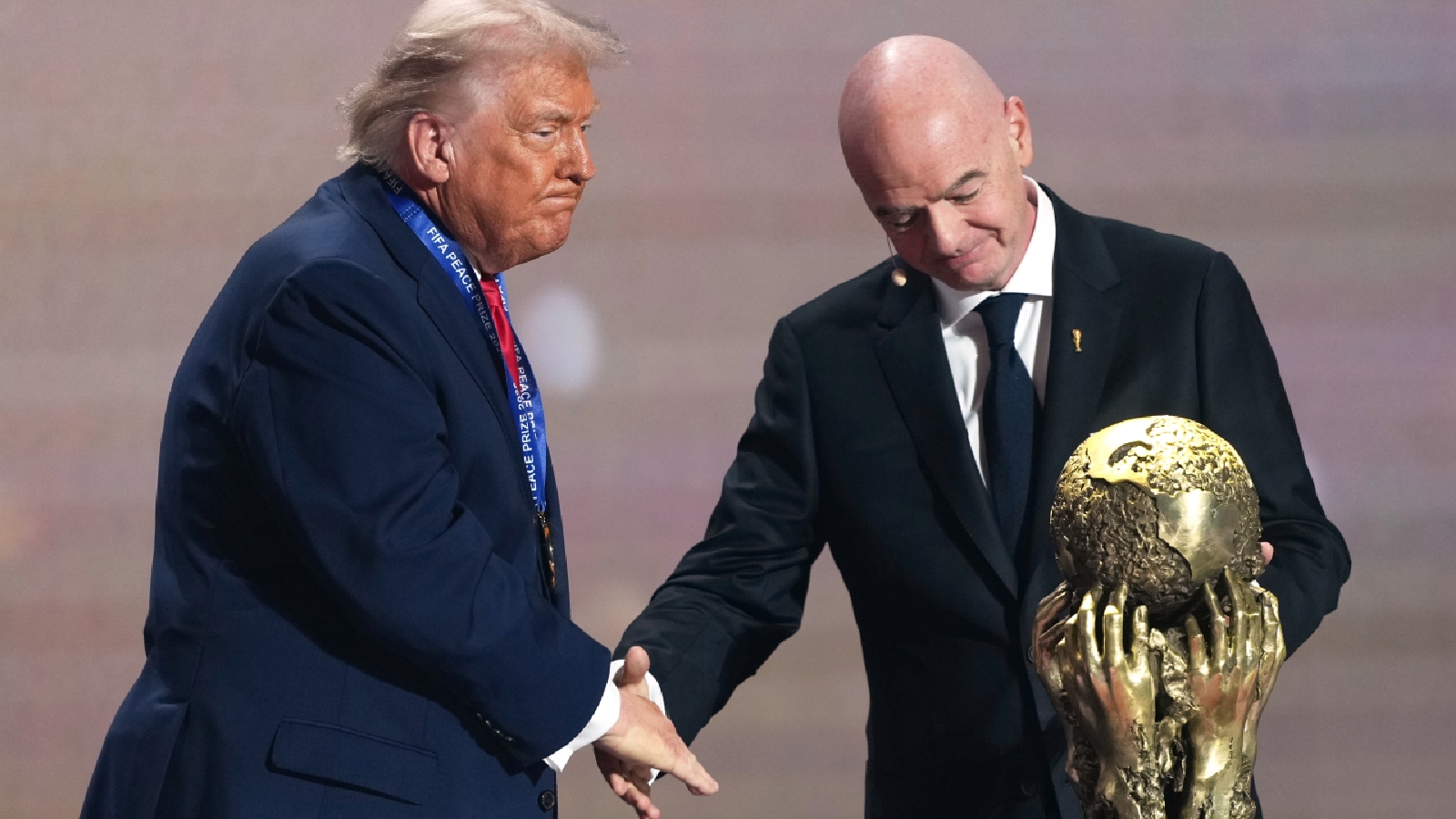
US President Donald Trump’s calls urging FIFA chief Gianni Infantino to review Folarin Balogun’s red card preceded the governing body’s extraordinary decision to lift the US striker’s suspension, as per multiple news reports. The decision prompted a celebratory post from Trump and outrage from Belgium ahead of Monday’s World Cup round-of-16 clash. UEFA, Europe’s continental governing body for football, later slammed the decision, stating a “red line” had been crossed.
“We express our disbelief at such an unprecedented, incomprehensible and unjustifiable decision,” said the UEFA. “When the certainty of rules is no longer guaranteed by its guardians, the integrity of the game is at stake and the credibility of a competition is undermined. Equally, such decision creates a precedent in the ongoing tournament, where similar situations will now require an equal treatment, to the detriment of the competition.”
Trump intervened on behalf of Balogun, the Associated Press reported, and with the suspension now lifted, he will be allowed to face Belgium on Monday (Tuesday morning, IST). According to the Guardian, Trump made three phone calls to Infantino, starting last Wednesday.
Balogun, the United States’ leading scorer with three goals at the tournament, was sent off for stepping awkwardly on the right ankle of Bosnia-Herzegovina’s Tarik Muharemovic during the Americans’ 2-0 round-of-32 victory on Wednesday, triggering an automatic one-game suspension.
FIFA announced on Sunday that the suspension had been lifted for the round-of-16 match, an extraordinary decision that appeared to mark the first time since 1962 that a World Cup red card had not resulted in a suspension.
Trump called FIFA president Gianni Infantino after the match, asking FIFA to review the red card, the AP reported, citing a person familiar with the call.
“Thank you to FIFA for doing what was right, and reversing a great injustice!” Trump said in a statement on social media.
Story continues below this ad
Belgium reacted angrily to the decision. The Royal Belgian Football Association (RBFA) said it was “astonished”, while coach Rudi Garcia mocked FIFA’s move.
“I didn’t know that in the offices of FIFA the fifth of July was the first of April in Europe,” Garcia said through a translator in an April Fools’ Day comparison.
“The Belgian federation does not defend itself, it does not protect the national team. She defends football in general, she defends her integrity, her ethics. I think it’s the first time in the history of the World Cup that there is this kind of decision.”
FIFA said the decision was taken in accordance with its rules. “In line with article 27 of the FIFA Disciplinary Code, the implementation of the match suspension is suspended for a probationary period of one year. If Folarin Balogun commits another infringement of a similar nature and gravity during the probationary period, the suspension shall be revoked and the sanction enforced without prejudice to any additional sanction imposed for the new infringement,” FIFA said in a statement.
Story continues below this ad
According to reports, a total of 189 red cards have been shown in the history of the World Cup. Only two players, however, have not served suspension. Before Balogun, who became the second, it was Brazil’s Garrincha in 1962. He was sent off against Chile in the semi-final, but played in the victory over Czechoslovakia in the final.