





Flights suspended, schools closed as Indonesia’s Anak Krakatau volcano erupts


4 min readSep 6, 2026 11:35 AM IST
Indonesia’s Mount Anak Krakatau erupted early Sunday, sending volcanic ash across parts of western Indonesia and forcing the temporary suspension of flight operations at Jakarta’s Soekarno-Hatta International Airport. The eruption also disrupted school activities and fishing in areas affected by the ash.
The airport initially suspended operations until 5:30 am but extended the halt until 9:30 am after volcanic ash was detected in the area. Indonesia’s transportation ministry said the disruption affected 209 flights, including several international services.
Passengers at the country’s busiest airport were seen seeking refunds and collecting checked baggage as the number of cancelled flights increased. The eruption had been continuing since late Friday, according to Indonesian authorities.
Ash clouds spread across Java and Sumatra
Indonesia’s Center for Volcanology and Geological Hazard Mitigation and Australia’s Darwin Volcanic Ash Advisory Centre identified two volcanic ash clouds using satellite imagery.
One ash plume rose to about 20,000 feet and drifted northeast towards parts of Jakarta, Banten and West Java. A second plume reached as high as 50,000 feet and moved west and northwest, affecting parts of Banten, Lampung and Bengkulu, as well as the southern Sunda Strait and areas of the Indian Ocean west of Sumatra.
The Geological Agency said Anak Krakatau, located in the Sunda Strait between Java and Sumatra, had shown increased activity before erupting at around 3:53 am on Sunday. The eruption lasted about 30 seconds.
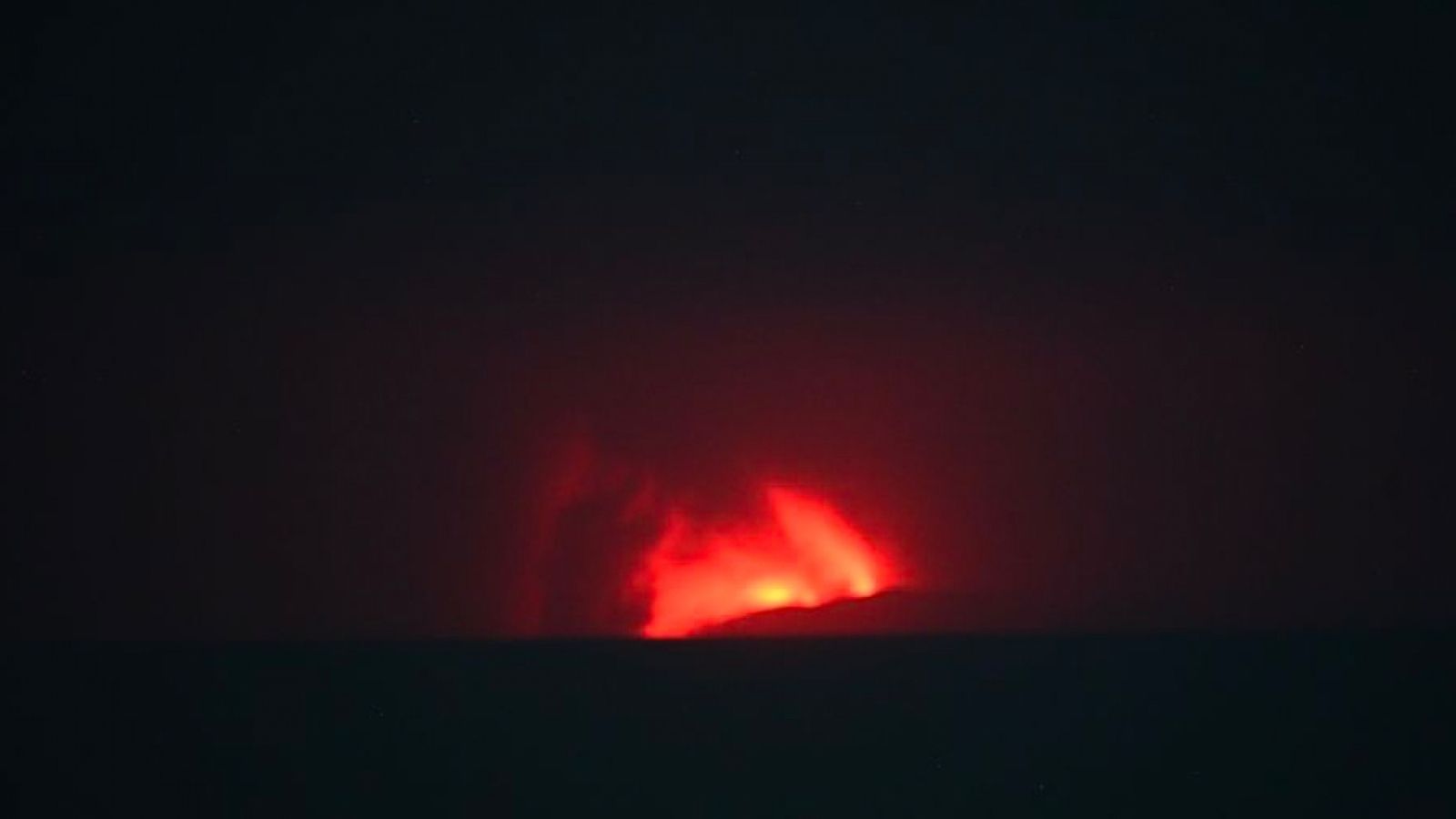 Indonesia’s Anak Krakatau remains closely monitored because of its history of eruptions and volcanic collapses. (Image: AP)
There were no immediate reports of casualties and authorities did not issue an evacuation order. The nearest settlement is more than 16 kilometres away. However, officials advised people to remain at least 3 kilometres from the volcano’s active crater.
Story continues below this ad
Indonesia’s disaster mitigation agency urged people to remain calm but increase vigilance. It advised residents in areas experiencing ashfall to wear masks and eye protection, limit outdoor activities, cover water sources and exercise caution while driving because ash can reduce visibility.
The ash also affected daily life beyond aviation. Several schools cancelled activities, with local reports saying students and residents experienced eye irritation. Fishermen also called off fishing trips because of the eruption.
A volcano with a deadly history
Anak Krakatau, whose name means “Child of Krakatau”, emerged around a century ago in the area once occupied by Krakatau, one of the world’s most notorious volcanoes.
Krakatau was largely destroyed by a massive eruption in 1883. The eruption triggered a series of tsunamis that killed more than 36,000 people across the region.
Story continues below this ad
Anak Krakatau itself became the source of another deadly tsunami in December 2018. A section of the volcano collapsed into the sea during an eruption, displacing seawater and generating waves that struck coastal areas of Java and Sumatra. At least 430 people were killed and hundreds more injured.
The latest eruption has not resulted in an evacuation order, and Indonesia’s disaster mitigation agency said there was no imminent tsunami risk from the volcano as of Saturday.
Indonesia is home to numerous active volcanoes because it sits along the Pacific “Ring of Fire”, a seismically active zone where earthquakes and volcanic eruptions occur frequently. The latest Anak Krakatau activity has nevertheless prompted renewed attention because of the volcano’s location between two of the country’s most populated islands and its history of generating dangerous volcanic collapses and tsunamis.
