


H-1B lottery rejected him 3 times: How an Indian professional got O-1 visa

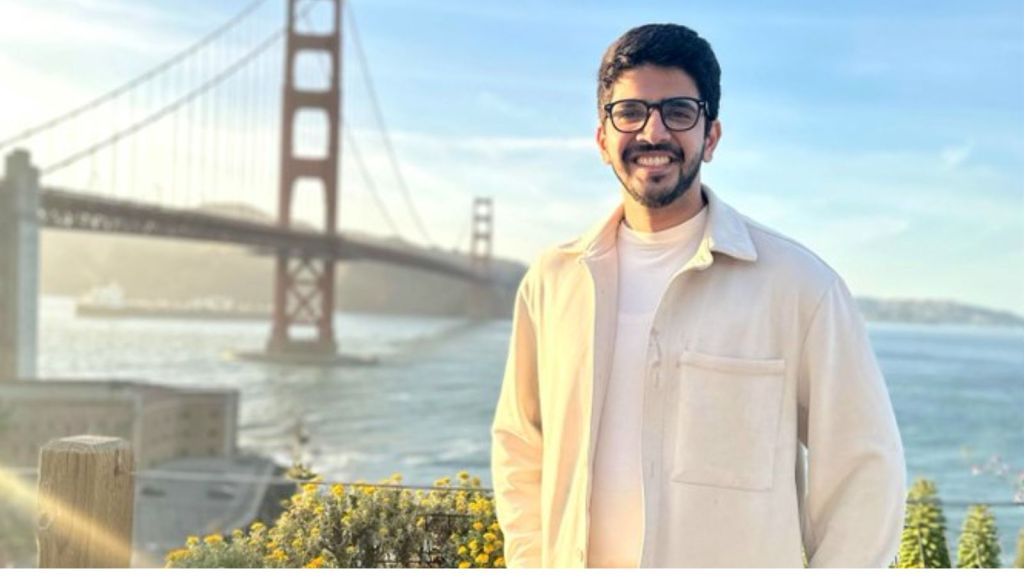
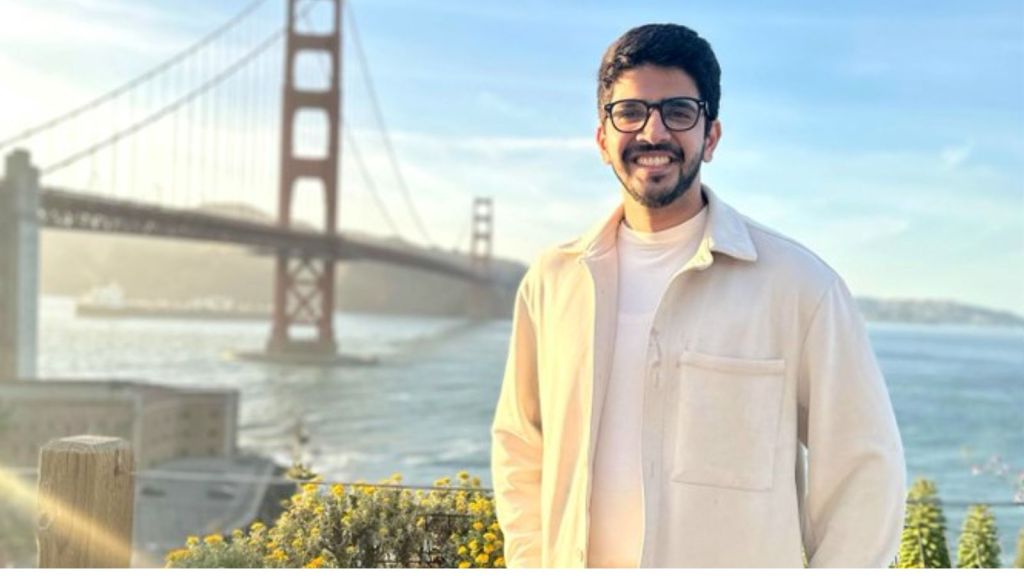 Sohan Sethi (@Iamsohansethi)
An Indian data analytics professional, who was rejected in the US H-1B visa lottery three times, has described how he turned to the O-1 visa, a category for workers who can demonstrate extraordinary ability in their field, to continue his career in the country.
Sohan Sethi, 29, recounted his experience in an as-told-to essay for Business Insider, describing the months he spent building an O-1 application after repeated H-1B lottery setbacks.
Who is Sohan Sethi?
Sethi grew up in Mumbai and spent his first 25 years in India. He studied computer engineering at the University of Mumbai and worked as a business analyst before moving to the US for a master’s degree at the University of Illinois Chicago in January 2022.
What went wrong with the H-1B lottery?
After completing his master’s degree in May 2023, Sethi joined a healthcare company as a senior business analyst and was later promoted to manager of analytics and reporting. But his immigration status remained uncertain: his H-1B registration was not selected in three consecutive lotteries.
Following his second rejection in April 2025, Sethi told Business Insider he began preparing for an O-1 visa, a route that does not depend on a lottery but instead requires applicants to show extraordinary ability in their field.
Story continues below this ad
What is O-1 visa?
The O-1 is a temporary US work visa for people who can demonstrate extraordinary ability in areas including science, education, business or athletics. Unlike the capped H-1B programme, it is not allocated through the annual H-1B lottery. However, eligibility is demanding: applicants must provide evidence showing sustained national or international acclaim and meet the relevant evidentiary requirements.
How did he build his O-1 case?
By February 2026, Sethi said he and his immigration lawyer had assembled more than 700 pages of supporting material, including media coverage, industry judging roles, awards, published work and recommendation letters. He said he spent about $13,000 on legal fees.
His third H-1B non-selection came in March 2026, leaving him with roughly 100 days before his STEM OPT work authorisation was due to expire on July 5, according to his account.
During that anxious stretch, Sethi said he weighed other paths, including moving back to India, starting a second master’s degree, or relocating to Canada or the UK, but felt none offered the same career opportunities available to him in data analytics and AI in the US.
Story continues below this ad
How did he find out his visa was approved?
Sethi told Business Insider he was at his desk in Chicago, repeatedly checking his email, when a message from his lawyer arrived with the word Congratulations. He said his anxiety lifted immediately once he read it; his O-1 visa had come through after three failed H-1B attempts.
The first people he called with the news were his mother and brother in India.
Sethi now manages a team of analysts in healthcare data and analytics. He has also been sharing his experience on LinkedIn, where he offers advice on job hunting, international student life and the O-1 process. His case illustrates one potential route for highly accomplished professionals facing repeated H-1B lottery uncertainty, but the O-1 has its own demanding eligibility requirements.
