





H-1B workers may lose their 60-day safety net: Here’s what it means for Indians

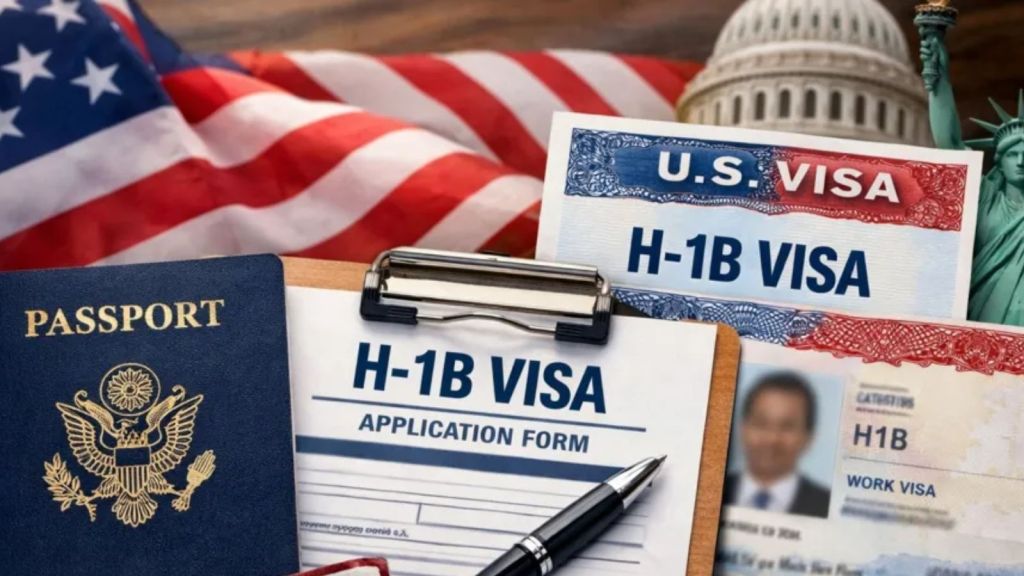
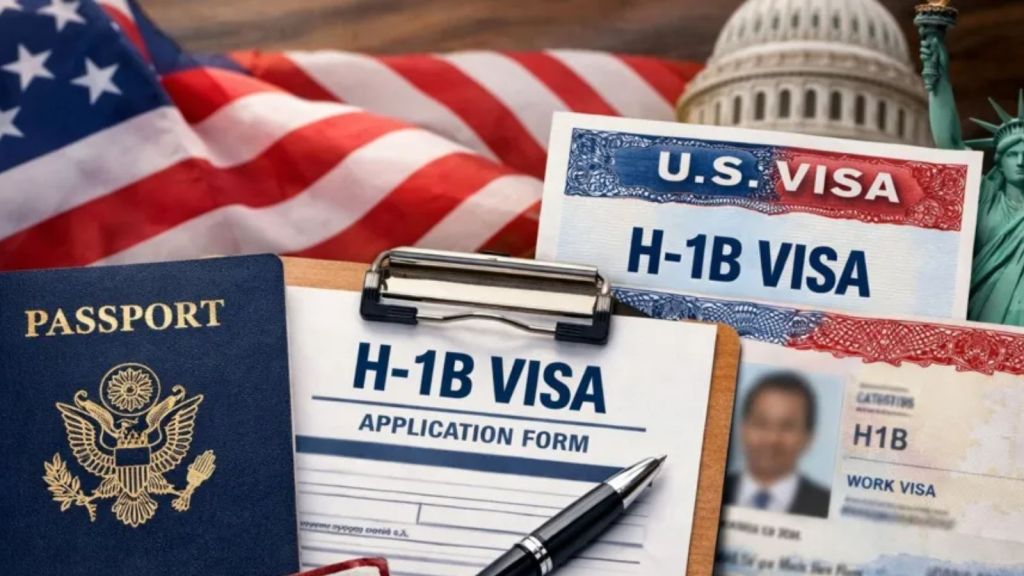 The US may scrap the 60-day window that lets foreign workers on certain visas stay and job-hunt after losing employment.. (File Photo)
The US government is looking at a plan to end the 60-day grace period given to H-1B workers after they lose a job. If this plan becomes law, it could change life for thousands of Indian professionals working in America.
What is the 60-Day grace period?
Right now, if an H-1B worker loses their job, they get up to 60 days to stay in the US legally. During this time, they can look for a new employer, switch to another visa type, or plan their move back home.
This rule started in 2017 and also covers other visa holders like L-1, O-1, E-1, E-2, E-3, H-1B1, and TN, along with their family members.
Why is DHS proposing this change?
The Department of Homeland Security has sent a new plan to the White House Office of Management and Budget for review. The plan wants to remove the 60-day window for workers and their families once their job ends.
This move is part of the Trump administration’s larger effort to H-1B visa holders in America. Government data shows Indians received 71% of all approved H-1B petitions in 2024. Over 5.2 million people of Indian origin currently live in the US.
If this rule goes through, Indian workers who lose their jobs could be forced to leave the country almost right away. They may no longer get time to find a new sponsor or shift to another visa while staying in the US.
Story continues below this ad
What changes for a worker who loses a job?
A laid-off H-1B worker can:
- Use the 60 days to find a new company willing to sponsor them
- Try switching to another visa category
- Explore other legal ways to stay in the country
If the grace period is removed, none of these options would be available in the same way. Workers may have to exit the US almost immediately unless immigration officials grant a special exception.
The impact on families
Family members on H-4 dependent visas are also covered under the current system. If the rule changes, an entire family could be forced to make sudden decisions about jobs, schools, and housing, all within a very short time.
More pressure on H-1B visas
This isn’t the only change affecting H-1B holders. Some other recent developments include:
Story continues below this ad
- A $100,000 fee was proposed for new H-1B applications, though a court has paused it for now.
- A new rule may raise fees for H-1B extensions.
- Some lawmakers are pushing to end the H-1B programme altogether.
What should Indian H-1B workers do now?
Since the rule hasn’t taken effect yet, there’s no reason to panic. But it’s worth staying informed. Keeping an eye on updates in the Federal Register and thinking ahead about backup plans can help avoid last-minute stress if the change does eventually go into effect.
