


Hillary Clinton says ‘India, China could hold the key’ to Trump’s Iran exit

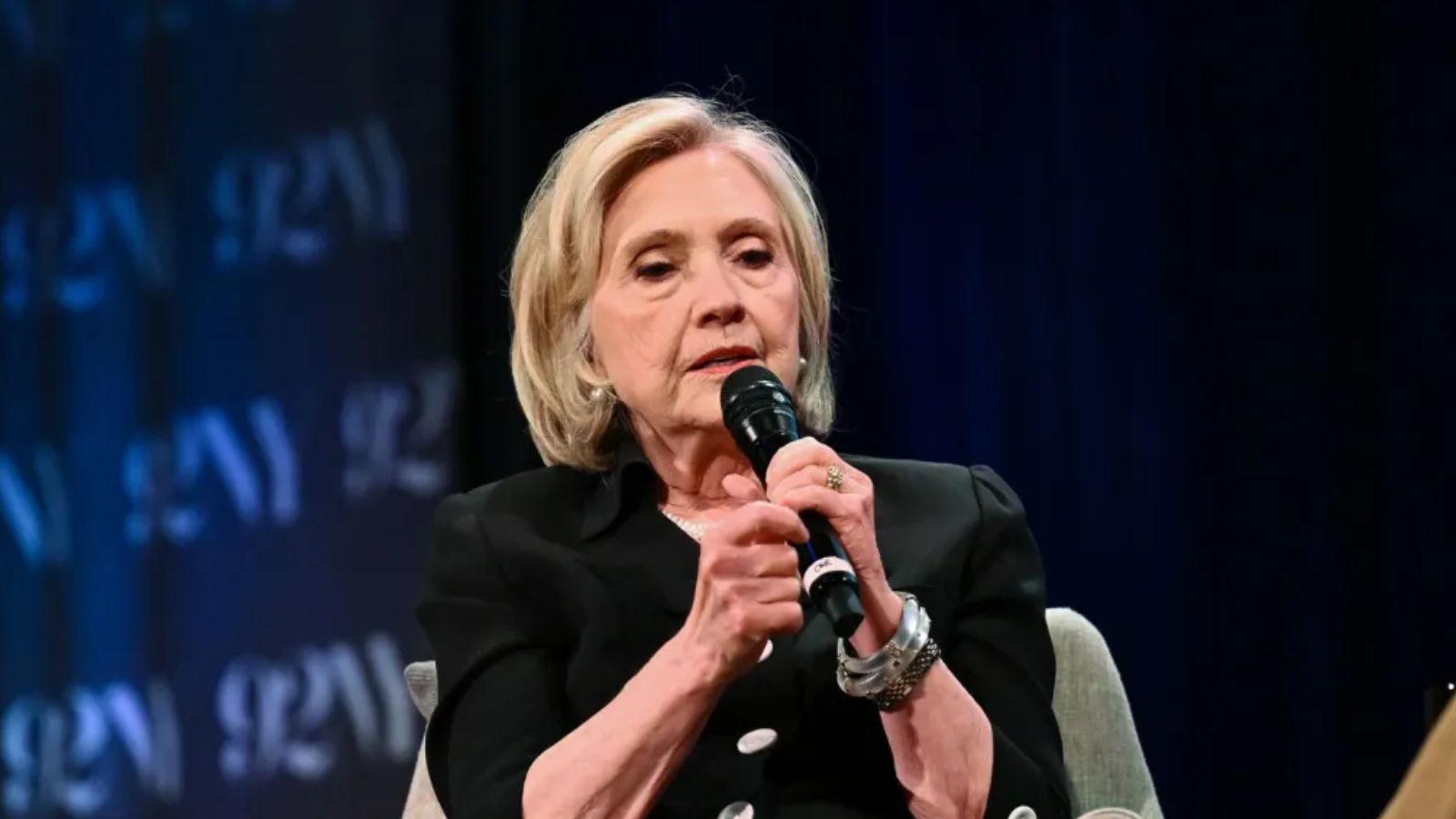
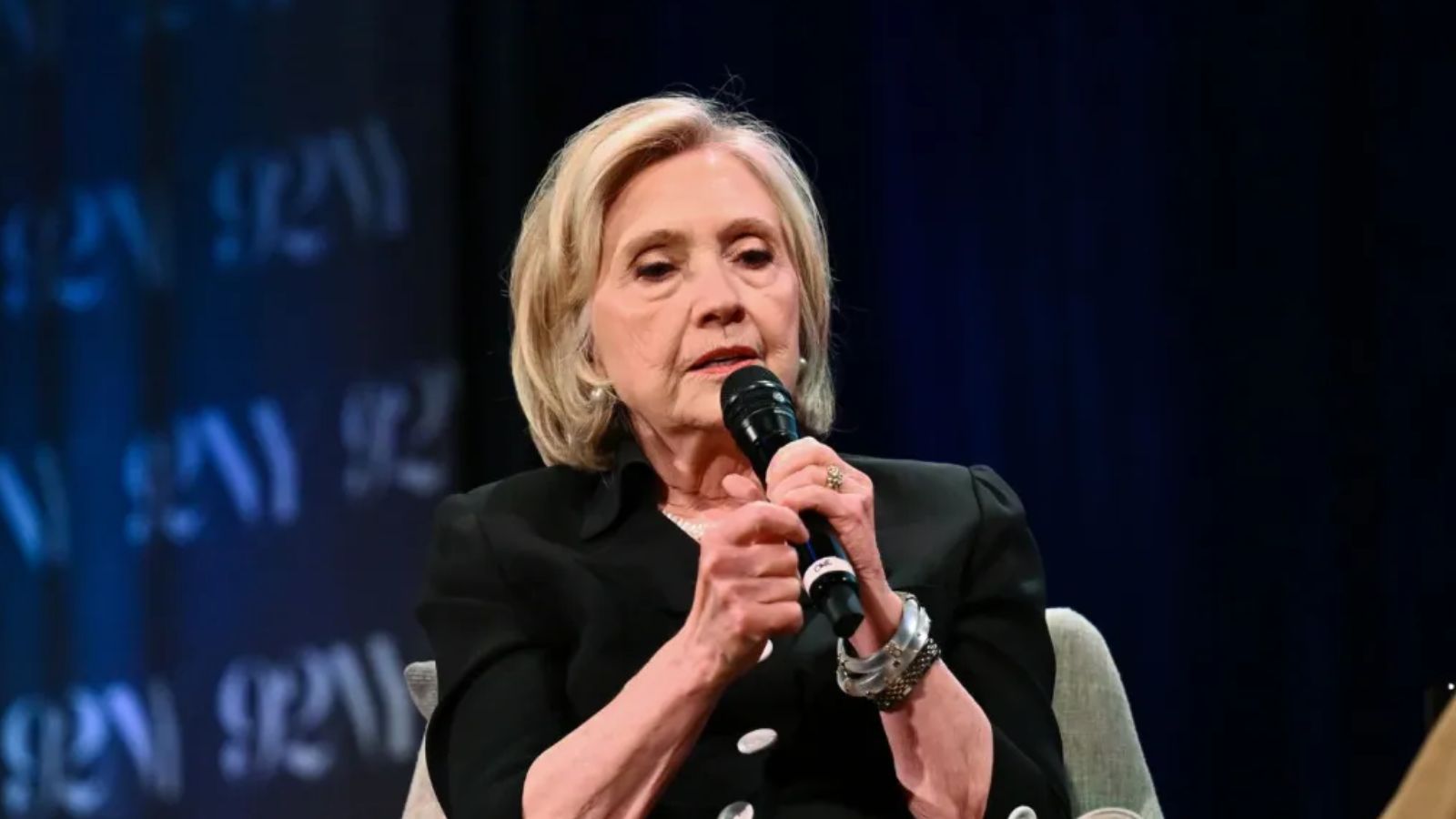
Former US Secretary of State Hillary Clinton has said India and China could be key to helping President Donald Trump find a way out of the conflict with Iran, pointing to their economic ties with Tehran and purchases of Iranian energy.
“If you want to figure out how Trump can get out of this, I think the key to it is probably China and India,” Clinton said.
Explaining her reasoning, Clinton said China and India were the biggest buyers of Iranian oil and gas, giving them potential leverage over Tehran.
🇺🇸 Hillary Clinton says China and India could play a key role in helping Trump resolve the West Asia conflict.
Clinton pointed to their major purchases of Iranian oil and gas as giving both countries significant leverage.
“Key to it is probably China & India,” Clinton said,… pic.twitter.com/WqvlGatzAi
— Asia Nexus (@nexusasian) August 25, 2026
How would Clinton pressure China over Hormuz?
During the conversation, Clinton was asked whether she would impose secondary sanctions on China. She was also asked whether she would blockade the Strait of Hormuz.
Clinton said she would use the threat of secondary sanctions as leverage, telling China it should help persuade Iran to reopen the Strait of Hormuz and return to the “status quo ante”.
“I would certainly tell the Chinese I was unless they were going to help us to try to get the Iranians to open the Strait of Hormuz and try to go back at least to the status quo ante,” she says.
‘Diplomacy instead of bluster’
Clinton argued that India and China could provide Washington with economic leverage over Iran and urged Trump to pursue diplomacy rather than further military pressure.
Story continues below this ad
“It does seem to me that that is where the best pressure would come if Trump were willing to use diplomacy instead of bluster,” she said.
Clinton also accused the Trump administration of superficial decision-making before attacking Iran, questioning whether the president understood the risk of Tehran closing the Strait of Hormuz. She said US strikes successfully killed senior Iranian leaders but failed to produce the promised collapse of the regime.
Hillary Clinton on Iran:
If you know anything about Iranian history, if you know anything about how the Iranian military, the IRGC, and the people inside it operate, they run the country. The clerics are figureheads.
Were they ever going to quit just because the leaders were… pic.twitter.com/Tc27KcReLR
— Clash Report (@clashreport) August 25, 2026
Why does India matter?
India’s role is different from China’s. New Delhi has historically been a significant buyer of Iranian crude, but its purchases were halted after US sanctions forced Indian refiners to stop importing Iranian oil in 2019. Indian refiners resumed buying Iranian crude this year amid disruption to supplies from the region.
India also has a major stake in the Strait of Hormuz, through which a substantial share of its imported crude, LNG and LPG normally passes.
Story continues below this ad
Iran vows to resist widened US sanctions, says Washington seeks talks
Clinton’s comment came even as the Trump administration on Monday widened economic pressure on Iran, with the US Treasury announcing sanctions on 60 individuals, entities and vessels. Countries continuing to trade with Iran risk being shut out of the dollar-based financial system.
The new sanctions notably did not target key Chinese financial institutions suspected of facilitating Iran’s oil trade. China is Iran’s biggest oil buyer, and Iranian oil flows to China have been disrupted during the conflict.
China on Tuesday said its cooperation with Iran was conducted within the framework of international law and should not be interfered with or disrupted.
Iran pledged to fight back against the expanded US sanctions. Economy Minister Ali Madanizadeh said Tehran was ready to respond, while the Revolutionary Guards warned of attacks on US interests and key energy routes if Iranian infrastructure was threatened.
Story continues below this ad
Iran has also signalled a willingness to resume talks, with Pakistan acting as an intermediary between Tehran and Washington.
Iranian lawmaker Abbas Golroo said Pakistan Army chief Asim Munir had delivered a message from Washington to Tehran, with the apparent aim of reviving the stalled political process. Pakistan said its talks with Tehran had made “significant progress”, with discussions focused on preventing further escalation and reopening the Strait of Hormuz.
Tensions remain high in Strait of Hormuz
Tensions around the key waterway remain high. An oil tanker was struck by an unidentified projectile and disabled about 9 nautical miles (17 km) northeast of Oman’s Ash Shishah on Tuesday. Ash Shishah lies at the entrance to the Strait of Hormuz.
Oman’s foreign minister also travelled to Tehran for talks on arrangements for managing the Strait, as Iran and Oman discussed ways to restore navigation through the key waterway.
