4 min readUpdated: Sep 11, 2026 06:19 AM IST

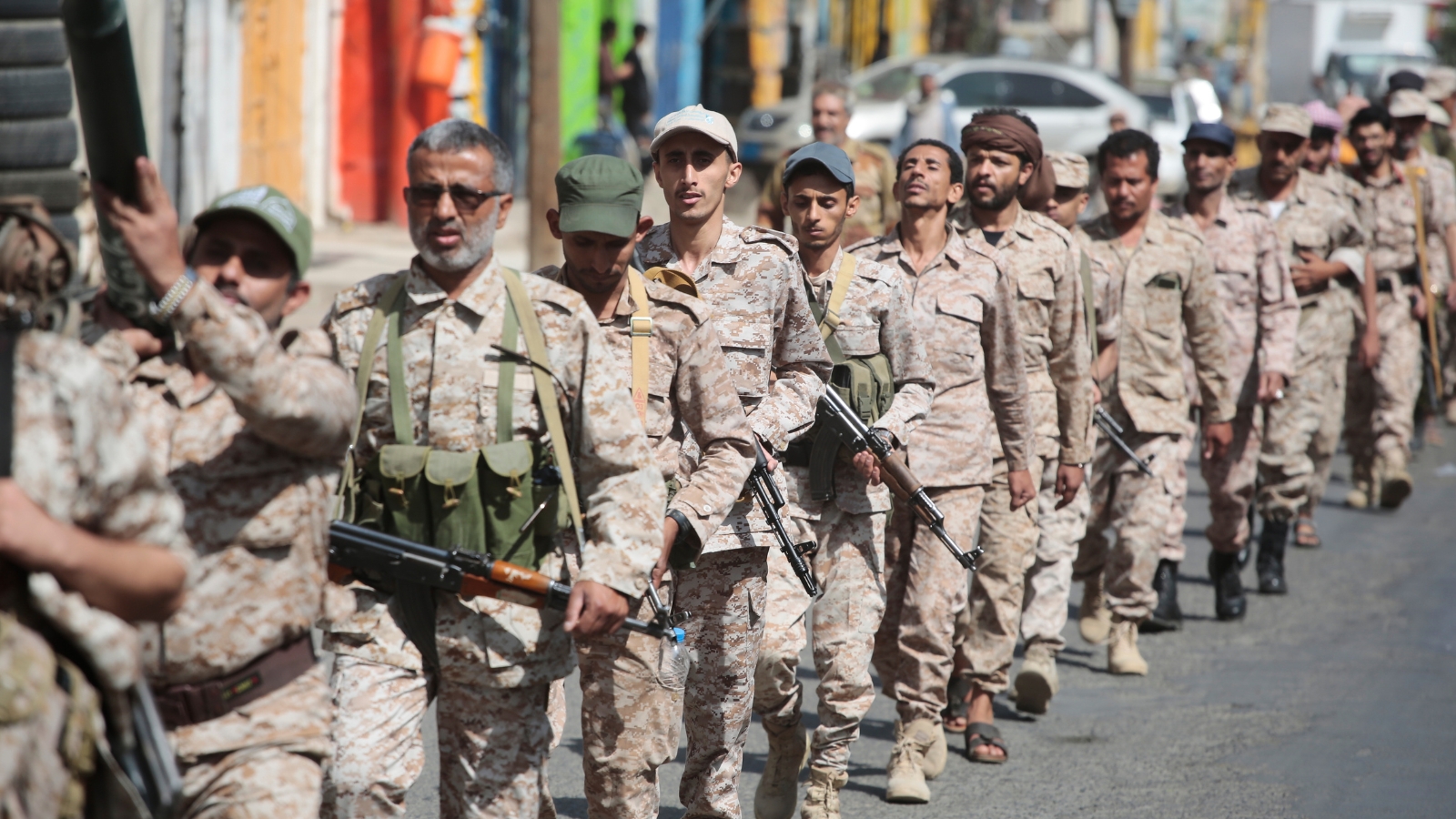
Iran is increasingly relying on the Houthis in Yemen and allied militias in Iraq to pressure Saudi Arabia and other US allies in the Gulf, according to regional officials and experts.

The latest escalation came on September 8, when Iran-aligned Houthi forces launched missile and drone attacks on southern Saudi Arabia, hitting energy facilities linked to state oil giant Aramco in Abha, Najran and Jizan. The attacks caused fires and temporarily disrupted operations at some facilities, while 73 people were wounded, according to Saudi authorities.

The attacks came as the Houthis expanded their presence along Yemen’s Red Sea coast. On Thursday, four Yemeni government military sources told Reuters that the group had seized the historic port city of Mocha, about 80 km from the Bab el-Mandeb Strait, one of the world’s most important shipping routes.

.

Yemen · Red Sea · Iran Conflict

Houthis expand their reach

Attacks on Saudi energy sites and the capture of a strategic Yemeni port have opened what analysts call a second front in the wider Iran conflict.

Yemen

Mocha, Bab el-Mandeb

Saudi Arabia

Aramco sites hit

September 8, 2026

Saudi energy sites struck

Houthi ballistic missiles and drones struck a Saudi Aramco distribution facility at Abha Bulk, causing major operational stoppages at one of the kingdom’s energy sites.

Why Aramco

Striking energy infrastructure lets Iran-aligned forces put pressure on Saudi Arabia, a US ally hosting American troops and bases.

Not the first

Houthi forces have repeatedly targeted Aramco facilities, Saudi airports and multiple cities during the current escalation.

This week

A strategic Yemeni port falls

Houthi forces took control of the port city of Mocha, according to four Yemeni government military sources. Government-aligned forces are relocating south to Dhubab, opposite Perim Island, as fighting continues on the nearby Hanish islands.

“It is a significant strategic setback for the Tareq Saleh-led National Resistance Forces and for the Saudi coalition.”

— Umer Karim, Gulf security researcher

What Mocha gives them

A major resupply hub for government forces — and a position from which further advances could cut southern supply lines.

The chokepoint

A key Red Sea shipping route

Bab el-Mandeb links the Red Sea, Gulf of Aden, Arabian Sea, Suez Canal and Mediterranean — one of the world’s most important shipping corridors. Control of Mocha gives the Houthis greater leverage over it.

Perim Island

Yemen’s Presidential Leadership Council has warned that if the Houthis seize Perim — lying directly on the strait — dislodging them would require a major international naval force.

The wider coastline

Houthi forces appear to be pursuing control of Yemen’s whole western coast, expanding their reach over international shipping.

Five weeks

The human cost

Aug 9-10

7-8 killed, 26-30 wounded in a missile and drone attack on Mocha (Yemeni military)

Aug 15

At least 4 civilians killed in a missile strike on Mocha (Yemeni government)

Sept 5

129 killed over two days of clashes advancing on Bab al-Mandab (AFP tally)

Sept 6

60+ more killed in fresh clashes, including 6 civilians in a bus strike (AFP)

These are separate, dated incidents reported over several weeks — not a single combined total. This is an active conflict and figures continue to change.

What’s at stake

Oil, shipping, and a broken truce

Iran’s regional network

The Houthis are trained and aided by Iran’s Revolutionary Guards, part of a wider network of aligned armed groups across the region.

Energy and trade

The escalation threatens global energy supplies and Red Sea shipping — routes that carry Saudi oil to Asian markets.

A collapsed truce

A 2022 UN-brokered truce had largely held back full-scale war in Yemen for years. It collapsed in July 2026, and the fighting since has been the deadliest in years.

This is an active, evolving conflict. Territorial control and casualty figures are changing quickly and should be treated as provisional.

Source: CNN, Reuters, AFP, SCMP and Yemeni government and military statements, August-September 2026.

.

After several of Iran’s most important allies suffered major losses in the wars that followed Hamas’ October 7, 2023, attack on Israel, regional officials and experts say Tehran has increasingly relied on the Houthis and Iraqi militias to pressure Saudi Arabia and other US allies in the Gulf.

In July, Saudi Arabia and the US struck Iran-backed Iraqi militias after the groups were blamed for drone attacks on Saudi oil facilities claimed by the Houthis.

Houthis seize strategic port

The immediate threat is now concentrated on Yemen’s Red Sea coast. Four Yemeni government military sources told Reuters on Thursday that the Houthis had seized Mocha, a historic port city about 80 km from the Bab el-Mandeb Strait.

The Associated Press reported that two residents said Houthi forces had entered and spread across the city, although it could not independently verify their accounts.

Story continues below this ad

The Houthis have also advanced towards the strategic Hanish Islands, according to Yemeni government sources, while government forces and their allies are moving south towards Dhubab. The town sits directly on the Bab el-Mandeb Strait, opposite the island of Perim.

Control of Dhubab and Perim would give either side a crucial position from which to influence traffic through the Bab el-Mandeb Strait.

Key shipping route at risk

Bab el-Mandeb links the Red Sea with the Gulf of Aden and is a critical route for ships carrying oil, fuel and other goods between Asia, Europe and the Middle East via the Suez Canal.

Its importance has increased as the conflict with Iran has severely disrupted shipping through the Strait of Hormuz, a key route for Gulf oil exports.

Story continues below this ad

Saudi Arabia has been sending more oil through the Red Sea as an alternative to the disrupted Strait of Hormuz. But the alternative route is now also coming under pressure from the Houthis.

The Houthis have attacked Saudi oil facilities and shipping in the Red Sea and declared a naval blockade against Saudi shipping.

Yemen risks return to full-scale civil war

The fighting also raises the risk of Yemen returning to full-scale civil war.

A UN-brokered truce in 2022 largely stopped years of major fighting between the Houthis and forces supporting Yemen’s internationally recognised government. Recent clashes are now threatening that fragile calm.

Story continues below this ad

More than 20,000 people have been displaced by fighting in Taiz and Hodeida over the past two weeks, according to Yemeni government data cited by Reuters. Hundreds of women and children also left Mocha on Thursday.

Saudi Arabia says recent Houthi attacks on civilian and economic sites in its south have wounded 73 people, including women and children.

The Houthis, meanwhile, said Saudi strikes hit several provinces in Yemen. Saudi Arabia has not confirmed those strikes.

Saudi warning sent to Iran

Saudi, Pakistani and Iranian sources told Reuters that Pakistan conveyed a Saudi warning to Tehran asking it to rein in the Houthis.

Story continues below this ad

A senior Iranian official told Reuters that Tehran does not control the Houthis. Two other Iranian sources, however, told the news agency that Tehran had instructed the Houthis to attack Saudi Arabia and promised additional funding and weapons.

The Houthi advance towards Bab el-Mandeb therefore adds another danger to the regional conflict: Yemen risks sliding back into full-scale war while another major route for global oil and trade comes under growing pressure.

The Express Global Desk at indianexpress.com which delivers authoritative, verified, and context-driven coverage of key international developments shaping global politics, policy, and migration trends. The desk focuses on stories with direct relevance for Indian and global audiences, combining breaking news with in-depth explainers and analysis. A major focus area of the desk is US immigration and visa policy, including developments related to student visas, work permits, permanent residency pathways, executive actions, and court rulings. The Global Desk also closely tracks Canada’s immigration, visa, and study policies, covering changes to study permits, post-study work options, permanent residence programmes, and regulatory updates affecting migrants and international students. All reporting from the Global Desk adheres to The Indian Express’ editorial standards, relying on official data, government notifications, court documents, and on-record sources. The desk prioritises clarity, accuracy, and accountability, ensuring readers can navigate complex global systems with confidence. Core Team The Express Global Desk is led by a team of experienced journalists and editors with deep expertise in international affairs and migration policy: Aniruddha Dhar – Senior Assistant Editor with extensive experience in global affairs, international politics, and editorial leadership. Nischai Vats – Deputy Copy Editor specialising in US politics, US visa and immigration policy, and policy-driven international coverage. Mashkoora Khan – Sub-editor focusing on global developments, with a strong emphasis on Canada visa, immigration, and study-related policy coverage. … Read More

Stay updated with the latest – Click here to follow us on Instagram