

Iran submits fresh proposal to US as Hormuz crisis roils oil markets, raises hopes for talks

3 min readUpdated: May 1, 2026 10:02 PM IST
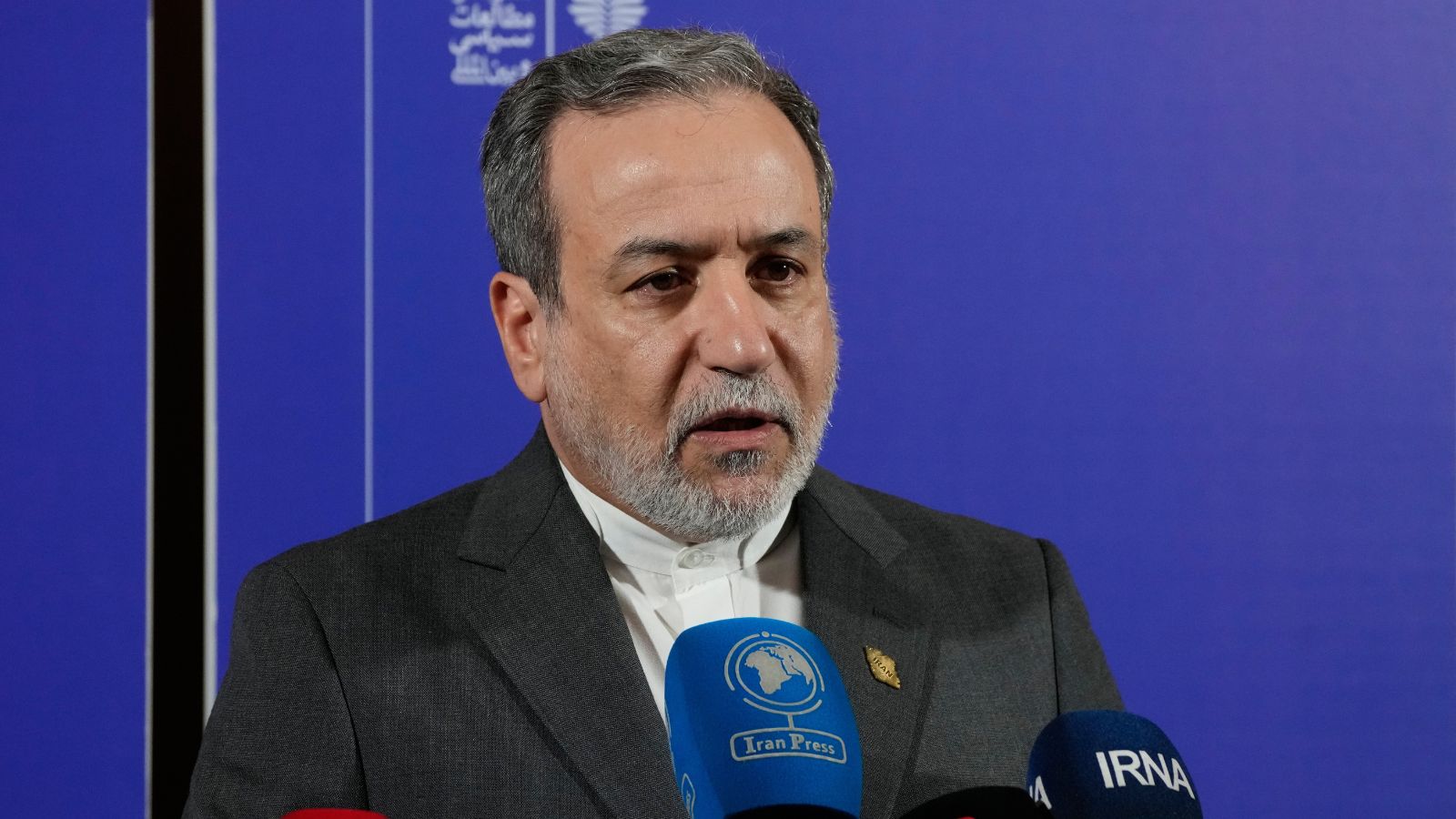
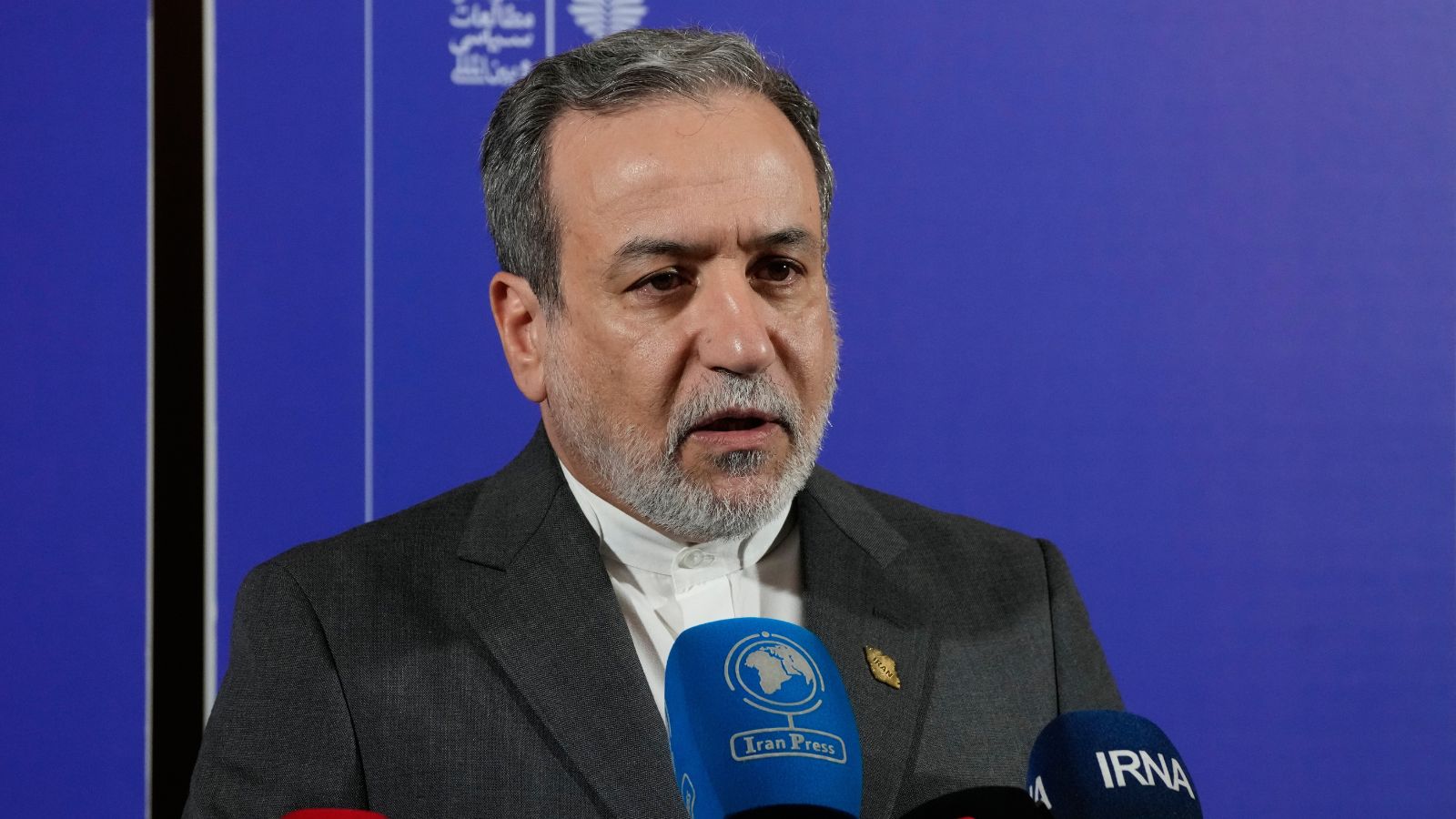
Iran has submitted a new proposal for negotiations with the United States, in a move that could revive stalled diplomacy over the Iran conflict, news agency Reuters reported. The proposal was shared via Pakistan, which has been mediating between the two sides, a Pakistani official confirmed.
The development comes as a fragile ceasefire — in place since April 8 — struggles to translate into meaningful de-escalation, with both military and economic tensions still running high.
Proposal routed via Pakistan
Iranian state media and a Pakistani official said the proposal was delivered late Thursday and forwarded to Washington, though no details have been disclosed, Reuters reported. The move is being seen as a potential diplomatic opening after weeks of deadlock.
Hormuz crisis keeps markets on edge
The geopolitical backdrop remains volatile. The closure of the Strait of Hormuz — through which roughly 20% of global oil and gas flows — has severely disrupted energy markets, pushing prices above $100 a barrel.
Oil prices eased slightly after news of the proposal, but markets remain jittery amid uncertainty over whether the crisis will escalate further, Reuters said.
Developing
Iran–US conflict Hormuz stays closed — oil hits $126
⚔️ Ceasefire: Apr 8 🛢 Brent: ~$114/bbl 🚢 20% world oil blocked 📅 War Powers deadline: May 1
Brent Crude Peak $126 per barrel — on briefing news
Brent Crude Now ~$114 per barrel — slipped back
World Supply Blocked 20% oil & gas choked off
Ceasefire Since Apr 8 But strait still blocked
US USA Pres. Donald Trump
IR IRAN Sup. Leader Khamenei
IL ISRAEL Allied with US
PK PAKISTAN Mediator
Current Situation — Strait of Hormuz Crisis
Conflict Timeline
Stalemate: A ceasefire is in place since April 8 but Iran continues blocking the Strait of Hormuz in response to a US naval blockade of Iran’s oil exports. The strait — through which 20% of global oil and gas flows — has been closed for ~two months. Brent crude hit $126/bbl on reports of a Trump military briefing before slipping to ~$114.
Brent Crude — price context ($USD/bbl)
Pre-conflict baseline ~$75/bbl. Bars are proportional to $130 max.
Key Quotes — What Leaders Are Saying
Any new US attack on Iran, even if limited, would usher in long and painful strikes on US regional positions.
IRGC Senior OfficialIran’s Revolutionary Guards
Foreigners who come from thousands of kilometres away have no place there except at the bottom of its waters.
Ayatollah Mojtaba KhameneiSupreme Leader, Iran — on Strait of Hormuz
Iran will not be allowed to have a nuclear weapon. The price of gasoline will drop like a rock as soon as the war ends.
Donald TrumpUS President
The longer this vital artery is choked, the harder it will be to reverse the damage.
António GuterresUN Secretary-General
Expecting to reach a result in a short time, regardless of who the mediator is, is not very realistic.
Esmaeil BaghaeiIran Foreign Ministry Spokesman
We’ve seen what happened to your regional bases — we will see the same thing happen to your warships.
Majid MousaviIRGC Aerospace Force Commander
What’s at Stake — Global Impact
The Strait of Hormuz is the world’s most critical oil chokepoint. Its two-month closure has sent Brent crude from ~$75 to $114/bbl — a 52% surge.
The UN warns if the disruption drags past mid-year, global growth will fall, inflation will rise and tens of millions more people will be pushed into poverty.
Trump has repeatedly stressed that fuel prices will fall “like a rock” once the war ends — signalling domestic political urgency ahead of November midterm elections.
The conflict has worsened Iran’s dire economic situation. The US blockade has cut off oil export revenues — Iran’s economic lifeline — but analysts say Tehran can hold out for now.
Iran says halting Israeli attacks on Lebanon — where a fragile ceasefire is in place — is part of the Iran-US ceasefire understanding and must remain a condition of any deal.
The UAE has banned its citizens from travelling to Iran, Lebanon and Iraq and urged those currently there to leave immediately, citing escalating regional developments.
What Next — Options & Scenarios
Four scenarios on the table — Trump was briefed Thursday on military and diplomatic options to end the Hormuz impasse.
A series of targeted strikes to compel Iran to negotiate. Iran has warned even a limited attack would trigger “long and painful” retaliation on US regional bases and warships.
Axios reports a plan involving US ground forces taking over part of the Hormuz strait to reopen it to commercial shipping — a major escalation with unpredictable consequences.
US State Dept has invited allies to join the ‘Maritime Freedom Construct’. UK, France and others are willing to help — but only after the conflict formally ends.
Trump is also weighing a unilateral US declaration of victory or extending the naval blockade of Iran’s oil exports to force economic surrender. Pakistan continues mediation.
Air defence alert in Tehran: Air defence activity was heard in areas of Tehran Thursday evening, Iran’s semi-official Mehr news agency reported, with drones and unmanned surveillance vehicles being engaged — adding to uncertainty around the ceasefire.
Sources: Reuters · Axios · IRNA · Mehr News Agency | Updated: 1 May 2025
US stance, war powers debate
Even as tensions persist, the Trump administration has argued that hostilities have effectively ended due to the ceasefire, a position that could allow it to bypass congressional approval under the War Powers Resolution, the Associated Press reported.
A senior administration official said that, for the purposes of the law, “the hostilities that began on Saturday, Feb. 28 have terminated,” noting there has been no direct exchange of fire since early April, AP reported.
Military threats continue despite ceasefire
On the ground, however, both sides appear to be preparing for escalation. Iran has activated air defences and is bracing for a possible “short, intensive” U.S. strike, potentially followed by Israeli action, according to Reuters.
Story continues below this ad
A senior Iranian Revolutionary Guards official warned that any new US attack would trigger “long and painful strikes” on American regional positions. Aerospace Force Commander Majid Mousavi said, “We’ve seen what happened to your regional bases; we will see the same thing happen to your warships.”
Gulf concerns, maritime coalition in focus
The crisis has raised alarm among Gulf states. UAE presidential adviser Anwar Gargash said freedom of navigation in the Strait must be ensured by international law, adding, “No unilateral Iranian arrangements can be trusted or relied upon following its treacherous aggression against all its neighbours.”
Meanwhile, the US has floated plans for a maritime coalition — the “Maritime Freedom Construct” — to secure shipping lanes, though European allies have indicated participation would depend on an end to active hostilities, Reuters reported.
Uncertain road ahead
Despite economic strain from U.S. naval blockades and export restrictions, Iran appears capable of sustaining a prolonged standoff. Washington is weighing options, including extending the blockade, launching limited strikes, or declaring a unilateral victory, Reuters reported.
Story continues below this ad
With thousands killed — mainly in Iran and Lebanon — and global markets still reacting sharply to every development, Iran’s latest proposal offers a possible diplomatic off-ramp. But with both sides maintaining hardline positions, a breakthrough remains far from certain.
(With inputs from Reuters, AP)
Stay updated with the latest – Click here to follow us on Instagram
© IE Online Media Services Pvt Ltd
