

Iran-US War Live Updates: Iran sends formal response to US proposal to end war via Pakistan mediators

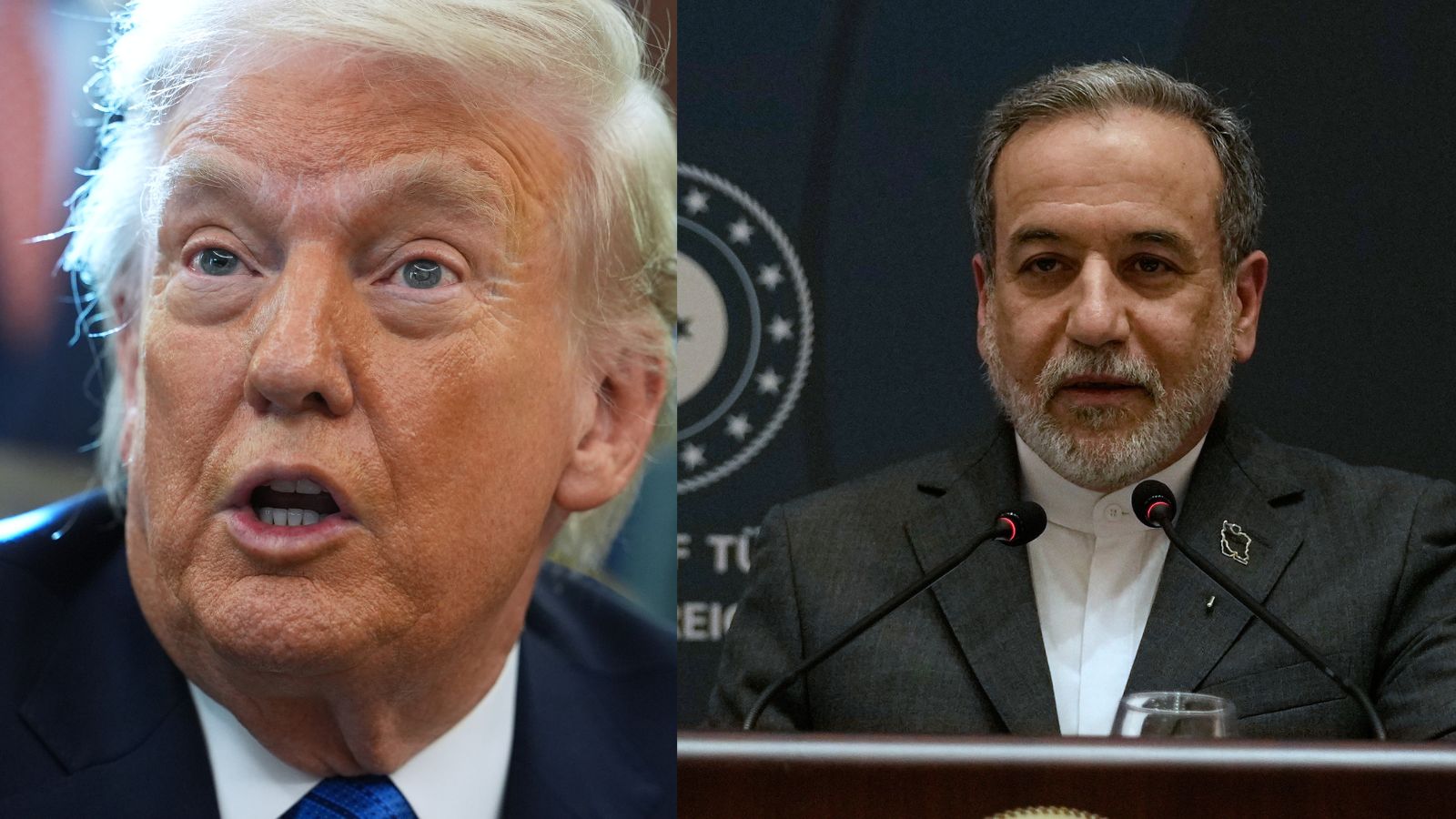

Iran-US-Israel War News Live Updates: Iran has formally conveyed its response to the latest US proposal aimed at ending the ongoing conflict, with the communication delivered through Pakistan, which is acting as a mediator in the negotiations, IRNA News Agency has reported citing a source familiar to the matter.
Qatari Prime Minister Mohammed bin Abdulrahman Al Thani warned Iran against using the Strait of Hormuz as a “pressure tool”, saying such a move would only worsen the crisis in the Gulf region. Al Thani reportedly stressed that all parties involved in the conflict should respond positively to ongoing mediation efforts aimed at ending the war and reducing regional tensions.
Story continues below this ad
Donald Trump heads to China amid Iran war fallout, tariff tensions and shifting US-China dynamics, with Xi Jinping expected to balance ceremony with strategic caution. Analysts say the ongoing Iran conflict and unresolved trade tensions could make the atmosphere markedly cooler than Trump’s lavish 2017 state visit.
Iran’s parliament’s Foreign Policy and National Security Committee spokesperson, Ebrahim Rezaei, Sunday asserted that Tehran’s “restraint is over”. “Any aggression against our vessels will be met with a heavy and decisive Iranian response against American vessels and bases,” Rezaei wrote on X.
Bangladesh faces fuel shortages, rising inflation and pressure on garment exports as disruptions linked to the Iran war ripple across the economy. Country’s garment sector: the backbone of its export economy, is also facing mounting pressure from higher fuel and production costs.
Gas carrier, Al-Kharaitiyat, operated by a Qatar-based company, Sunday crossed the Strait of Hormuz, according to navigational data from Marine Traffic — the first such crossing since the start of the war on February 28, Al Jazeera reported. It has departed from the Qatari port of Ras Laffan and is scheduled to unload its cargo at Port Qasim in Pakistan, the report stated. It appeared yesterday at the Hormuz, and then hid its signal for about 14 hours.
Meanwhile, despite a fragile Iran-US ceasefire holding amid sporadic Strait of Hormuz clashes, violence continued as Israeli bombardment of Lebanon killed at least 24 people. The IRGC warned that any attack on Iranian oil tankers or commercial ships would trigger strikes on US bases and “enemy ships” in the region, while Washington said it was optimistic Tehran would respond to its latest proposal to end the war. CENTCOM added that since April 13 it has “disabled” four ships and blocked 58 vessels from entering or exiting Iranian ports.
Iran-US war ceasefire: Here are the latest developments
- Hormuz tragedy: 17 Indian sailors were rescued by a passing vessel after their cargo dhow was engulfed in flames; the cause of the fire remains under investigation amid heightened military activity in the area.
- Diplomatic deadlock: US Secretary of State Marco Rubio says Washington expects a response from Tehran today regarding a 14-point peace framework. However, Iranian Foreign Minister Abbas Araghchi has already dismissed recent UN proposals as “flawed” and “politically motivated.”
- Sanctions hit home: New US penalties target firms like Yushita Shanghai and Elite Energy FZCO, aiming to disrupt the procurement of drone motors and missile insulation materials.
- Regional spillover: While the focus remains on the Persian Gulf, Israeli strikes in Lebanon have intensified, raising fears that the “shadow war” is rapidly evolving into a multi-front regional conflagration.
The Strait of Hormuz, through which a fifth of the world’s oil and LNG passes, remains the epicentre of this volatility. With energy prices surging and diplomatic channels fraying, the international community is watching for Tehran’s next move.
Follow The Indian Express Global Desk live coverage for the latest updates from the Middle East, the diplomatic corridors of Europe, and the evolving legal battles in Washington.
Live Updates
