


Iran vs US-Israel War LIVE News Updates: Israel hits fresh targets in Iran, explosions heard in Tehran and Isfahan

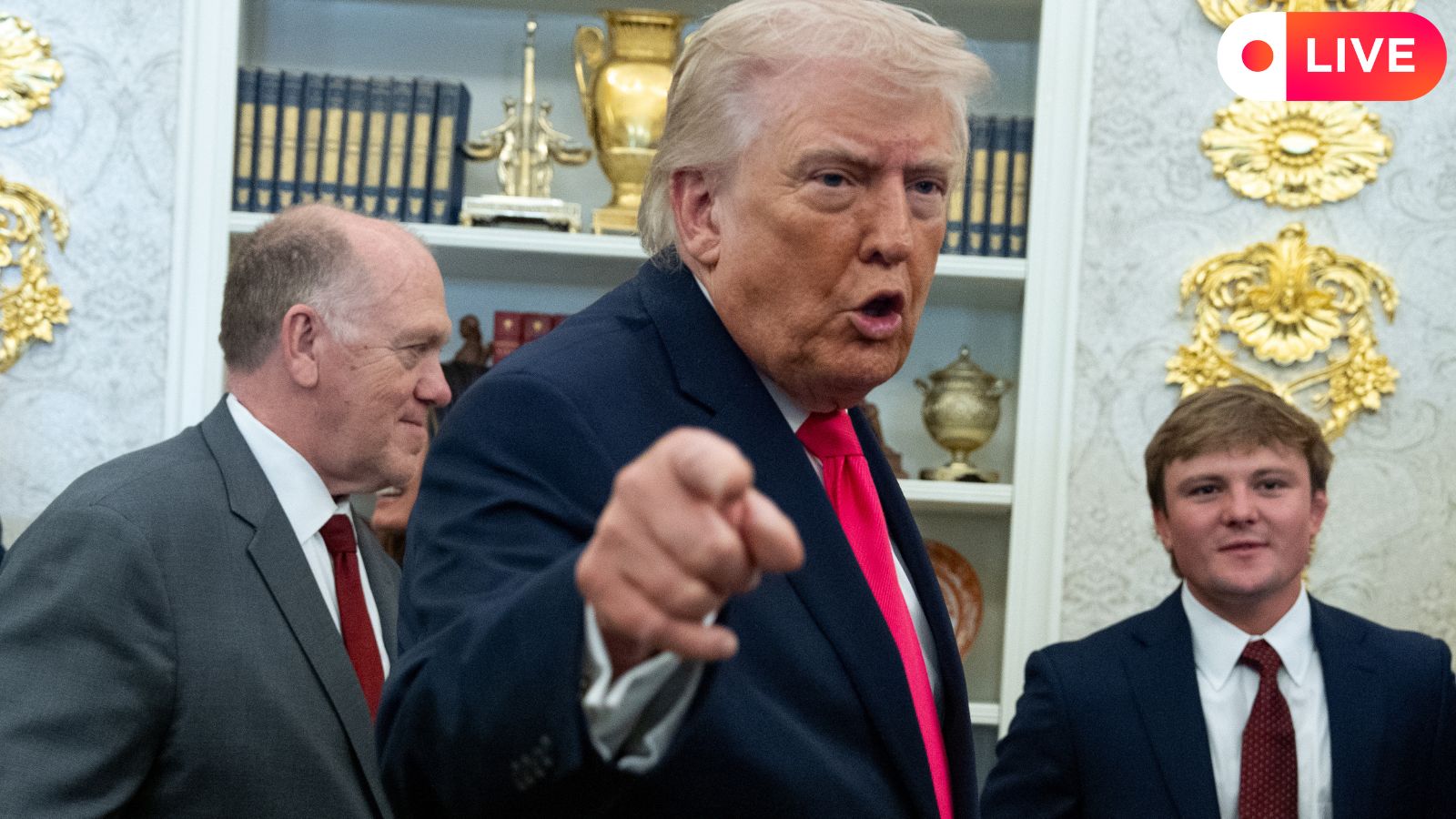
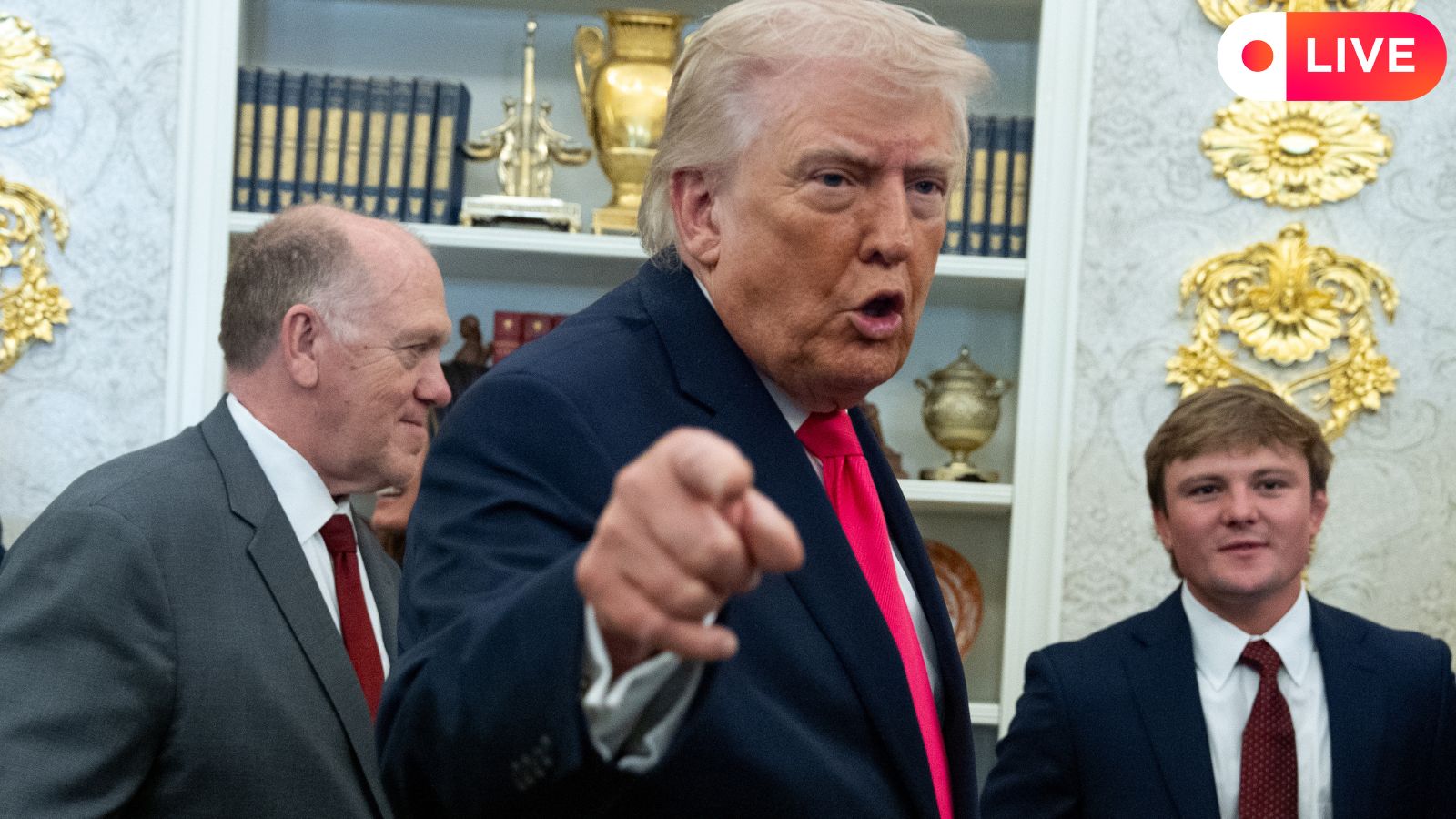
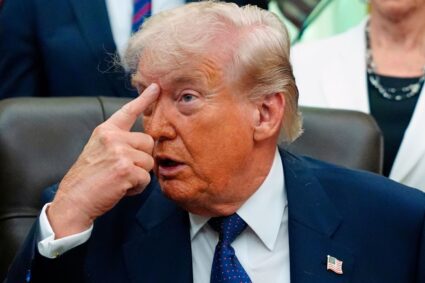
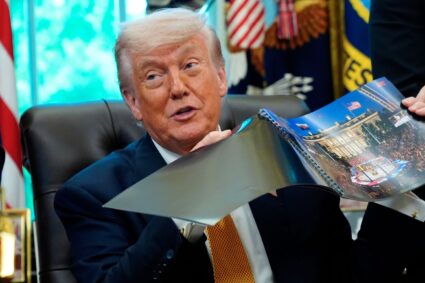
Iran-US-Israel War LIVE News Updates: As the war involving the United States, Iran and Israel intensifies, signals from Washington suggest a potential shift in war objectives even as tensions on the ground continue to escalate across multiple fronts. US President Donald Trump said on Tuesday that Iran doesn’t have to agree to a deal for the US attacks to end and that the US military will pull out of the Middle East in two-three weeks. However, he asserted that the US might destroy key Iranian infrastructure before exiting the region.
US Secretary of State Marco Rubio, on the other hand, has said Washington is in contact with Tehran and suggested that a resolution to the conflict is close.
Story continues below this ad
Conflict Background
Iran–US-Israel War Erupts: February 28, 2026
A major military conflict erupted in West Asia on February 28, 2026, as Iran launched sustained drone and ballistic missile strikes across Gulf Cooperation Council (GCC) states. The conflict pits Iran against a US-Israel coalition, with strikes targeting energy infrastructure, military installations, desalination plants, and industrial facilities across the region.
Feb 28
War start date, 2026
5+
GCC nations under attack
10
Confirmed energy sites struck
Energy Infrastructure — Struck in Opening Phase
🔥
South Pars Gas Field — Iran
World’s largest natural gas field, shared with Qatar. Struck by Israeli air strikes.
🔥
Ras Laffan Industrial City — Qatar
World’s largest LNG processing facility. Iranian missiles caused fires and significant damage, halting Qatar LNG production.
🔥
Mina Al-Ahmadi & Mina Abdullah Refineries — Kuwait
Two major Kuwaiti oil refineries struck by drone attacks, causing fires.
🔥
Habshan Gas Facility & Bab Oilfield — UAE
Key UAE energy infrastructure targeted in combined drone and missile attacks.
🔥
Samref Refinery, Yanbu — Saudi Arabia
Drone attack on refinery facility in Yanbu, Saudi Arabia’s Red Sea port city.
Source: Al Jazeera
2,381
UAE total projectiles intercepted since Feb 28
580
Bahrain: 398 UAVs + 182 ballistic missiles
633
Kuwait: 629 UAVs + 4 missiles intercepted
Escalation Timeline
Mar 26, 2026
IRGC Navy Commander Tangsiri eliminated. Israel’s Defence Minister announced the IDF killed IRGC Navy Commander Alireza Tangsiri along with senior naval command officials in a “precise and lethal operation.”
Mar 29, 2026 — Sunday
UAE air defences engage 16 ballistic missiles + 42 UAVs from Iran. Saudi Arabia intercepts missiles targeting Eastern Province. Houthis target Israel with missiles — Bab el-Mandeb threatened.
Mar 30, 2026 — Morning
Indian worker killed in Iran attack on Kuwait desalination plant. Kuwait’s Ministry of Electricity confirmed attack damaged a service building. Indian Embassy coordinating with Kuwaiti authorities.
Mar 30, 2026 — Afternoon
Iranian drones strike Emirates Global Aluminum Al Taweelah plant — “significant damage.” Aluminium Bahrain (world’s largest single-site smelter) also struck — damage being assessed. (Reuters)
Mar 30, 2026 — Evening
UAE intercepts 27 UAVs + 11 ballistic missiles. Kuwait Army intercepts 13 UAVs on Monday. Bahrain condemns attacks; urges UNSC action.
Mar 30, 2026 — Night
Iran confirms IRGC Navy Commander Tangsiri dead. He sustained severe injuries before dying, confirmed by Iranian media citing Reuters. Israel had claimed the kill on March 26.
The Bottleneck
Iran Effectively Closes the Strait of Hormuz
The Strait of Hormuz, through which approximately one-fifth of global oil supply passes, has been effectively closed by Iran since February 28, 2026. The waterway also handles large volumes of LNG tanker traffic — its closure is the primary driver of the record global energy price surge.
~1/5
Global oil supply transits Strait of Hormuz
4.66M
Saudi bpd rerouted via Bab el-Mandeb (Kpler)
+59%
Brent crude monthly surge — all-time record
Trump’s Position — WSJ Report
US May End Campaign Without Full Strait Reopening
The Wall Street Journal reported Trump told aides he is willing to end the military campaign against Iran even if the Strait of Hormuz remains largely closed, leaving reopening for a later date. Trump separately warned the US would “obliterate” Iran’s energy plants if Tehran did not reopen the waterway. On Mar 30, Trump claimed Iran allowed approximately 20 oil tankers through as a goodwill gesture.
Saudi Arabia Reroutes Via Bab el-Mandeb
Alternative Route Now Under Houthi Threat
Saudi Arabia rerouted crude exports to its Red Sea port of Yanbu — volumes reaching 4.658 million bpd, sharply up from an average of 770,000 bpd in January–February. However, Yemen’s Iran-aligned Houthi forces targeted Israel with missiles on Saturday, raising fresh concerns about this alternative chokepoint. Qatar’s LNG halt has pushed Australia to become the world’s second-largest LNG supplier.
“Even in the event of de-escalation, restoring damaged infrastructure will take time, keeping supply tight.”
— Sugandha Sachdeva, Founder, SS WealthStreet, New Delhi
“Crude is likely to continue being whiplashed and directionless.”
— Vandana Hari, Founder, Vanda Insights
Country-wise Response
🇦🇪
UAE — Condemned at Arab League
Called attacks “illegal and unjustified.” Invoked UNSC Resolution 2817. Described Kuwait attack as “terrorist act” and violation of international law.
🇶🇦
Qatar — Condemned Iran Attacks on Kuwait
Called strikes “unjustified” and a violation of sovereignty. Qatar’s own Ras Laffan LNG facility has been severely damaged.
🇧🇭
Bahrain — Urged UNSC Action
Condemned attacks as threat to regional security. Urged the UN Security Council to take action. Reaffirmed solidarity with Kuwait.
🇦🇺
Australia — Troops Deployed, Fuel Tax Halved
Deployed 85 ADF troops + E-7A Wedgetail to UAE. PM Albanese called for de-escalation and halved Australia’s fuel excise tax for 3 months citing war-driven price pressure.
🇸🇦
Saudi Arabia — Rerouting Crude
Redirected crude exports through Bab el-Mandeb to Yanbu port. Intercepting ballistic missiles daily — 8 on Mar 31 alone (5 targeting Riyadh).
✈️
Aviation — Disruptions Mounting
Air Canada suspended all Dubai flights until September 7. Air India and IndiGo continue operating 36 combined flights to/from West Asia on March 31.
“Our operations are aimed at enemy aggressors. High time to eject US forces.”
— Abbas Araghchi, Iranian Foreign Minister, Mar 31, 2026
“I want to see more certainty in what the objectives of the war are, and I want to see a de-escalation.”
— Anthony Albanese, Australian Prime Minister, Mar 30, 2026
8
Saudi ballistic missiles intercepted on Mar 31
24
Al-Salmi tanker crew — all confirmed safe
4
Injured in Dubai Al Badaa from missile debris
Mar 31, 2026 — Live Events
05:03 AM IST
Iranian drone strikes Al-Salmi oil tanker in Dubai waters, 57km NW of Dubai. Vessel registered to Kuwait Petroleum Corp — capacity 2 million barrels. Fire erupts on board. (Indian Express Reports)
05:20 AM IST
Saudi Arabia intercepts 4 ballistic missiles targeting Riyadh.
05:31 AM IST
Kuwait army confirms air defences confronting hostile missile and drone attacks. Loud explosions heard across Kuwait — result of interception operations.
05:55 AM IST
Saudi Arabia intercepts 4 more ballistic missiles — 3 targeting Riyadh, 1 towards Eastern Province. Mar 31 total reaches 8 missiles intercepted.
10:51 AM IST
Al Jazeera: 8 Saudi ballistic missiles intercepted. 4 injured in Dubai’s Al Badaa area from debris of interceptions. Qatar, Kuwait, and Bahrain confirm overnight attacks.
11:32 AM IST — LATEST
Al-Salmi tanker fire fully contained. Dubai authorities confirm no oil leakage, no injuries. All 24 crew safe. Iran FM Araghchi urges Saudi Arabia to “eject US forces.”
Sources: Al Jazeera · Reuters · UAE Ministry of Defence · Dubai Media Office · Kuwait Ministry of Electricity · Khaleej Times · Gulf News · Indian Express Reports · Wall Street Journal · Data as of March 31, 2026, 11:32 AM IST
Tehran’s threat: Tehran has, meanwhile, issued a sharp warning, saying any strike on its territory or infrastructure would trigger multiple retaliatory attacks. The situation has been further inflamed by a statement from Iran’s Islamic Revolutionary Guards Corps, which said it would begin targeting US-linked companies operating in the region from April 1.
The list includes major global firms such as Google, Microsoft, Apple, Intel, IBM, Tesla and Boeing, with the group threatening action against their regional operations.
Meanwhile, China and Pakistan have come up with a five-point initiative for “restoring peace and stability in the Gulf and Middle East Region”.
US’ shift in objectives: Trump has indicated he may be open to ending the conflict even if the Strait of Hormuz remains closed, after advisers assessed that a full-scale effort to reopen the crucial shipping corridor could extend the war well beyond the initially anticipated four-to-six-week timeframe. Trump has simultaneously escalated his rhetoric, warning that Washington could target Iran’s oil and energy infrastructure, including major export hubs, if the strait is not reopened. He also urged allies facing fuel shortages to secure their own supplies, signalling a possible pullback from direct US intervention in safeguarding shipping lanes.
Israel on the war: On the battlefield, Israeli Prime Minister Benjamin Netanyahu said the campaign has moved “beyond the halfway point” in achieving its objectives, citing damage inflicted on Iran’s military, industrial and nuclear capabilities, though he did not specify a timeline for the conflict’s end. Strikes have continued, including reported explosions in Iran’s central city of Isfahan, home to a key nuclear facility.
The human and regional toll continues to mount. More than 3,000 people have reportedly been killed across the Middle East, including over 1,900 in Iran, at least 1,200 in Lebanon and 19 in Israel. Thirteen US service members have also been killed, with two additional non-combat deaths reported.
Live Updates