

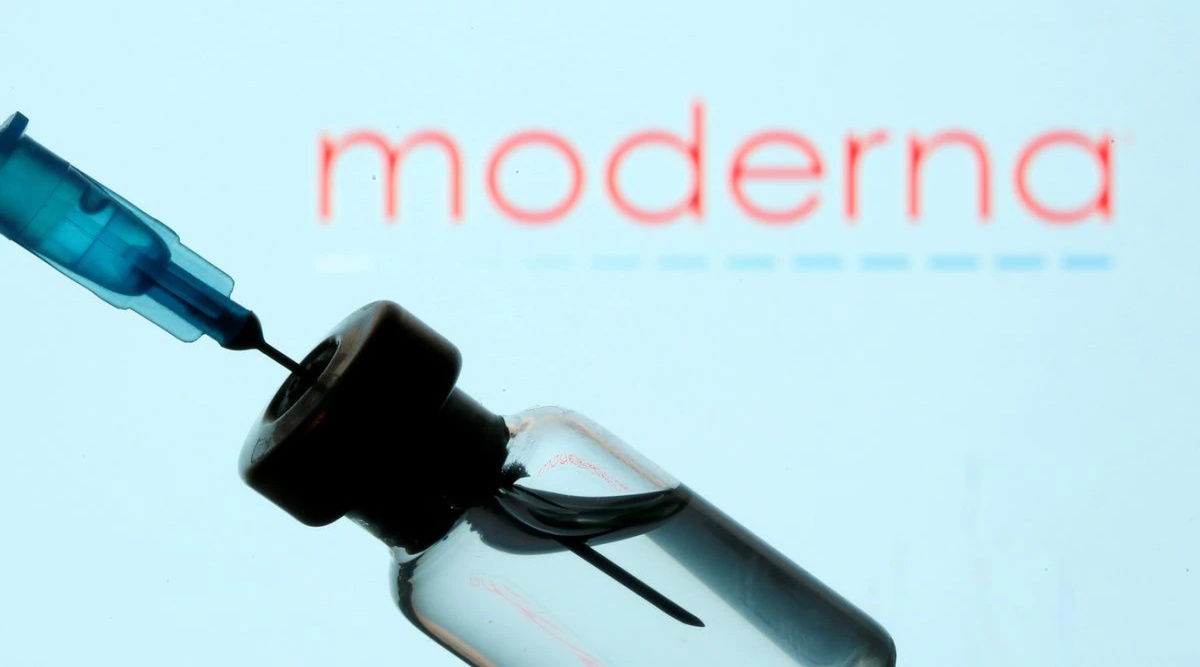
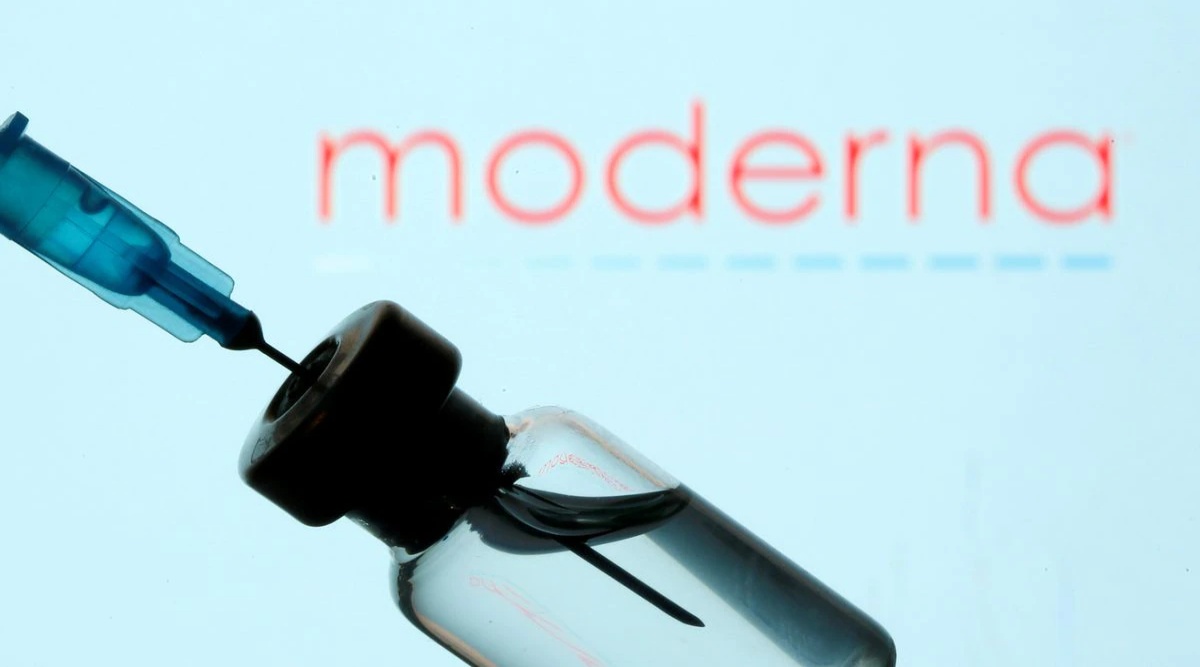
Moderna shares soar 150% after personalised cancer vaccine breakthrough

4 min readNew DelhiUpdated: Aug 19, 2026 10:54 PM IST
A personalised vaccine has allowed high-risk people to live cancer-free in a large, late-stage trial, in a boost for patients and pharmaceutical manufacturers Moderna and Merck.
The announcement on Wednesday brought the tantalising idea of using a person’s immune system to fight cancer closer to reality and propelled the stock price of Moderna by nearly 150 per cent.
“It’s a big deal,” Dr Elias Sayour, a pediatric oncologist at the University of Florida, told the New York Times. Sayour, who wasn’t involved in the trial, said the results “could help usher in a whole new wave of therapeutic treatments for cancer.”
The experimental personalised cancer vaccine is currently being studied in melanoma, which is responsible for about 1 per cent of skin cancers, but is responsible for a majority of deaths among them.
What is melanoma?
Melanoma is a type of skin cancer that develops from melanocytes, the cells responsible for producing the pigment melanin. Although melanoma accounts for a relatively small proportion of skin cancer cases, it causes a disproportionate share of skin-cancer deaths because it can spread to other parts of the body.
What is Moderna’s personalised cancer vaccine?
The companies have so far announced only the broad contours of the results. The details will likely be released at an international medical meeting and to regulators.
The late-stage trial included 1,137 participants with high-risk melanoma. These people had their cancer surgically removed and received the personalised cancer vaccine, intismeran. This was paired with an immunotherapy drug called Keytruda. Those who received this combination were less likely to see their cancer recur or spread compared with those who received just Keytruda, the study found.
Story continues below this ad
How does the mRNA melanoma vaccine work?
The experimental therapy, which is now a step closer to regulatory approval for becoming a treatment option, deployed mRNA technology that made the Covid jab a success.
That is because mRNA technology can be used by scientists to design “bespoke, individualised vaccines” that are targeted and not one-size-fits-all.
Unlike conventional vaccines designed to protect people against infections, personalised cancer vaccines are designed for an individual patient’s tumour. Scientists analyse mutations in the tumour to identify neoantigens — abnormal markers that can distinguish cancer cells from healthy cells. The mRNA vaccine then instructs the immune system to recognise these targets and mount a response against cancer cells.
What did Moderna’s Phase 3 melanoma trial find?
The combination regimen of personalised cancer vaccine intismeran and immunotherapy drug Keytruda was successful in significantly extending the time that patients registered without their melanoma returning, compared with Keytruda alone.
Story continues below this ad
When could Moderna’s cancer vaccine become available?
During an interview, Moderna President Stephen Hoge said thousands of patients who have undergone high-risk melanoma surgery could benefit as early as 2027. Shares of Moderna soared to 150 per cent to multi-year highs, while shares of Merck also climbed more than 11 per cent in morning trading. The difference in the percentage jump in share prices is also due to the wide difference in their price. Merck’s market cap was around $333 billion, while Moderna’s sat near $25 billion ahead of the announcement.
“It’s a big moment for medicine, a big moment for patients,” Moderna CEO Stéphane Bancel told CNBC.
These results build on the Phase 2 trial data held earlier this year, which were also positive. The Phase 3 trial will continue to assess other details, including the survival benefit of the regimen.=
What we don’t know yet
The companies have announced the topline Phase 3 results but have not yet released the full dataset. Exact recurrence rates, duration of benefit and overall-survival results have not yet been disclosed. Detailed results are expected to be presented at a medical meeting and submitted to regulators.
Vaccine: Intismeran autogene
Technology: Personalised mRNA
Cancer: High-risk melanoma
Trial: Phase 3
Participants: 1,137
Partner: Merck
Combination: Keytruda
Result: Reduced melanoma recurrence and delayed spread
Status: Experimental; not yet an approved treatment
Moderna shares: Rose as much as about 150% after the announcement
Stay updated with the latest – Click here to follow us on Instagram
