
Nepal floods: Death toll crosses 1,000 as rescue teams search for thousands | 10 updates

2 min readSep 1, 2026 02:53 PM IST
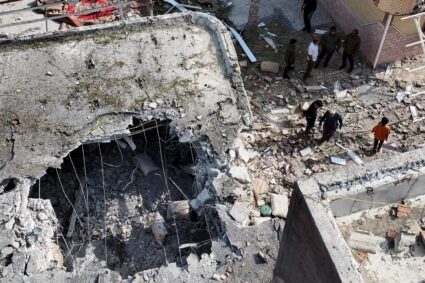
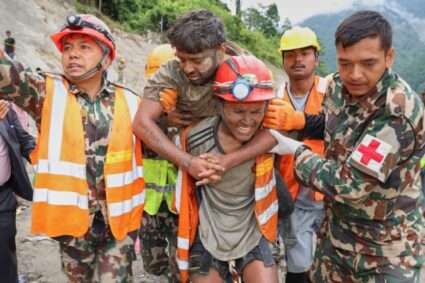
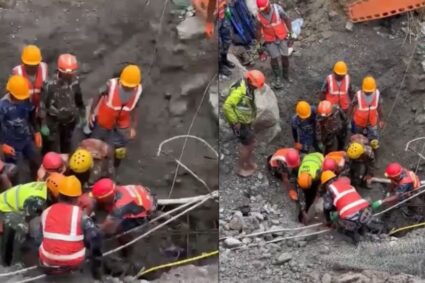
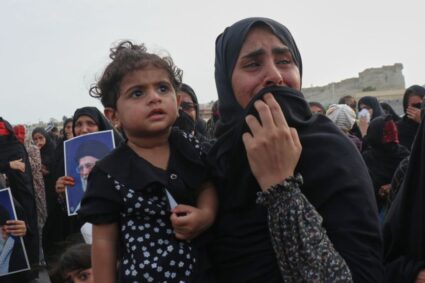
More than a week after devastating floods swept through Nepal, the disaster is far from over. Nepal’s death toll has climbed to 1,000, with 4,000 people still missing, as rescue teams continue searching for survivors and workers believed to be trapped inside hydropower tunnels.
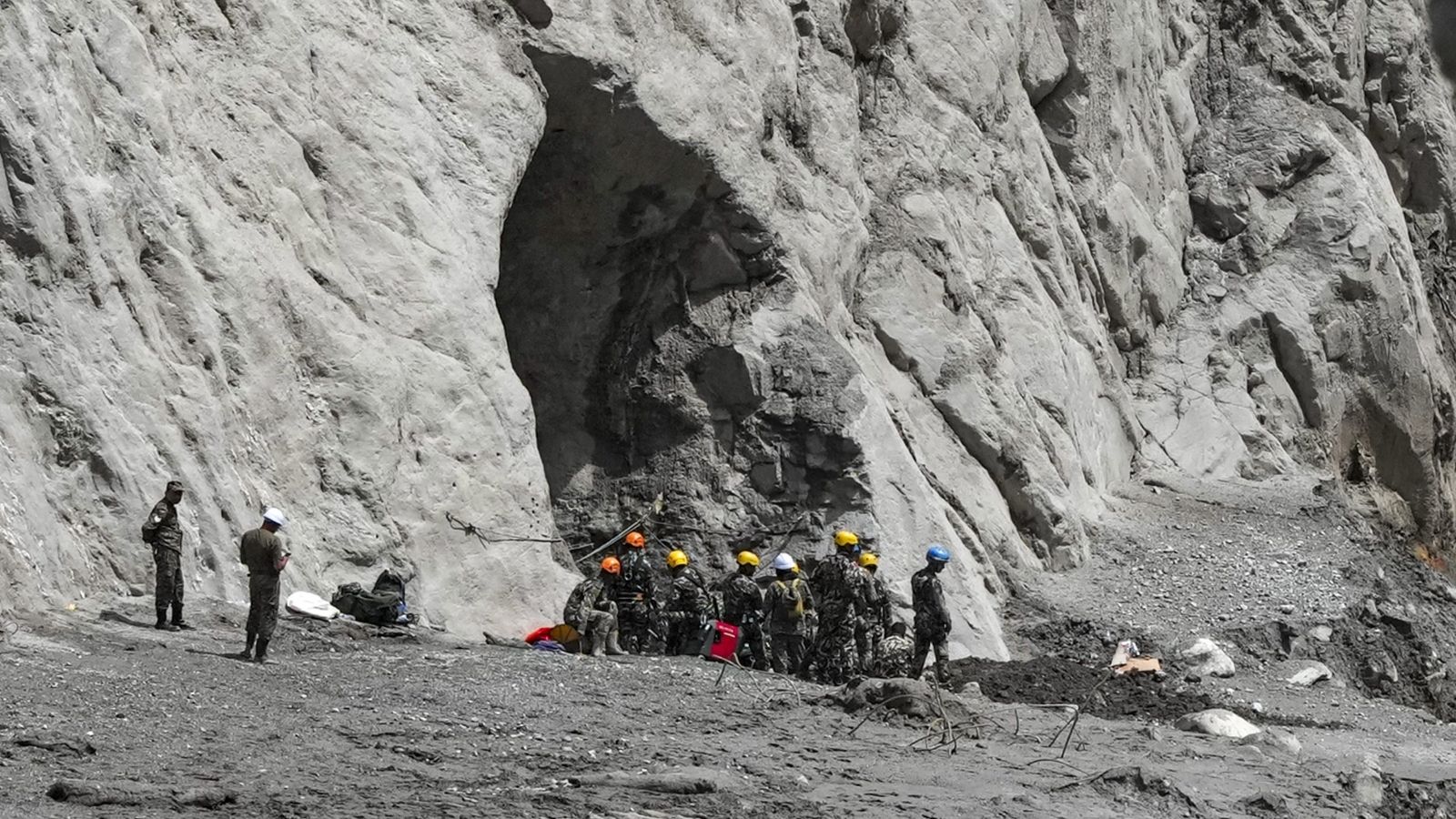
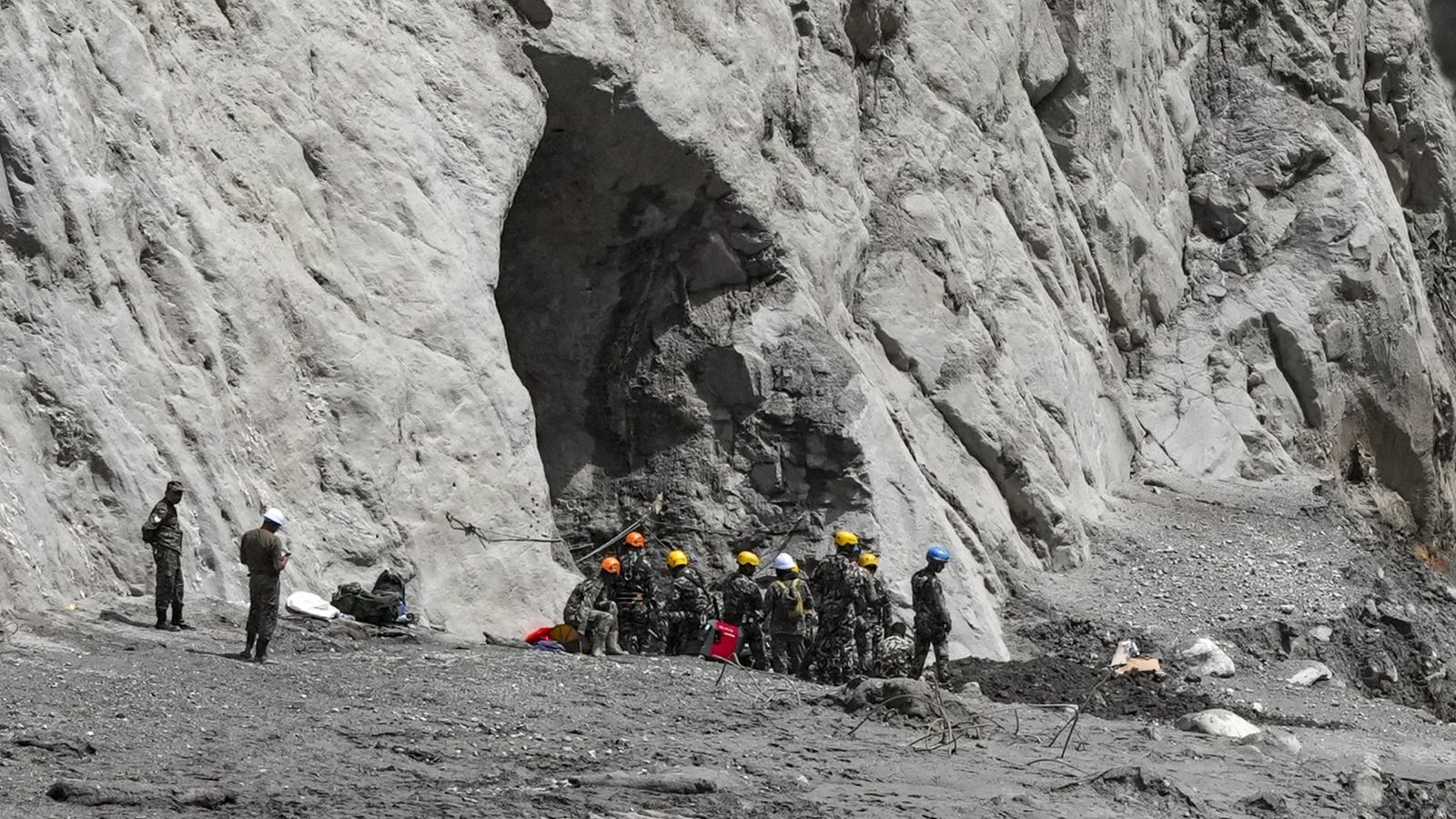
More than 11,800 people have been rescued, while the search has expanded with foreign assistance, including specialised Indian tunnel-rescue teams. India says its teams have established a foothold at the Chilime site and probed 185 metres into a tunnel at Langtang.
Nepal also remains vulnerable to further flooding. Forecasters in China have warned of renewed rain in Gyirong that could push up water levels in a nearby barrier lake, while officials have raised concerns over possible glacier collapses. The coming days, therefore, remain critical even as communities cling to hope.
The humanitarian needs are mounting. The United Nations estimates that around 65,000 people urgently require water, sanitation and hygiene support, while families of those still missing struggle to find information. Prime Minister Shah said power has been restored to around 30% of households in hard-hit Rasuwa district, while six 48-metre Bailey bridges and a 70-metre bridge are being deployed to reconnect communities cut off after roads and bridges were destroyed.
Rescue operations are also underway for more than 900 workers missing from 12 hydropower projects, with around 500 feared trapped inside flooded tunnels. Helicopters and other aircraft are being deployed to reach stranded communities and deliver urgently needed assistance.
Meanwhile, Nepal has issued a fresh flood alert as water levels rise across several districts, raising fears of further flooding in areas already devastated by the disaster.
In response, the government has deployed around 50 psychiatrists, psychologists and psychosocial counsellors across the worst-hit Rasuwa and Nuwakot districts, The Kathmandu Post reported Tuesday, citing officials. Another 64 trained counsellors are on standby in Bagmati Province as authorities prepare for a potentially prolonged need for mental health support.
Mental health professionals involved in the disaster response have begun providing Psychological First Aid (PFA), an early intervention aimed at helping people cope with distress following traumatic events.
A dedicated psychosocial support service is also available through 1166, operated from Patan Mental Hospital. Calls from across the country are routed to the hospital and connected with counsellors, with seven counsellors currently working in rotation to provide round-the-clock assistance.
The ministry is also facilitating the 1098 Child Helpline to support children affected by the disaster.
India’s specialised tunnel rescue team made progress at two hydropower sites in flood-hit Nepal, establishing a foothold inside a tunnel at Chilime and probing up to 185 metres at Langtang. India has deployed specialised teams to assist Nepal following the devastating flash floods of August 26, which swept through northern and central parts of the country, killing hundreds, leaving thousands missing and destroying homes, roads and bridges and hydropower projects. Expert teams from India and China are assisting Nepal’s rescue teams in tracing workers and employees who have remained unaccounted for at various hydropower project sites since the disaster, with many believed to be trapped inside tunnels.
South Korea to send a 44-member emergency relief team to Nepal to assist search-and-rescue operations in flood-hit Rasuwa, the country’s Foreign Ministry said Tuesday. The team, comprising ministry officials and firefighters, will travel aboard a military transport aircraft and is expected to remain in Nepal for around 10 days. The deployment comes after Nepal requested international assistance to deal with the disaster in the worst-affected region. South Korea had earlier dispatched a rapid response team to search for nine South Korean nationals missing from a hydropower project following last week’s devastating floods.
Authorities in Nepal have begun burying hundreds of unidentified bodies recovered after devastating floods overwhelmed morgues and left families searching for missing relatives. In Chitwan, nearly 300 bodies were reportedly swept to riverbanks by floodwaters, prompting officials to use temporary burial sites after storage facilities ran out of space, CNN reported. Rescue and recovery operations continue across the worst-hit areas, while authorities collect DNA samples to identify the victims. Families will be allowed to reclaim the remains once the identification process is complete.
A total of 254 labourers and technicians have been rescued from sites linked to the Upper Trishuli-1 hydropower project. Authorities said 927 bodies have been sealed so far, but only 51 have been identified and handed over to families. Another 726 bodies remain unidentified, while 413 have already been buried or otherwise managed according to international procedures.
Temporary shelters have been arranged for 2,970 people displaced by the floods. Authorities are also monitoring river levels, with an alert issued for residents along the Bishnumati River after water near Gongabu crossed the danger mark.
Nepal Prime Minister Balendra Shah has warned that climate change is making the Himalayan region increasingly vulnerable to extreme disasters, after last week’s deadly flooding in northern Nepal and neighbouring China. Describing the flooding in the Bhotekoshi River in Rasuwa as “one of the largest disasters in this region”, Shah said it was triggered by a glacial avalanche involving ice and rock in the Himalayas. Shah said the scale of the disaster showed that risks facing the Himalayan region are rising alongside climate change. He added that Nepal plans to raise the issue with the international community.
Disaster experts say rebuilding must go beyond replacing damaged structures and focus on making essential infrastructure more resilient to future disasters. The risks are especially acute in the Himalayan region, where rising temperatures, melting glaciers, unstable slopes, glacial lakes and erratic rainfall are increasing the threat of floods, landslides and debris flows.
Experts say the disaster should prompt Nepal to reassess the locations of hydropower projects, strengthen environmental and disaster-risk assessments and improve early-warning systems. They also recommend a more decentralised energy mix, including greater use of solar power, to reduce the impact of future disruptions to the country’s power supply.
