

Nepal floods: They stopped hoping he was alive. Then they found a hand


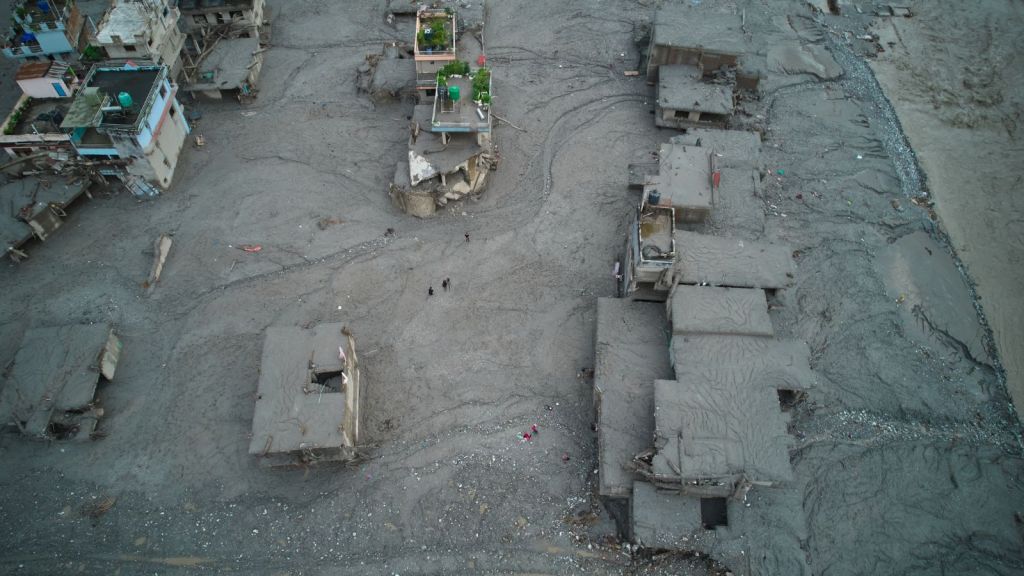 A drone view shows a house damaged by flash floods surrounded by sludge, mud and debris along the swollen Trishuli River in Nuwakot district of Nepal. (Photo: AP)
 When Amrit Diyali saw a human hand washed downstream by floodwaters, his heart sank. It looked strikingly like that of his younger brother Raj Kumar, who has been missing since the August 26 Bhotekoshi flood along with his wife and four-year-old son.
The August 26 Bhotekoshi flood has become one of Nepal’s worst disasters in recent years, with the death toll continuing to rise as search operations enter their second week.
As of 2 September, the death toll stood at 1,114, according to Nepal’s National Disaster Risk Reduction and Management Authority, with nearly 3,916 people still listed as missing. Bodies have been recovered across eight districts, including Chitwan, Nawalparasi East and West, Nuwakot, Gorkha, Dhading, Tanahun and Rasuwa. More than 21,000 security personnel have taken part in search and rescue efforts, and almost 12,000 people have been rescued so far. Authorities have warned the toll may keep rising as search teams reach areas that are still hard to access.
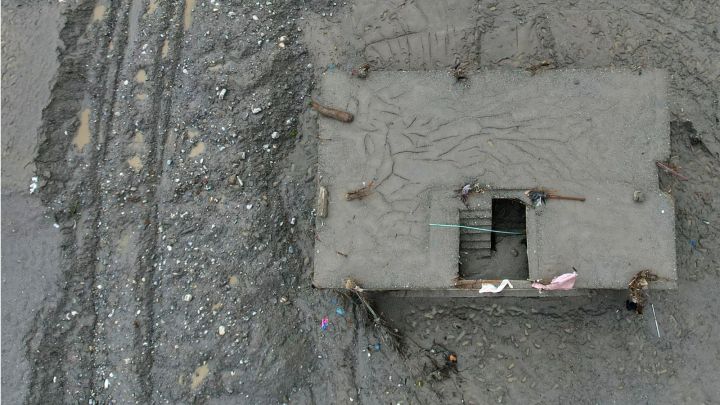
His younger brother Raj Kumar Diyali, 33, has been missing since August 26, along with his wife, Shriti, 30, and their four-year-old son, Siraj.
The family had built a life far from home, running a small jewellery shop in Syaphrubesi for 15 years. Now their relatives are left waiting for a laboratory result to tell them what they already fear.
Story continues below this ad
What happened to the family?
The flood tore through Syaphrubesi, where Raj Kumar, Shriti and Siraj lived. No trace of the family has been found since.
Relatives travelled as far as Chitwan and Nawalpur, first hoping to find them alive and later hoping simply to recover their bodies.
How was the hand found?
Five days after the flood, Raj Kumar’s nephew Avinash found a human hand that had been carried downstream to Nawalpur. He thought it looked like his uncle’s. Amrit described how the news reached him: “Avinash sent me a photo on WhatsApp saying, ‘Dad, I found a hand that looks exactly like uncle’s.’”
Amrit sent a sample from the hand to the National Forensic Science Laboratory in Kathmandu on Tuesday. It is 182nd in line for testing, leaving the family with an uncertain wait ahead. “We have stopped hoping for anything else,” Amrit told The Kathmandu Post. “Even if that hand turns out to be my brother’s, at least we would know for sure.”
Story continues below this ad
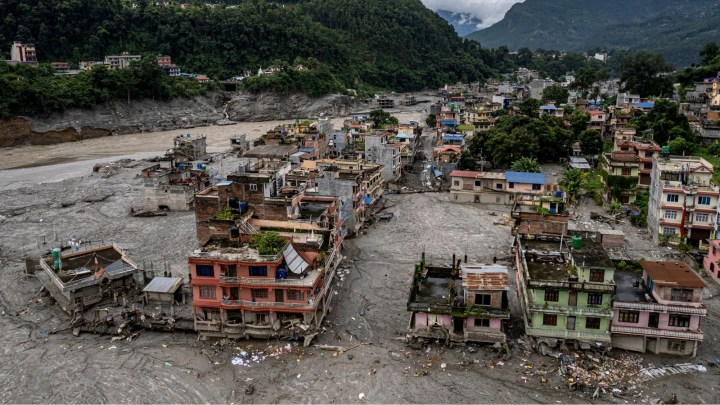
Raj Kumar was the only jeweller in the area, and his business had done well over the years. His parents had lived in Jhapa, where the family home was later rented out after their deaths. The family had settled permanently in Rasuwa, returning to Jhapa only for festivals. His sister, Rama Diyali, said the family still watches for him out of habit: “Even now, we keep looking down the road, wondering when my brother will come home.”
How did one family member survive?
Raj Kumar’s nephew, Sachin Khati, lived with the family and helped run the shop. Minutes before the flood struck, Raj Kumar had sent Sachin to Chilime to deliver jewellery. By the time Sachin finished the delivery and returned, the village was gone.
According to Amrit, the family had travelled to Kapan in Kathmandu shortly before the flood to pay an advance on a plot of land, but the landowner failed to turn up. They returned to Rasuwa on August 24.
Story continues below this ad
Amrit remembers the family’s final evening together. Young Siraj asked to be washed after dinner and asked his aunt for two roosters to cook. Raj Kumar had planned to return home around August 30 or 31 after finishing jewellery deliveries for customers travelling to Gosainkunda. Then, on August 26, the flood struck.
