






Russia downs 660 Ukrainian drones in one night, says Moscow; chemical plant hit in one of war’s biggest aerial assaults

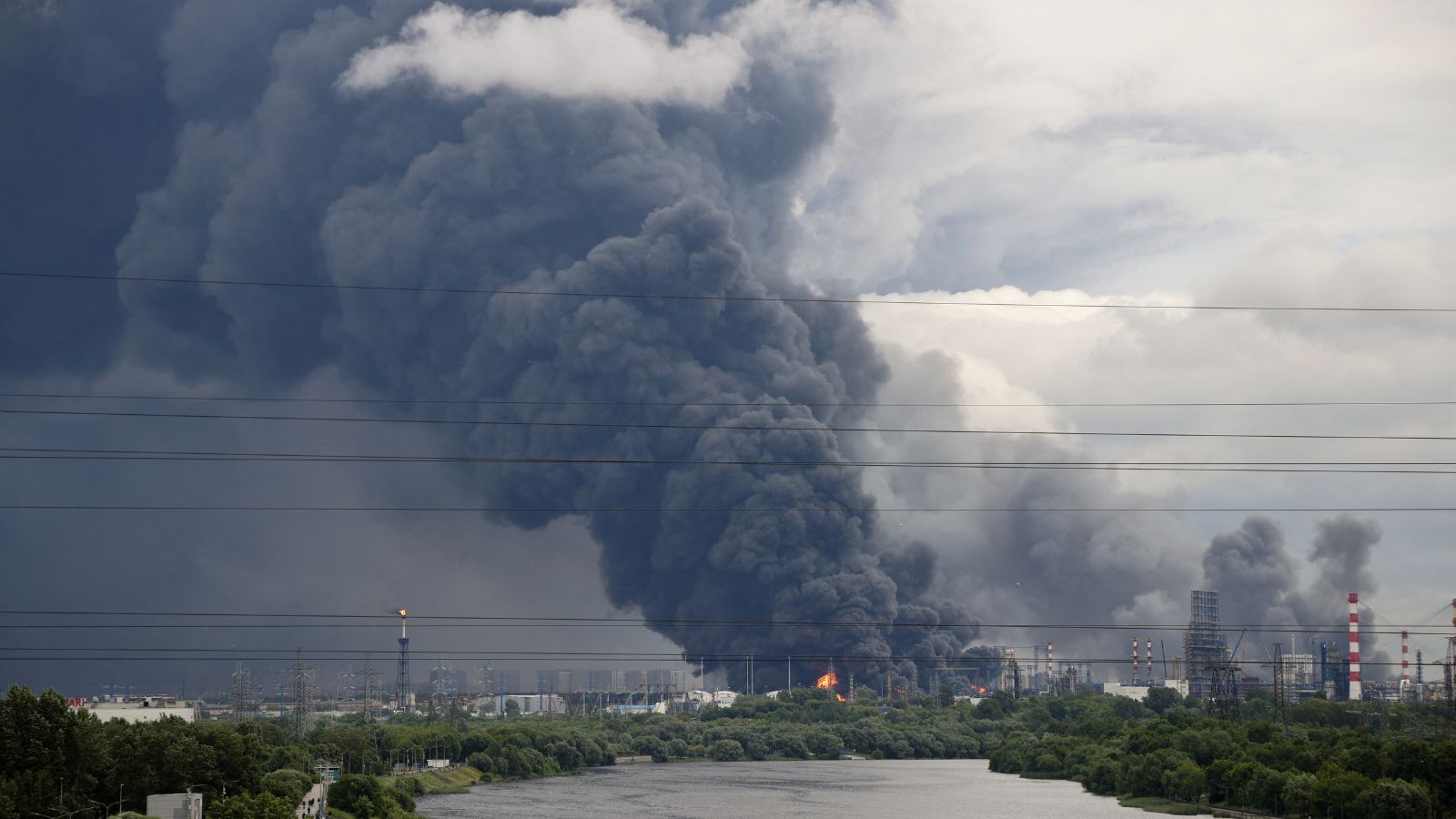
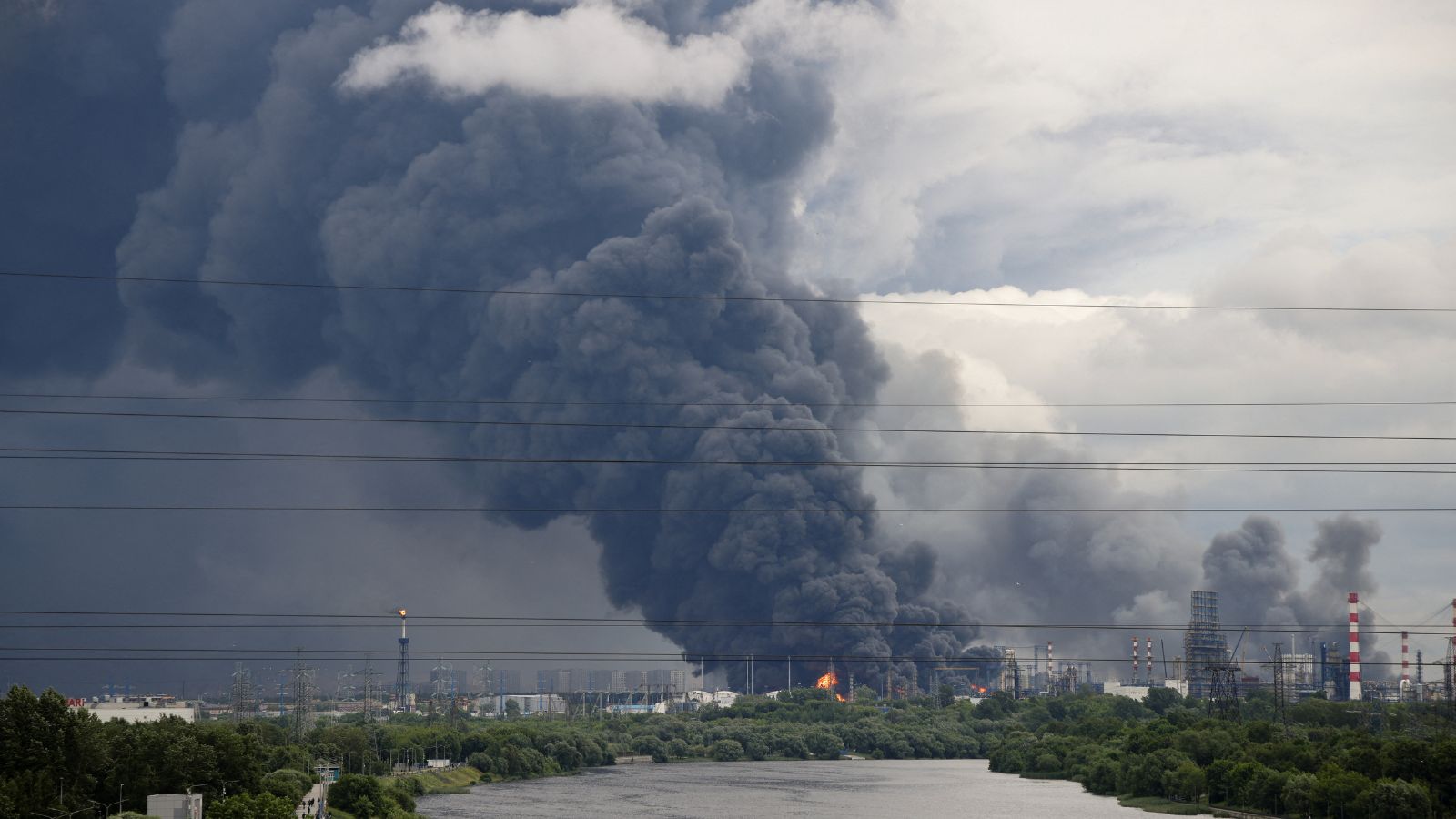
Russia said it intercepted 660 Ukrainian drones overnight across 12 regions, annexed Crimea and the Black and Azov Seas in what appears to be one of the largest drone attacks on Russian territory since the full-scale invasion of Ukraine began more than four years ago, news agency Associated Press reported
The massive overnight barrage targeted multiple regions deep inside Russia, including areas south of Moscow, as Ukraine intensified its campaign against military logistics, energy infrastructure and industrial facilities that support Russia’s war effort. Russian officials said one woman was injured in the strikes, while reports from independent media suggested a major chemical plant caught fire, although those claims were not officially confirmed.
The attack comes as Ukraine expands its long-range drone campaign aimed at disrupting Russian fuel supplies, slowing military logistics and increasing the economic cost of the war. Analysts say Kyiv has increasingly shifted from targeting frontline positions to striking factories, refineries, transport routes and ammunition production facilities deep inside Russian territory.
Russia says 660 drones intercepted
Russia’s Defence Ministry said air defence systems destroyed or intercepted 660 Ukrainian drones overnight across 12 Russian regions, as well as over annexed Crimea and the Azov and Black Seas.
Russian state news agency TASS described it as the largest Ukrainian drone attack of the year, while AP noted it appeared to be among the biggest aerial assaults on Russian soil since Moscow launched its full-scale invasion of Ukraine in February 2022.
Story continues below this ad
Moscow Mayor Sergei Sobyanin said 47 drones were shot down while approaching the Russian capital, adding that no casualties or damage were reported inside Moscow.
Chemical plant reportedly targeted again
The heaviest reported damage occurred in Novomoskovsk, around 200 kilometres south of Moscow in the Tula region.
Regional governor Dmitry Milyaev said an industrial facility, electricity infrastructure and a private home were damaged, while one woman suffered injuries.
Russian independent outlet Astra and several Ukrainian Telegram channels reported that the Azot chemical plant caught fire after being struck. The facility has previously been identified by Ukrainian President Volodymyr Zelenskyy as an important supplier for Russia’s explosives industry. The plant, one of Russia’s largest producers of ammonia and nitrogen fertilisers, was also targeted earlier this month.
Story continues below this ad
The Associated Press said it could not independently verify reports of fires at the chemical plant or a nearby hydroelectric facility, and Russian authorities have not officially confirmed those claims.
Ukraine intensifies campaign against Russian logistics
The latest assault reflects Ukraine’s growing strategy of targeting the infrastructure that sustains Russia’s military rather than focusing solely on battlefield positions.
Kyiv has dramatically expanded long-range drone operations this year, repeatedly striking oil refineries, fuel depots, ports, rail infrastructure and industrial facilities across Russia. In several cases, Ukrainian forces have launched repeat attacks against the same facilities within days or weeks, complicating repair efforts and disrupting production.
Earlier this week, Ukrainian drone strikes reportedly caused power outages in Sevastopol in Russian-controlled Crimea and damaged multiple energy facilities across central and southern Russia.
Story continues below this ad
Military analysts say the campaign is designed to strain Russian logistics, reduce fuel supplies and force Moscow to divert air-defence assets away from the front lines.
War of attrition expands beyond the battlefield
The growing use of long-range drones by both sides underscores how the conflict has increasingly become a war of logistics and industrial capacity.
While Russia continues missile and drone strikes against Ukrainian cities and infrastructure, Ukraine has responded by extending the battlefield hundreds of kilometres into Russian territory, targeting facilities that support Moscow’s military operations.
The latest wave of attacks suggests Kyiv intends to maintain pressure on Russia’s industrial and logistical network even as fighting continues along the front lines.
(With inputs from AP and Reuters)