



Sheikh Hasina says she’ll return from India, Bangladesh says she’ll be arrested

4 min readUpdated: Jul 30, 2026 09:53 PM IST
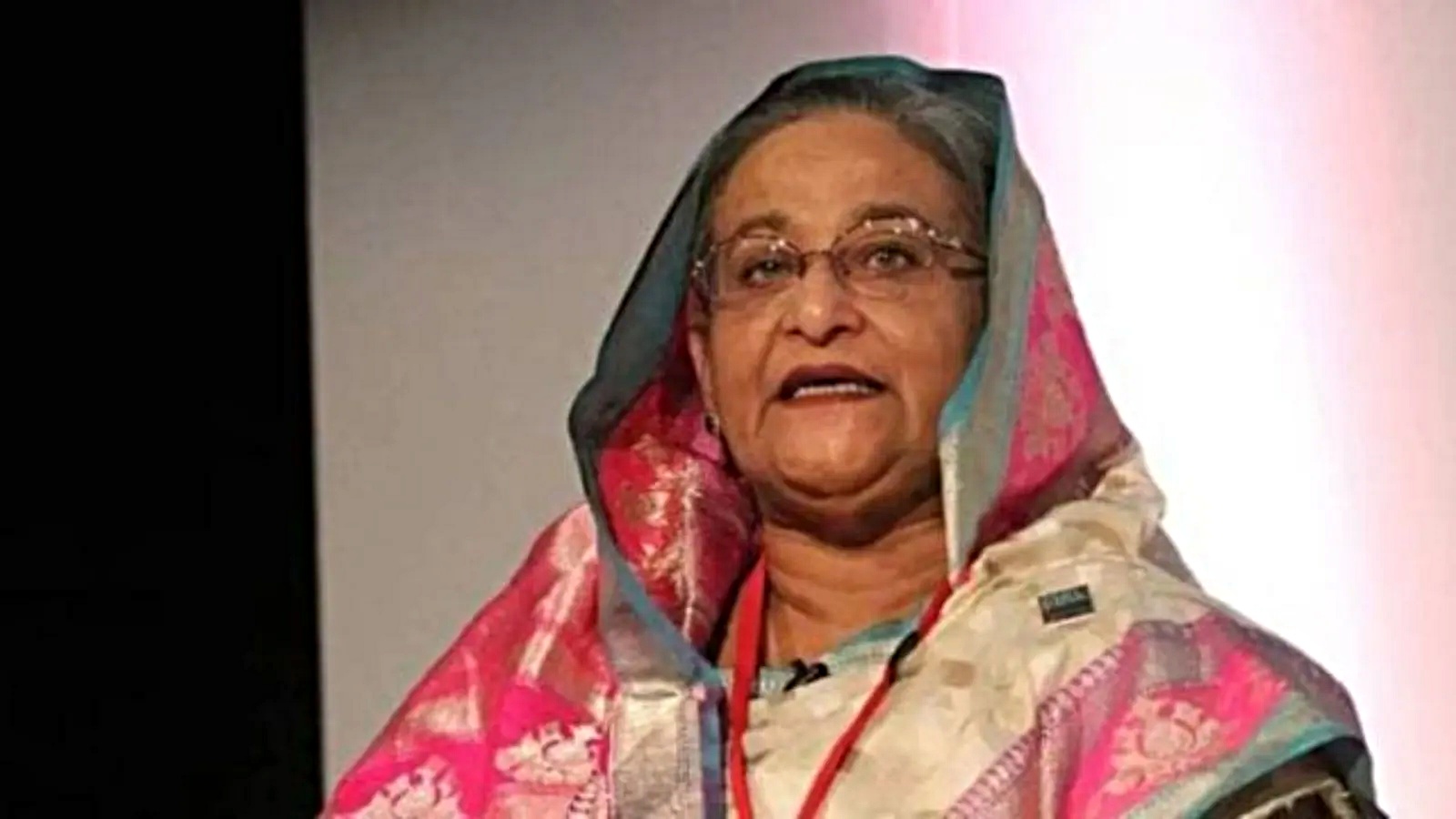
Bangladesh’s law minister has said deposed prime minister Sheikh Hasina is likely to be arrested immediately if she returns from India, a day after the former premier said she was determined to return to her country by December despite fearing for her life.
Law Minister M Asaduzzaman said 78-year-old Hasina had the right to return as a Bangladeshi citizen but insisted that “the law will take its own course and we will do nothing violating the law”.
“Despite being a death penalty convict, being a Bangladeshi citizen, if she intends to surrender showing respect to the law by returning home, perhaps she will be arrested before she could do so,” the minister told reporters. “We will exercise the authority that the law has given us.”
Asked how Hasina could return after her passport was revoked by the interim government that succeeded her, Asaduzzaman said: “It is her problem, not mine.”
“(But) whenever she will enter into our territory, I will enforce the authority that the law has reposed upon me,” he added.
The minister’s remarks came a day after Hasina told news agency AFP that she intended to return to Bangladesh by December despite concerns over her safety. Earlier this month, interviews with the former prime minister also suggested she had been discussing a possible return with Awami League colleagues by the end of this year.
Hasina fled to India in August 2024
Hasina fled to India after her government was toppled in August 2024 following violent student-led street protests in Bangladesh. An interim government that took charge after her ouster later disbanded her Awami League under an executive order issued under an anti-terror law.
Story continues below this ad
In November 2025, Hasina was sentenced to death in absentia after being convicted of crimes against humanity by Bangladesh’s International Crimes Tribunal over the violent crackdown on the 2024 student-led protests. She has dismissed the charges as “politically motivated”.
The tribunal was originally formed in 2010 to try collaborators of Pakistani troops during the 1971 Liberation War. The Yunus regime later amended its mandate to try the deposed premier by appointing a chief prosecutor who had appeared as the key defence counsel in the collaborators’ cases. International human rights watchdogs, including Amnesty International and Human Rights Watch, have described the tribunal’s proceedings as “flawed”, while the UN human rights office has questioned their fairness.
Bangladesh continues extradition push
Earlier this year, elections were held in Bangladesh, following which the Bangladesh Nationalist Party came to power and Tarique Rahman became prime minister. Bangladesh has since been seeking Hasina’s extradition from India, while New Delhi has acknowledged the request and said it remains under legal consideration.
Hasina vows to return
In an opinion piece for The Indian Express in June on the occasion of the 77th anniversary of the Awami League, Hasina reaffirmed her intention to return to Bangladesh and restore democracy.
Story continues below this ad
“My absence is not silence. Even though I am away, I am with the people of Bangladesh,” she wrote, adding that “the struggle to restore democracy in Bangladesh continues through diplomatic, political, and legal channels, and by building international public opinion”.
Hasina accused the current Bangladesh Nationalist Party government of continuing what she described as political repression that began under the interim administration led by Muhammad Yunus. She alleged that Awami League leaders and supporters were facing false cases, arrests, harassment and political persecution, while maintaining that the party remained deeply rooted among the Bangladeshi people.
“I will return to the struggle to establish the rights of the people of Bangladesh. I will return with the commitment to restore democracy, the rule of law, the people’s voting rights, and the spirit of the liberation war,” she wrote.
“I will return through the strength of the people. The people of Bangladesh will restore their democracy, their rights, and their dignity.”
Story continues below this ad
The former prime minister also defended the Awami League’s historical role in Bangladesh’s independence and development, saying the party had endured repeated bans, repression and political violence during its 77-year history but would “rise again” with the support of the people.
Stay updated with the latest – Click here to follow us on Instagram
