






SpaceX IPO makes Musk first trillionaire; SPCX hits $2.1 trillion valuation: What it means for India

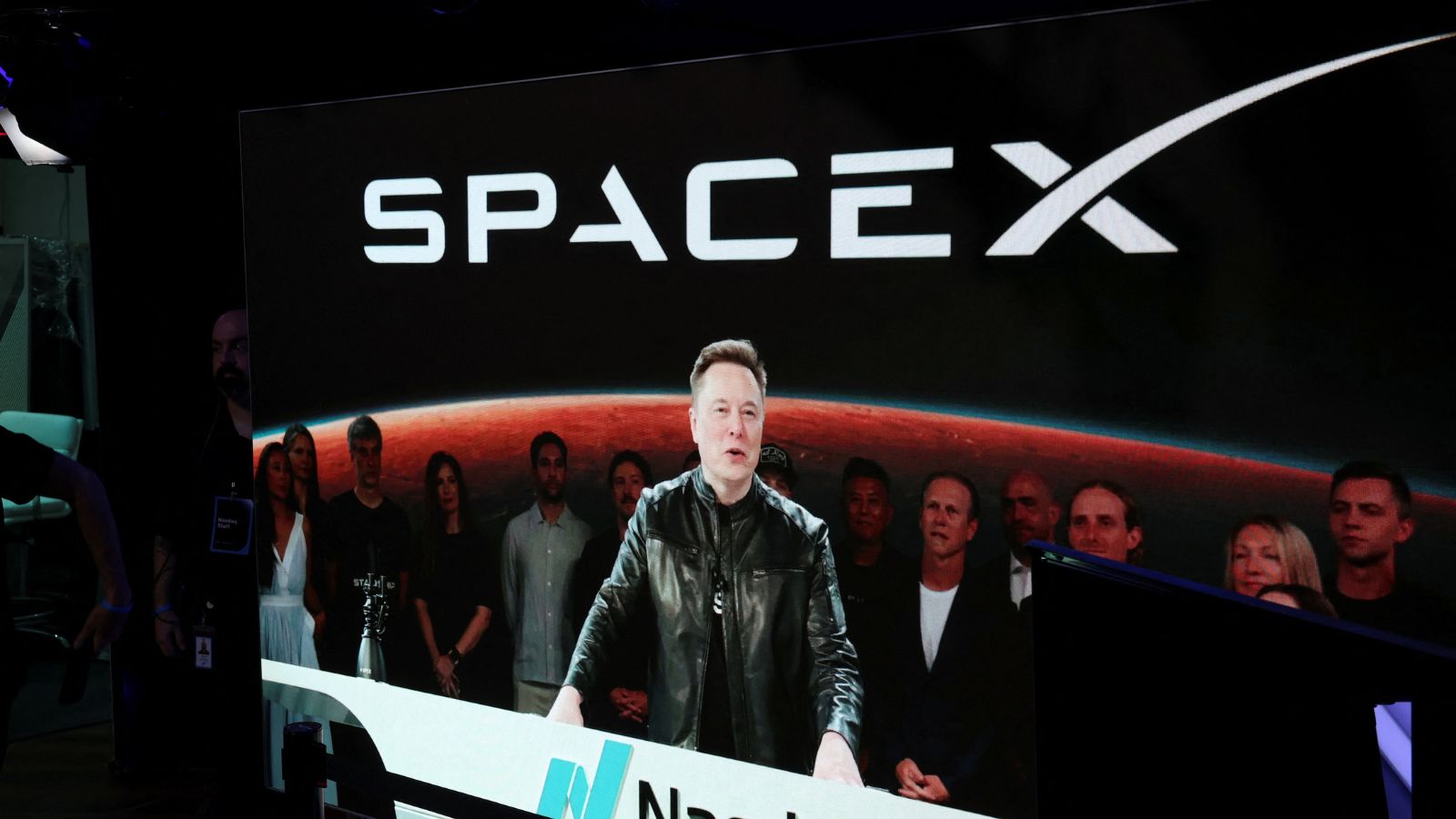
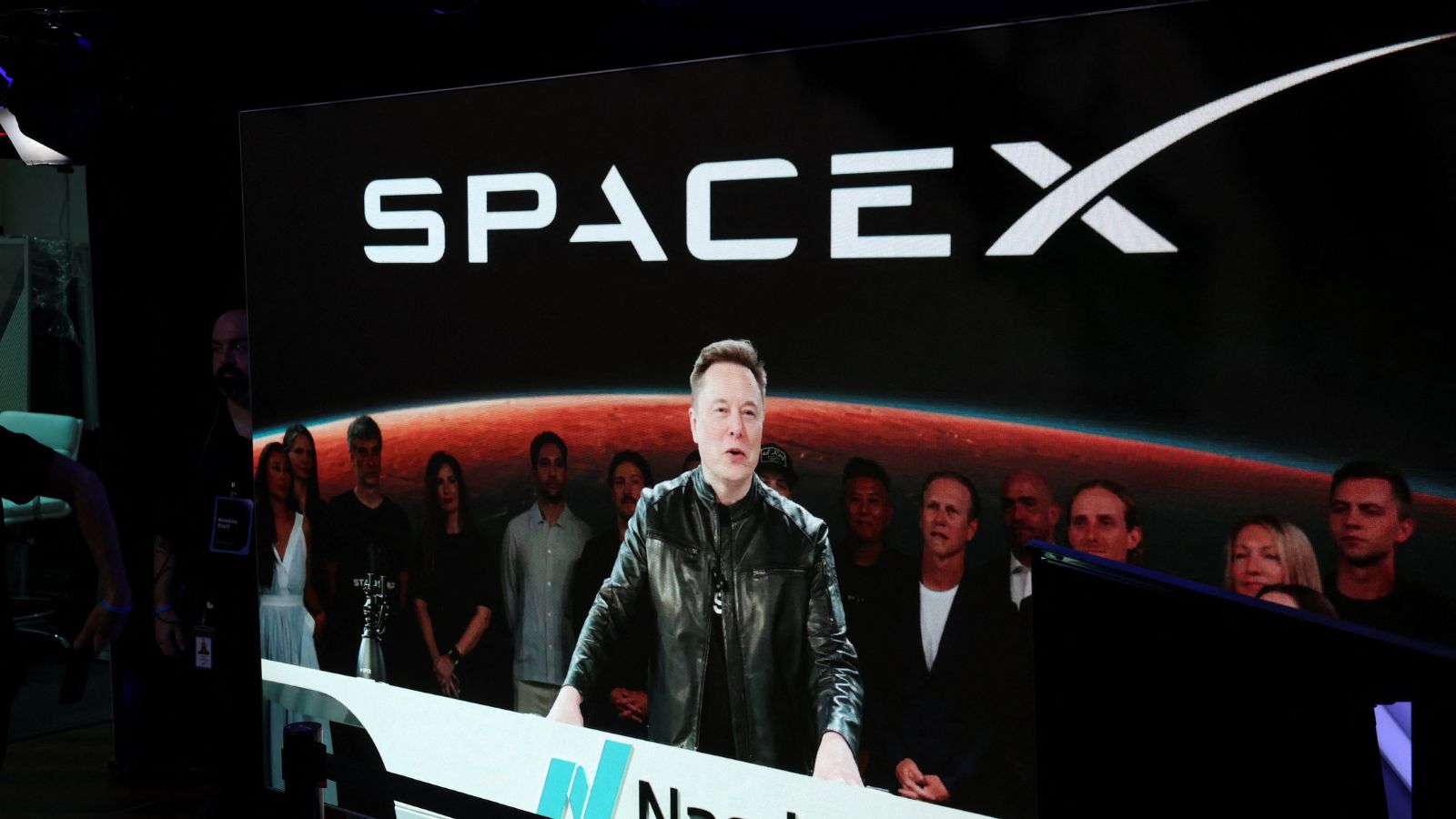
Elon Musk has become the world’s first trillionaire after SpaceX’s record-breaking stock market debut pushed the rocket maker’s valuation past $2 trillion, underscoring Wall Street’s willingness to reward ambitious technology bets despite limited profitability.
The long-anticipated initial public offering (IPO) marked a historic moment for both the aerospace industry and global markets, nearly 25 years after SpaceX was founded as a private company.
How did SpaceX’s IPO unfold?
SpaceX began trading at $150 a share, significantly above its pre-open price, and quickly rose to as high as $176 before closing at around $160, a jump of more than 19 per cent.
The strong debut pushed the company’s valuation to roughly $2.1 trillion, making it one of the most valuable firms in the world.
At Nasdaq in New York, executives rang the opening bell as “Rocket Man” played, underscoring the symbolic moment for the company and the wider space industry.
Story continues below this ad
“It is certainly hard to believe that a little company that started in a warehouse… is now going public with the largest IPO ever,” Musk said at SpaceX headquarters.
Musk merged SpaceX with xAI in February in a deal that valued the combined entity at $1.25 trillion. Musk’s companies have a number of financial overlaps, including Tesla’s ownership of 18.99 million SpaceX shares, valued at $2.56 billion at the IPO price.
Why did this make Elon Musk a trillionaire?
Musk’s vast stake in SpaceX, alongside his holdings in Tesla and other ventures, meant that the surge in share price dramatically boosted his net worth.
According to estimates cited by the BBC and Bloomberg, his wealth crossed $1 trillion, reaching around $1.1 trillion by the end of trading.
Story continues below this ad
Musk’s fortune is largely tied to stock holdings rather than cash, meaning it fluctuates with market sentiment.
Just a few years ago, in 2020, Musk’s net worth stood at about $28 billion. Since then, it has surged alongside the rising valuations of Tesla and SpaceX, despite periods of volatility linked to tech market downturns and political developments.
Can Indian Investors Buy SpaceX (SPCX) Shares?
- Cost per share: At $150 and ₹95.6 per dollar, 1 SpaceX share ≈ ₹14,340.
- How much you can invest: RBI lets Indian residents send up to $250,000 per year abroad for stocks = around ₹2.4 crore per year.
- Fractional shares: Can’t afford 1 full share? Many apps like INDmoney, Vested, Groww let you buy small parts of a share.
What does ‘one trillion dollars’ actually mean?
The scale of Musk’s wealth is difficult to comprehend. One trillion dollars is:
- 1,000 times one billion
- More than the GDP of most countries
- Larger than the annual budgets of many governments
Reports note that only a small fraction of Musk’s wealth is held in cash, with most tied up in company shares and assets.
Story continues below this ad
Why is SpaceX going public now?
Musk has said the IPO is aimed at raising capital to fund ambitious long-term goals, including space exploration and building human settlements beyond Earth.
“Our mission is to make life multiplanetary… and extend the light of consciousness to the stars,” the company said in its investor prospectus.
The listing also comes amid a broader wave of expected IPOs in the artificial intelligence sector, with major firms preparing to enter public markets at high valuations.
How strong is SpaceX financially?
Despite its massive valuation, SpaceX is not yet profitable. The company reported revenue of about $18.7bn last year, alongside an operating loss of $4.3bn.
Story continues below this ad
This highlights a key contrast with established tech giants, which generate significantly higher revenues and profits.
Still, investor enthusiasm reflects confidence in SpaceX’s long-term potential — from satellite internet services like Starlink to AI ventures and rocket technology.
What does this say about global wealth trends?
Musk’s rise reflects a broader shift in global wealth, with technology entrepreneurs dominating the ranks of the world’s richest individuals.
A decade ago, only a few tech figures featured among the top 10 richest people. Today, they make up the majority driven by rapid growth in AI, space technology and digital platforms.
While the IPO marks a milestone, questions remain about sustainability:
- Can SpaceX turn profits at scale?
- Will investor enthusiasm hold?
For now, the market debut has cemented Musk’s place in financial history and signalled growing investor appetite for high-risk, high-vision technology companies.
(With inputs from agencies)