

5 min readAug 2, 2026 08:00 AM IST
– By Dr Wayne Lombard
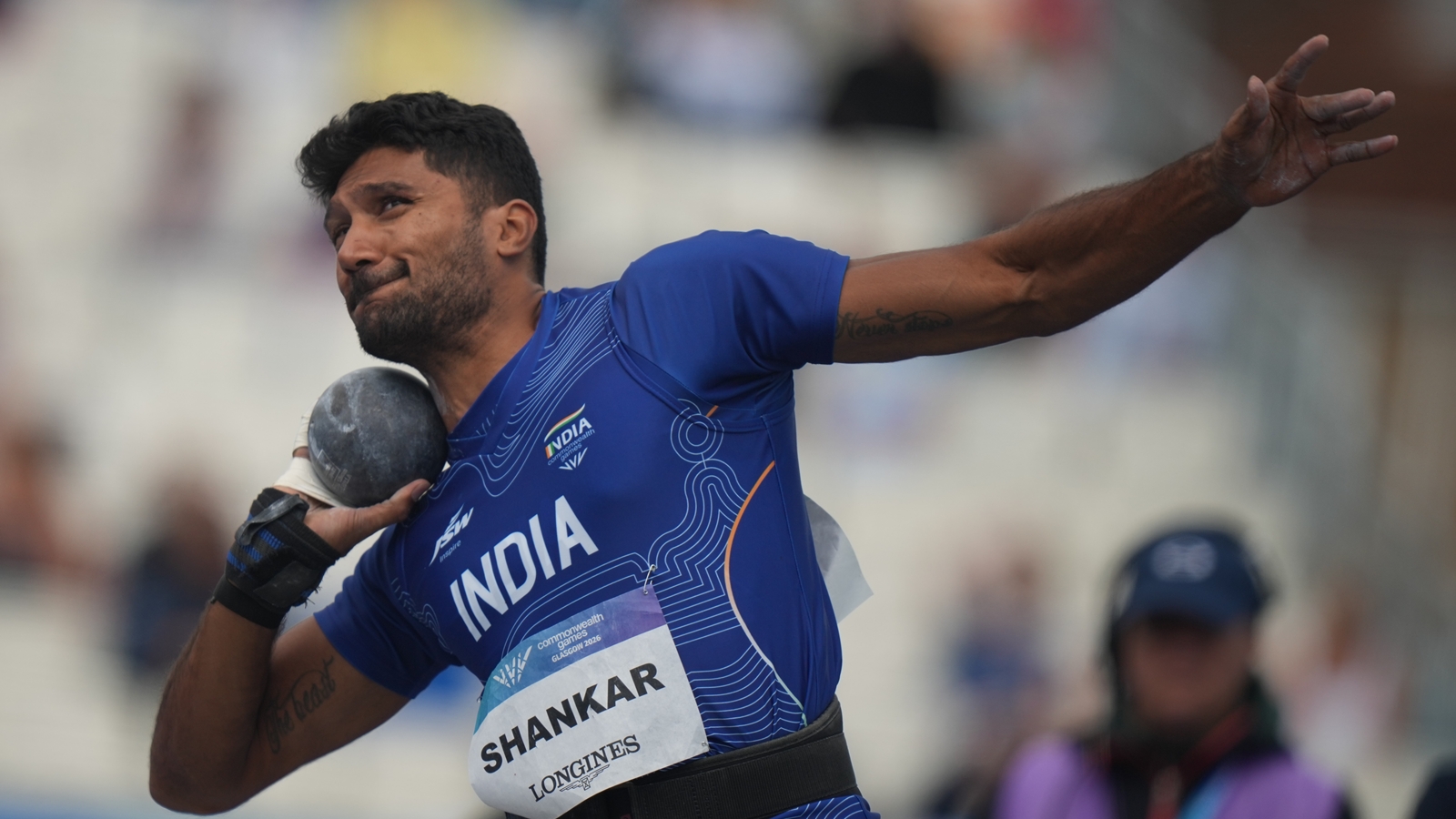
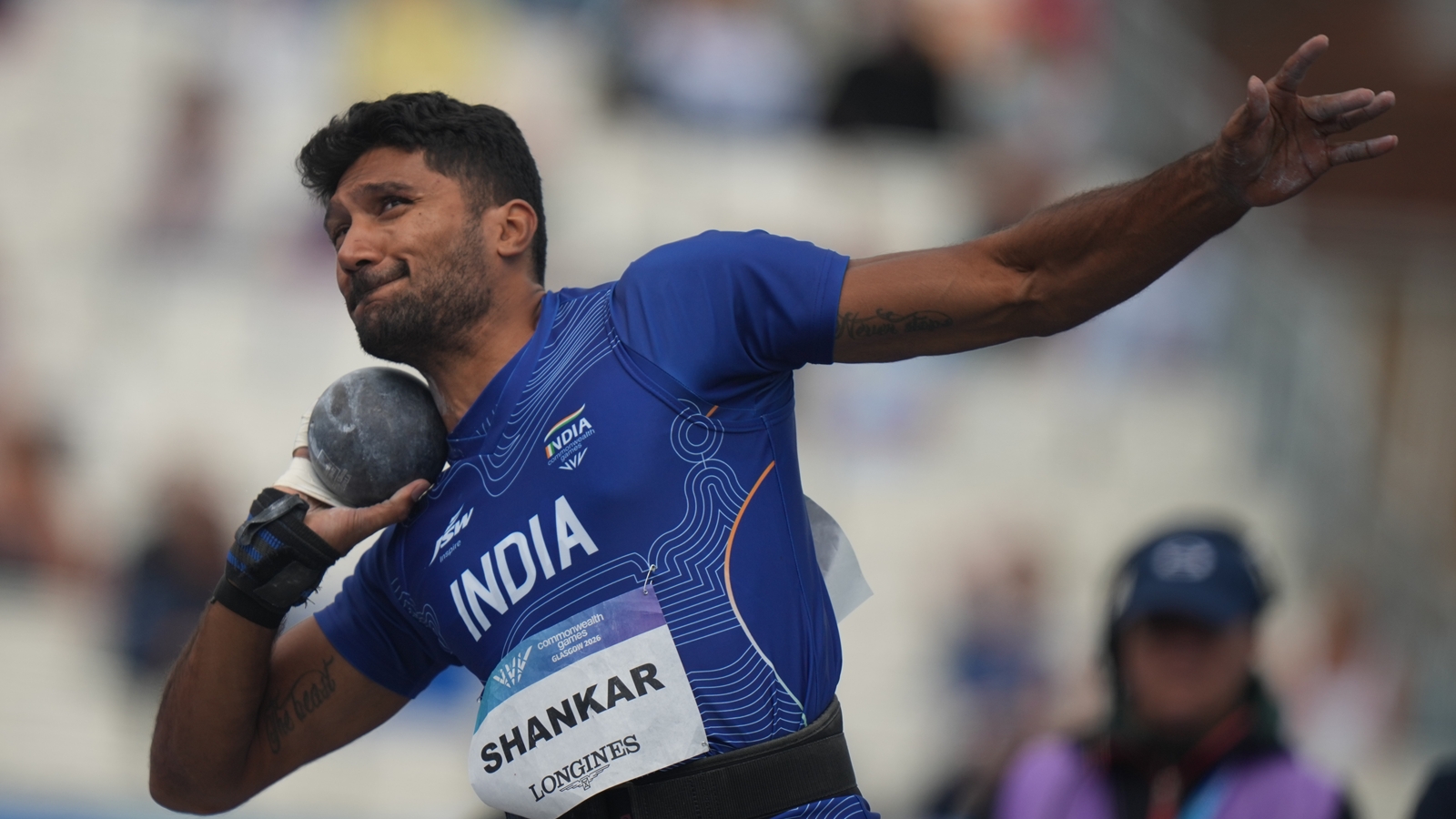
I travel with Tejaswin Shankar for the majority of his decathlons. At the Commonwealth Games, we knew it would be a challenge for him to do both the high jump and the decathlon.
The flare-up
Tejaswin had this tendon issue for quite some time but we had been able to manage it on most occasions.
The flare-up occurred in the warm-up before the high jump, and he came to me on the side and mentioned it. We tried a few things to see if it could settle down but it didn’t get better.
It became very sore by the time of his first jump. The good thing is that TJ knows his body well and if he hadn’t pulled out, it would have been very difficult for him to recover.
Was there any doubt that he would be able to participate in the decathlon? For sure, there was doubt. There was doubt right up until he was on the starting blocks for the 100m.
The recovery
After my conversation with Dr Dinshaw Pardiwala, I was relieved. He said there wasn’t a significant change in the tendon structures. That’s when I knew there was a viable chance of him competing, if we attacked the rehab and recovery as aggressively as possible.
Story continues below this ad
Doc prescribed a few anti-inflammatories, which he took up until the first day of the competition, which helped with pain sensation and exactly what we were going to do with the installation of the tendon.
We wanted to get the knee as quiet as possible. So, in the first 24 hours, the main focus was keeping the knee quiet. So, between the anti-inflammatories, there was a lot of icing and rehab.
Instead of one big rehab session, we did two or three smaller rehab sessions throughout the day, just to stimulate that healing process of the tendon. We did some of the isometric-type work. We didn’t do eccentric work as it could have caused him more discomfort.
We needed some alternative modalities and that’s when I googled to locate a Hyperbaric Chamber that allowed us to put in more oxygen to recover and promote healing.
Story continues below this ad
After that, we used focal red-light therapy that allowed us to stimulate that exact spot where he was feeling pain. We also did some magnetic energy therapy, which sends magnetic pulses through the entire joint and targets any inflammation within that joint.
With 24 hours gone, we did basic upper-body strength sessions with power movements. It helped us stimulate his central nervous system and keep it primed. We repeated the modalities for the first day as we had got a good response.
Decathlon Day 1 and 2
On the morning of the event, he felt really good. He did his warm-up in the hotel gym. While leaning on the starting blocks, he felt confident.
I have known TJ for 10 years now and know how his body responds. So, I knew that he would start the event well.
Story continues below this ad
Tejaswin started slow off the blocks in 100m but then did a massive jump in the second event which gave him a lot of confidence. The tendon didn’t flare up during the long jump or the high jump. He looked like he was in pain but eventually the pain subsided.
After he came back, we did the set routine for recoveries and he went off to sleep as it was necessary to get as much rest as possible.
When I met him in the morning, he said it felt like a normal day two and that was the best response I could get as it meant there was no sign of tendon inflammation or flare.
We went for a hot bath rather than cold because I felt that it would be better for the tendon as it was chilly outside. He did some mobility and isometrics with me and looked good to go.
Story continues below this ad
The second day was much better than the first as his knee was responding and he looked more comfortable in the 110m hurdles than he looked in the 100m.
Mental resolve
When he came back after the injury, he was really emotional. He felt that he had let everyone down and I felt my role there was to just support him and let him express his emotions.
Once he was done with negative thoughts, I said that I am here to deal with all this and let me work on him. After we were done, it was all TJ.
For someone to go into an event knowing they’re only 80 percent and take it one step at a time, concentrating on each event without letting the pain and sensation of their tendon disrupt his performance, provides a complete picture of grit and resilience. That’s just who TJ is.
Story continues below this ad
Dr Wayne Lombard is a renowned strength and conditioning coach and works with elite Indian athletes. He talked to Pritish Raj.
