

Trump says Gulf leaders’ input weighed heavily in decision to hold off on ordering new Iran strikes

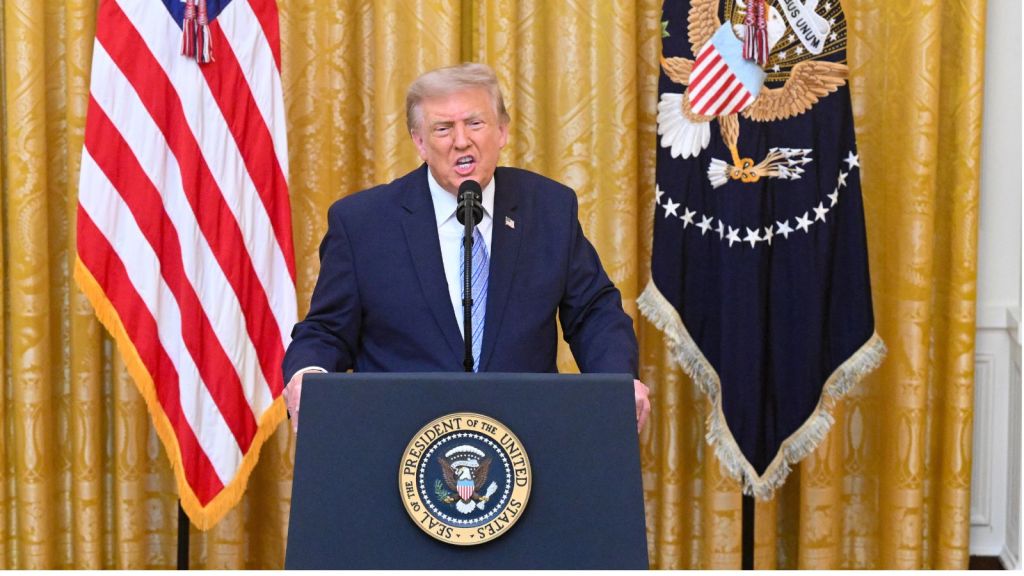
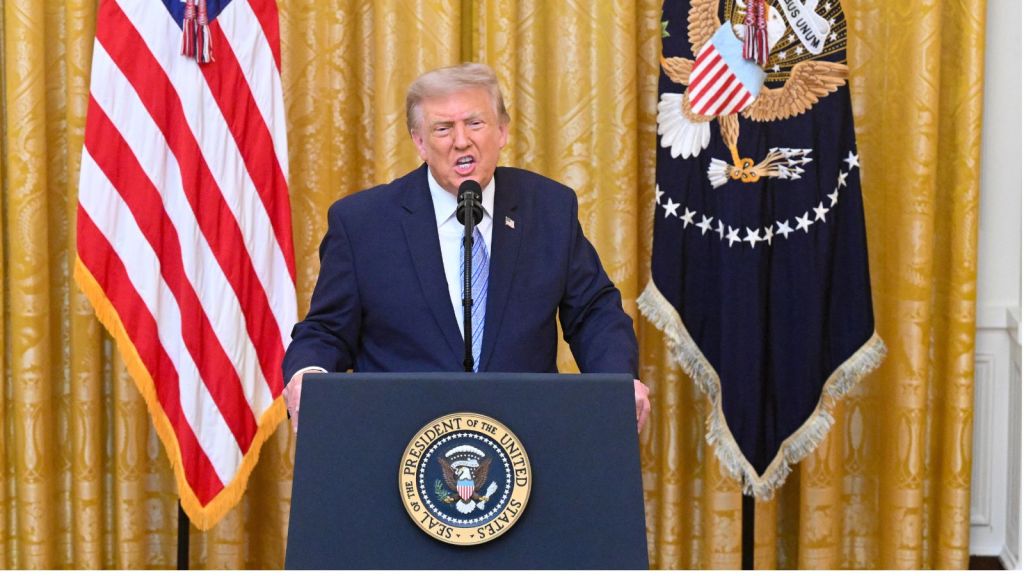 President Donald Trump speaks in the East Room of the White House. (Photo: AP)
 US President Donald Trump held off on new strikes against Iran after mediators made progress on a plan to reopen the Strait of Hormuz, and Gulf allies Qatar, Saudi Arabia and the UAE urged him to pursue dialogue instead, according to the Wall Street Journal.
What did Trump announce, and why?
Trump had said on Friday he planned fresh strikes on Iran, describing a plan for what he called the biggest attack since World War II. He reversed course on Sunday, telling reporters aboard Air Force One that Gulf leaders’ input, along with a request from unnamed Iranian officials, weighed heavily on his decision to scrap the plan.
Recounting his call with Saudi Crown Prince Mohammed bin Salman, Trump said he asked directly, “what would you rather do? Would you rather us do this or not?” He said the crown prince preferred a deal to an attack, since the outcome of strikes is unpredictable.
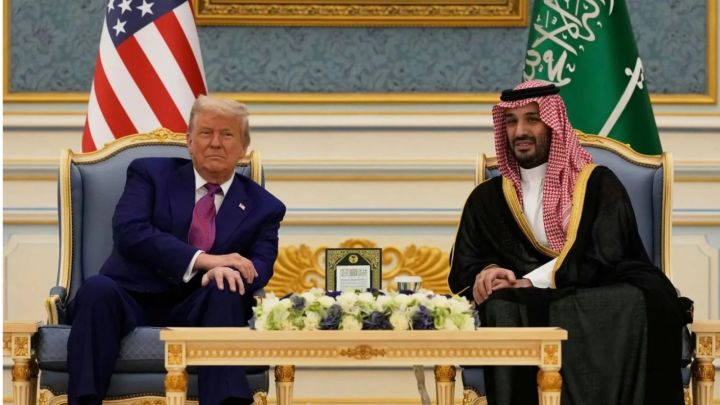
Trump added that going ahead would have been disastrous for Gulf states, none of whom wanted it, believing a deal was close. This marked another shift for Trump, who a day earlier had said he was losing faith in talks with Iran and threatened to hit it hard.
Why are Gulf states frustrated?
- Prolonged fighting has left them repeatedly exposed to Iranian attacks.
- They have asked the US for more air-defence interceptors.
- They want assurances the US will keep protecting them if the conflict continues.
- Many feel there is no clear US strategy behind the campaign.
What is happening diplomatically?
Qatari mediators presented Iran with a fresh proposal on Saturday to reopen the Strait of Hormuz, and Iranian diplomats responded positively, though it is unclear if Iran will accept it. A regional official told AP the proposal calls for the US and Iran to resume talks, reopen the strait, and halt regional attacks, including by Iran-backed militias in Iraq. In exchange, the US would end its naval blockade and let Iran resume oil exports. No deal has been finalised yet.
Story continues below this ad
Iran’s Foreign Ministry spokesperson Esmail Baghaei said the strait would not return to its pre-war state, and that talks with Oman on shipping through it were ongoing, though reopening it was not yet on the table. Iran’s defence minister said on X that the country was neither surprised nor passive, and remained alert to US threats. AP reported a struggle appears to be brewing within Iran’s leadership over whether to negotiate or rely on military pressure.
Where does Saudi Arabia stand?
The crown prince spoke to Trump on Saturday in what a source described to AP. He warned that renewed strikes could hurt the global economy if Iran retaliated against Gulf allies, and sought clarity on Washington’s plans.
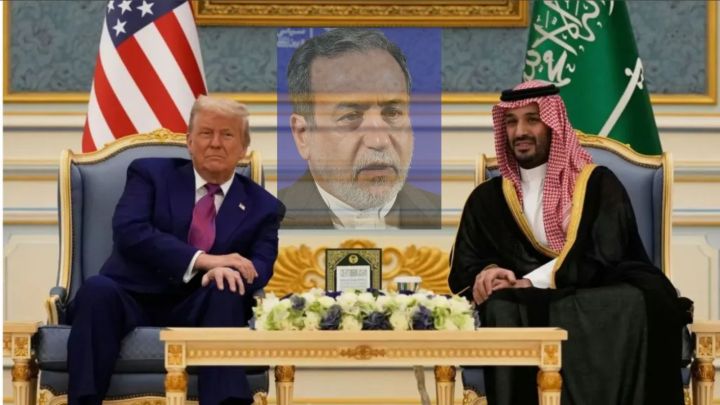
The source said Saudi Arabia, the UAE and Qatar are relatively well placed to defend against Iranian attacks, but Kuwait could be more exposed via Iran-backed militias in Iraq. Saudi Arabia has consistently favoured de-escalation, having earlier opposed a US push to reopen the strait militarily.
Do all Gulf states agree?
Senior officials said the UAE has urged Trump toward stronger action, arguing Iran’s Revolutionary Guard Corps would only compromise under greater pressure.
Story continues below this ad
Former Israeli intelligence official Danny Citrinowicz told the Wall Street Journal that Gulf states now hold more sway over Trump than Israeli Prime Minister Benjamin Netanyahu does, saying they “basically prefer stability over everything else.”
Polling cited by the Journal suggests the Iran war has grown unpopular in the US, with possible consequences for Republicans in November’s midterms. Iranian officials are said to be aware of this pressure and could exploit it if diplomacy fails.
Gulf backing for Trump’s approach remains conditional, shaped by their own security concerns, and their cooperation stays essential for US access to bases, airspace and intelligence in any long-term Iran strategy.
