


Two UAE oil tankers attacked in Strait of Hormuz as US warns Iran of more pressure

4 min readUpdated: Aug 14, 2026 08:04 PM IST
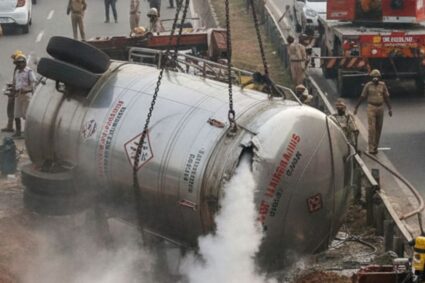
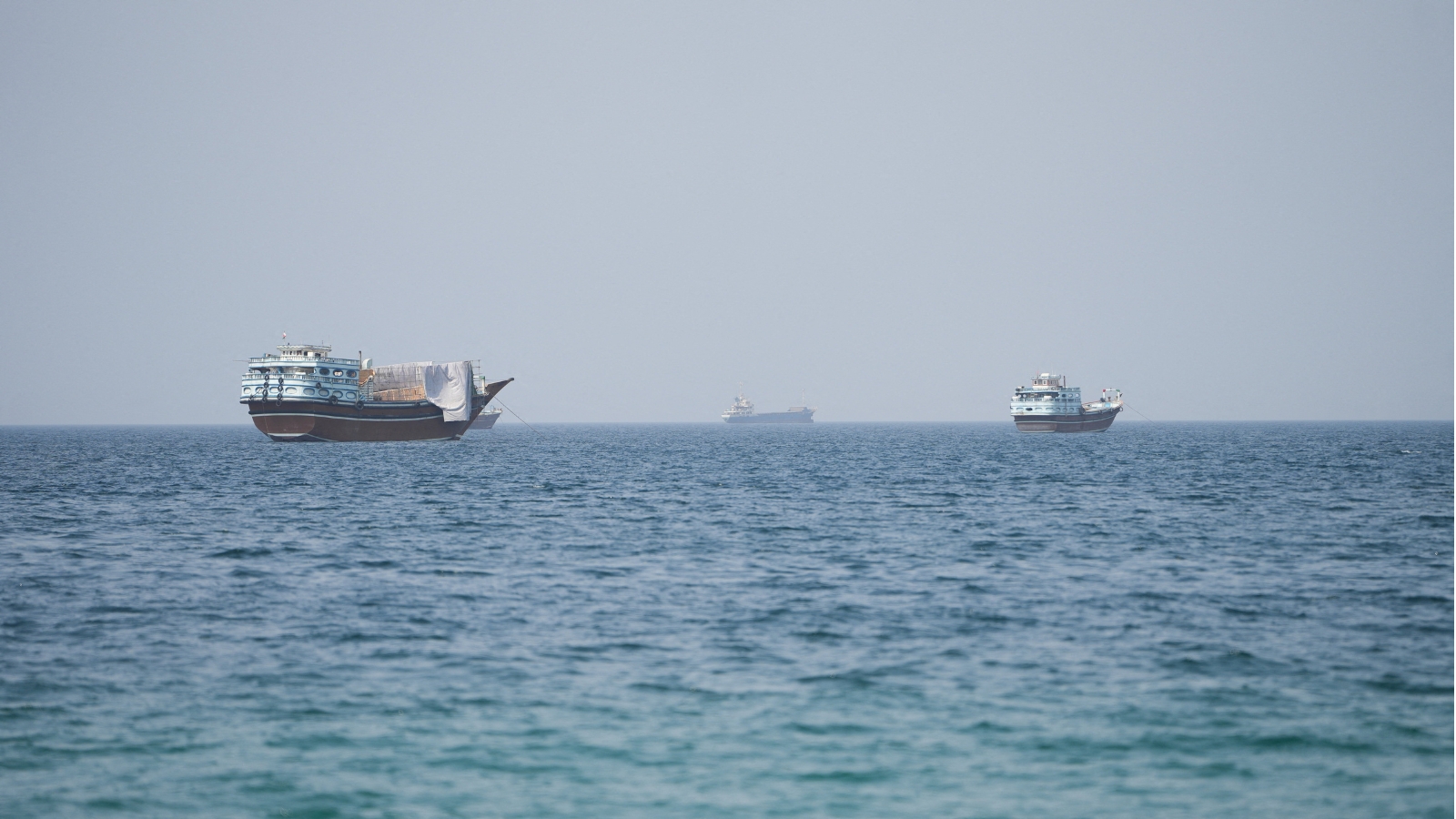
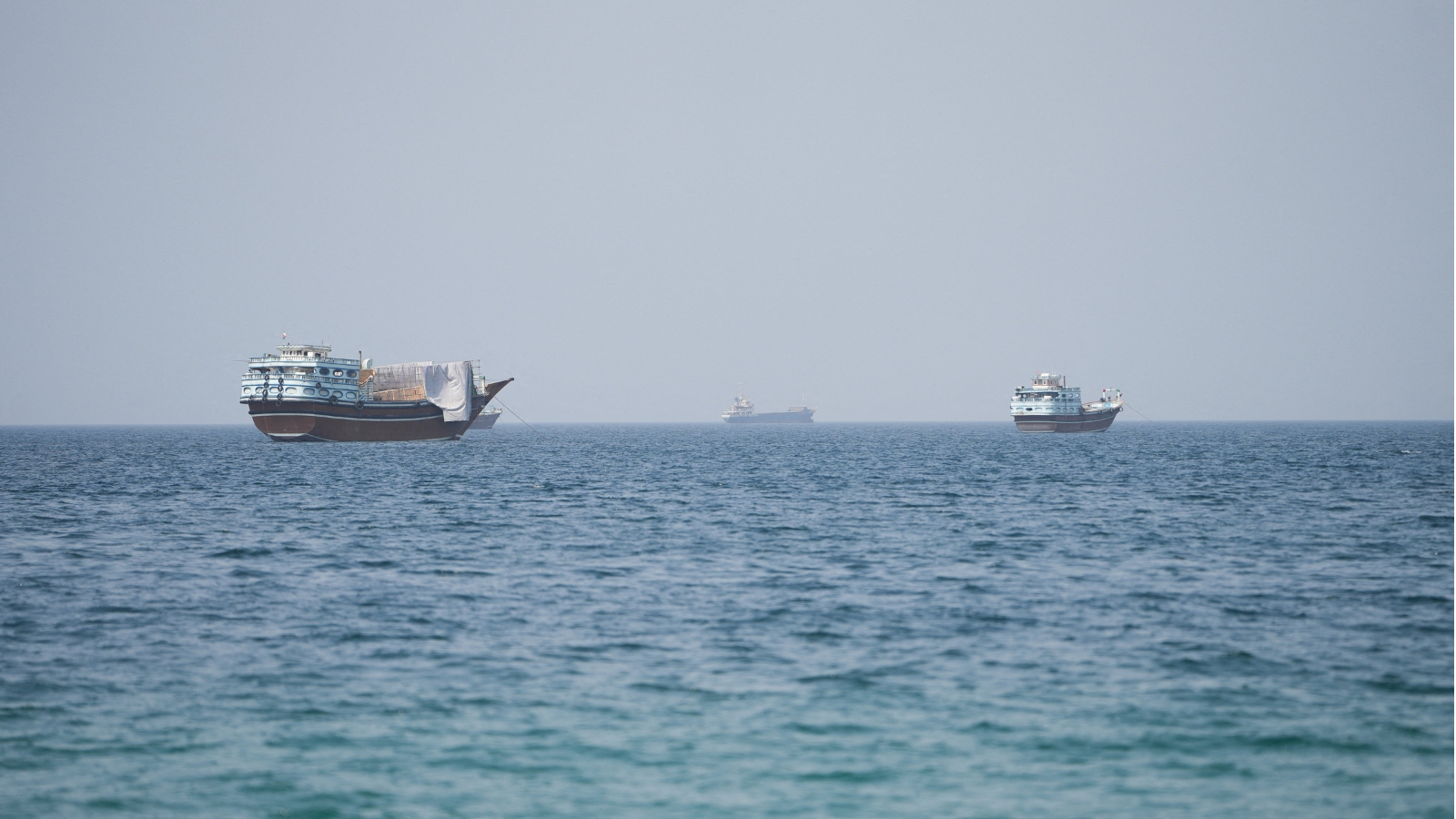
Two oil tankers operated by Abu Dhabi National Oil Company (ADNOC) were attacked while transiting the Strait of Hormuz on Thursday evening, escalating concerns over the safety of commercial shipping through the key energy route.
ADNOC said no one was injured and that the situation had been brought under control. The United Arab Emirates blamed Iran for the attacks, while Tehran did not immediately respond.
Separately, the United States said it could maintain its naval blockade of Iran indefinitely and announced plans to intensify economic pressure on the country.
What happened to the two tankers?
The United Kingdom Maritime Trade Operations (UKMTO) centre said two vessels suffered minor damage after being attacked by drones while transiting the Strait of Hormuz. It did not identify the vessels, but the incident appeared to involve the two ADNOC tankers, according to reports.
The UAE Foreign Ministry called the attacks a “flagrant violation” of the United Nations’ principles of freedom of navigation and accused Iran’s Revolutionary Guard Corps of using the strait for economic coercion.
“Targeting commercial shipping and using the Strait of Hormuz as a tool of economic coercion or blackmail represents acts of piracy by Iran’s Revolutionary Guard Corps, and constitutes a direct threat to the stability of the region, its peoples, and global energy security,” the ministry said.
Shipping traffic falls sharply
Transit through the Strait of Hormuz appeared to have nearly stopped on Friday following the latest attacks.
Story continues below this ad
According to ship-tracking company Kpler, nine vessels crossed the waterway on Thursday, up from five on Wednesday but below the August daily average of 12.
No crossings were visible early on Friday, although some ships may have travelled with their transponders switched off. Before the war began in February, more than 130 ships crossed the strait each day.
After the June ceasefire collapsed, Iran resumed attacks on ships it accused of crossing the strait without permission.
Tehran has said it will not reopen the strait until its conditions are met, including the removal of economic sanctions and the release of frozen Iranian assets.
Story continues below this ad
US threatens greater economic pressure
US Defence Secretary Pete Hegseth said the American military could maintain its naval presence in the region and enforce the blockade of Iran indefinitely.
“Indefinitely the United States Navy can maintain a blockade like that because we’ll rotate ships in and out, as we have, and we’ll continue to,” Hegseth told reporters during a visit to Panama.
US Treasury Secretary Scott Bessent said Washington planned to inflict further financial damage on Iran, with more measures expected to be announced next week.
“Watch this space for more announcements coming next week because we are going to apply measures like have never been seen in the history of economic isolation on a country,” Bessent told Newsmax.
Story continues below this ad
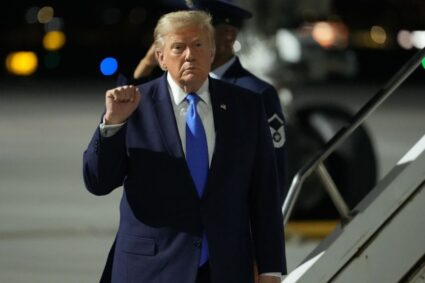
President Donald Trump has repeatedly threatened to escalate military strikes against Iran. Earlier this week, however, he suggested that he would rely on economic measures rather than military action.
Why it matters for India
India has also faced disruptions to LNG supplies from Qatar, with Petronet LNG saying this week that there was still no clarity on September shipments. The company said Qatar’s force majeure had affected 56 cargoes so far, while India has been looking to suppliers including the US, Oman, Nigeria and Angola to bridge the gap.
Stay updated with the latest – Click here to follow us on Instagram
